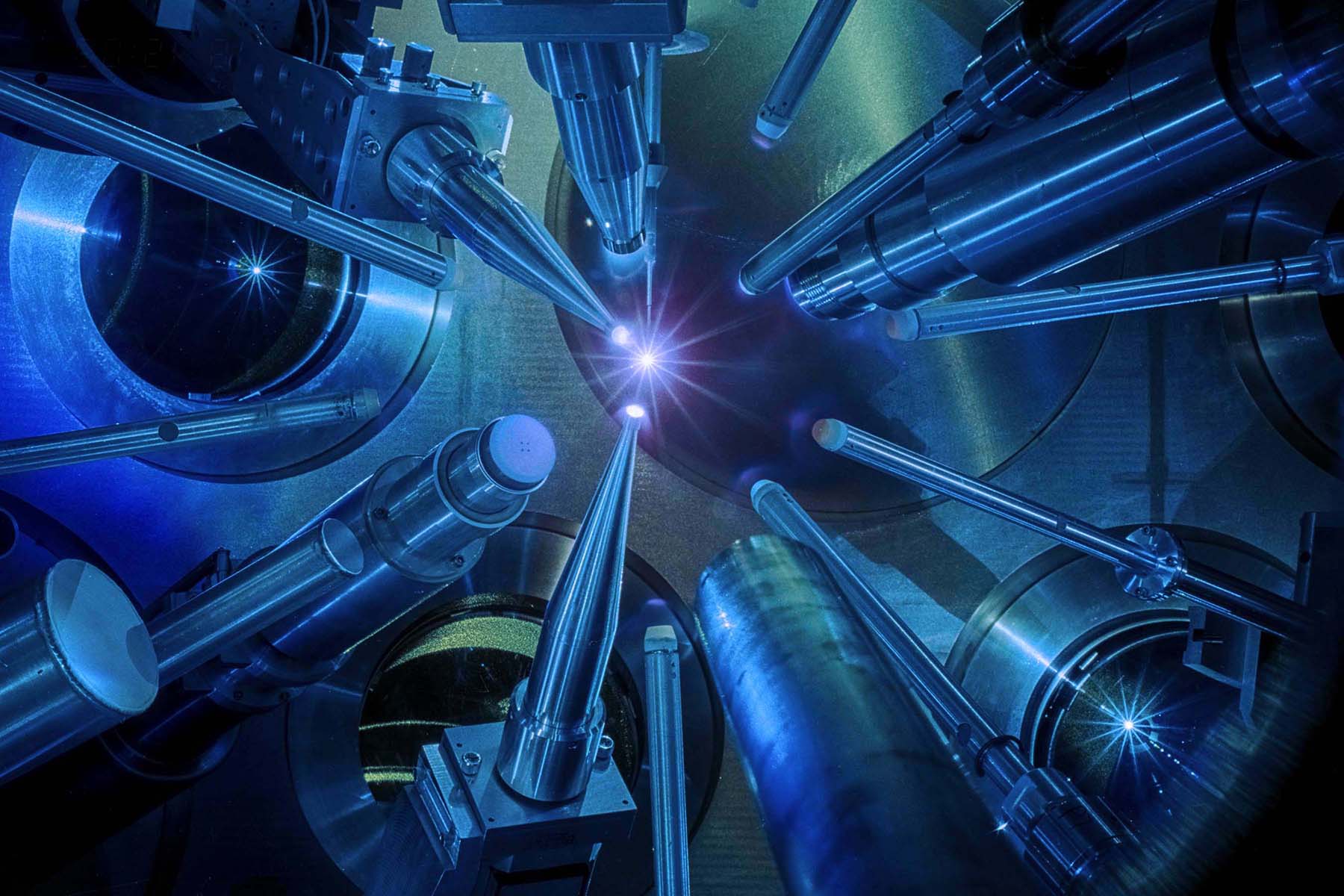
Supporting the Nation
Inertial confinement fusion research and high-energy-density physics experiments help ensure the safety, security, and effectiveness of the nation’s stockpile.

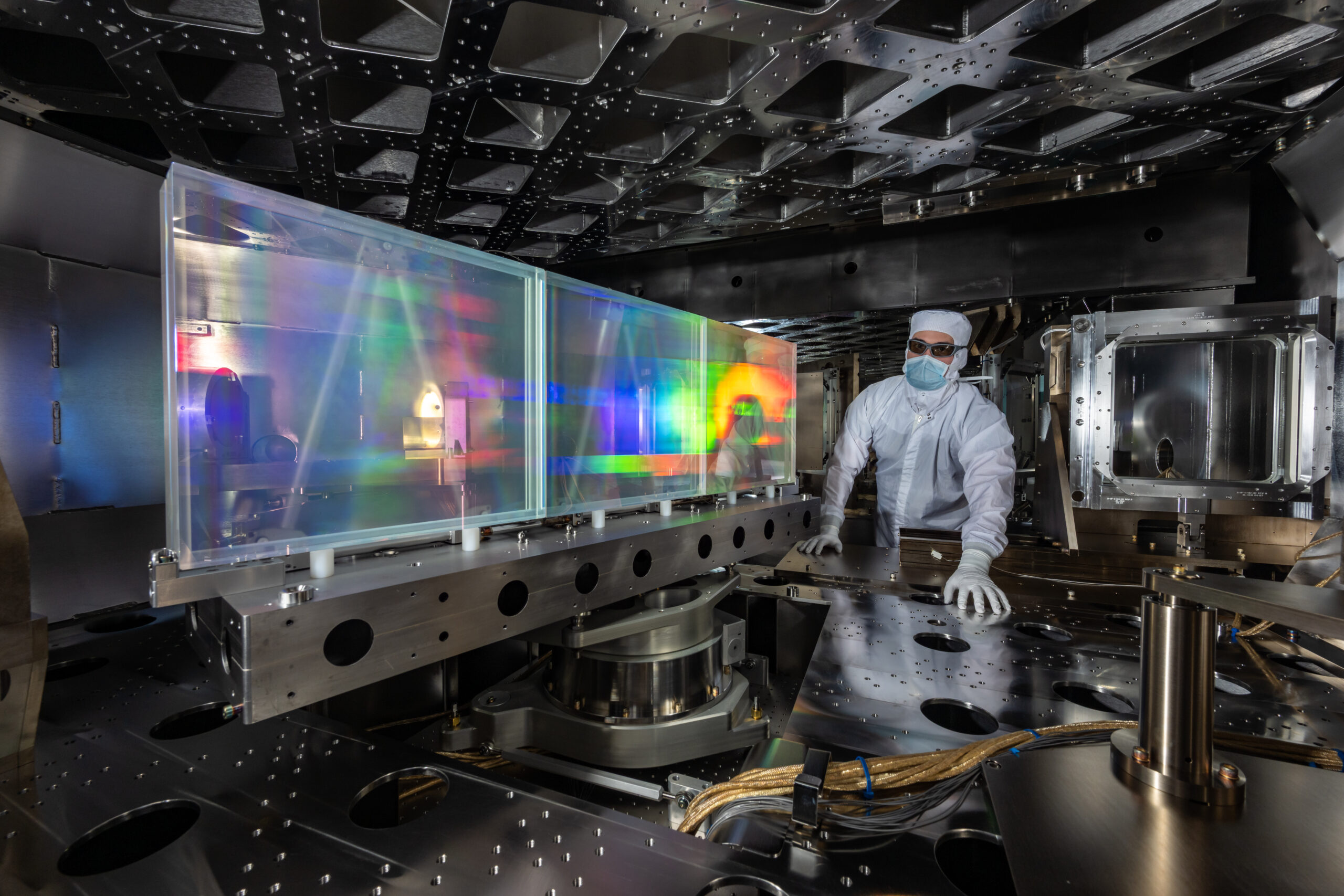
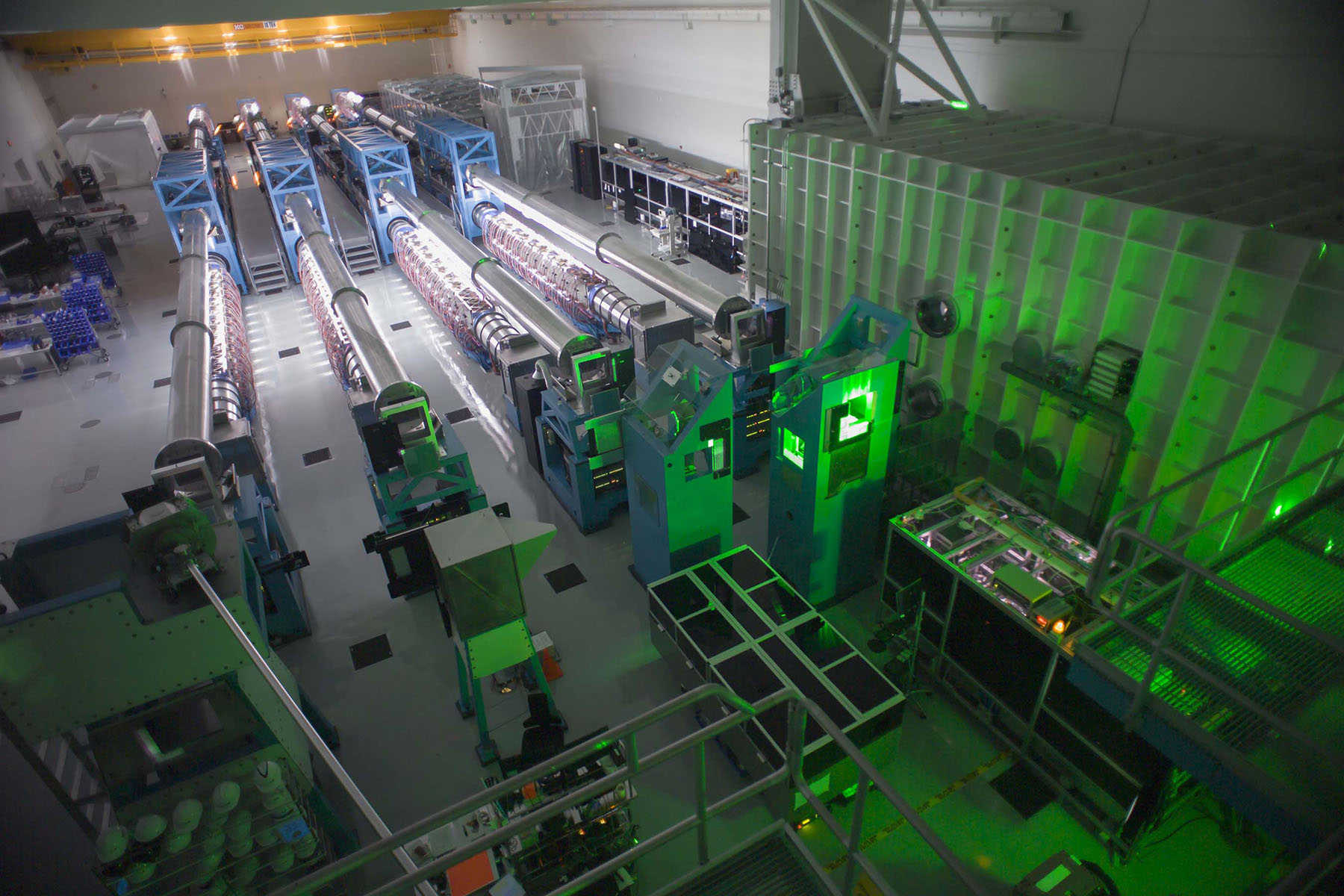
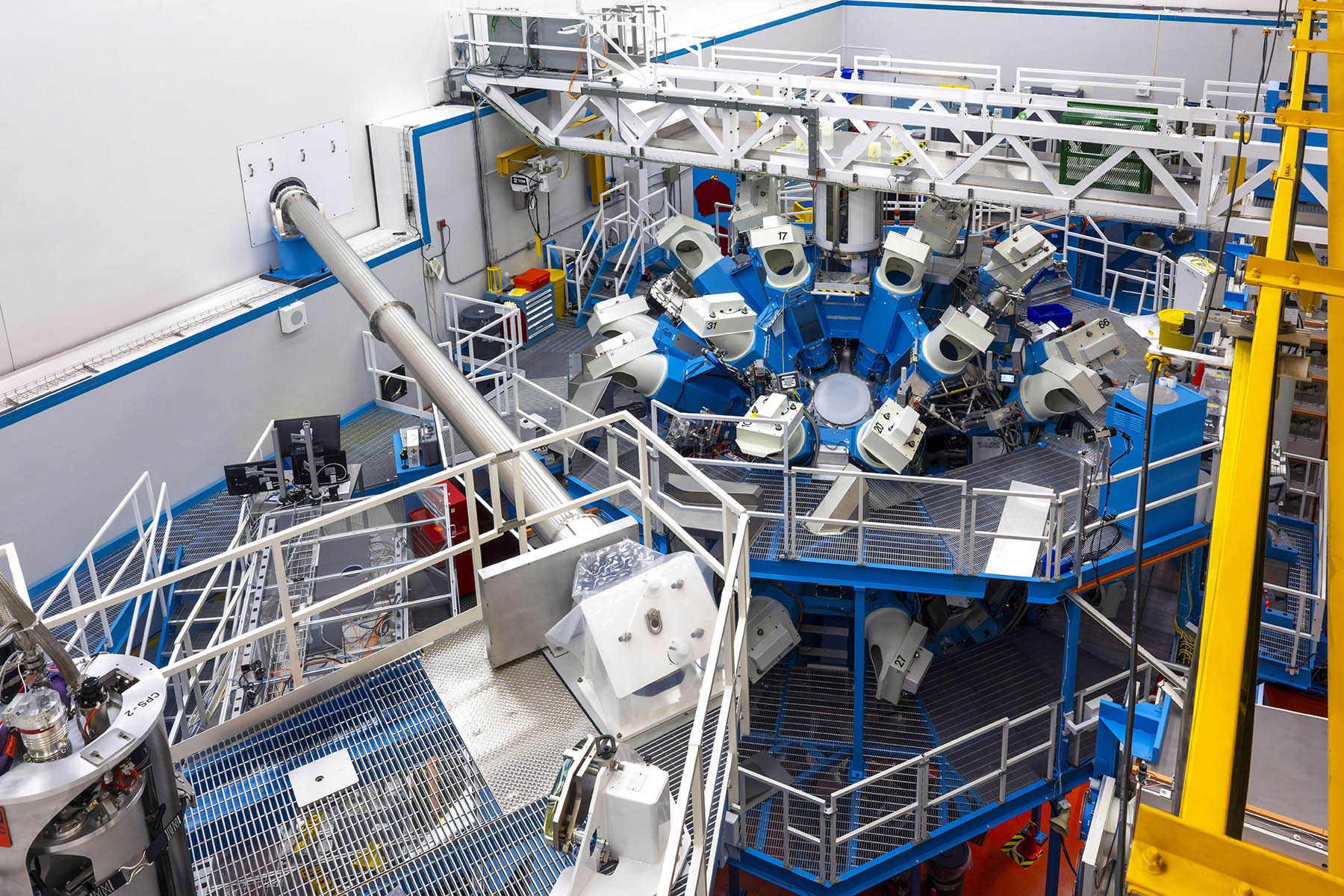
The Laboratory for Laser Energetics (LLE) at the University of Rochester is where the brightest minds come to unlock new frontiers in security, energy, and discovery. Powered by the world’s largest lasers in academia, top scientists, engineers, and students from leading universities, national labs, and private industry come here to further the fields of inertial confinement fusion, high-energy-density physics, and laser-based science and technology.
Inertial confinement fusion research and high-energy-density physics experiments help ensure the safety, security, and effectiveness of the nation’s stockpile.
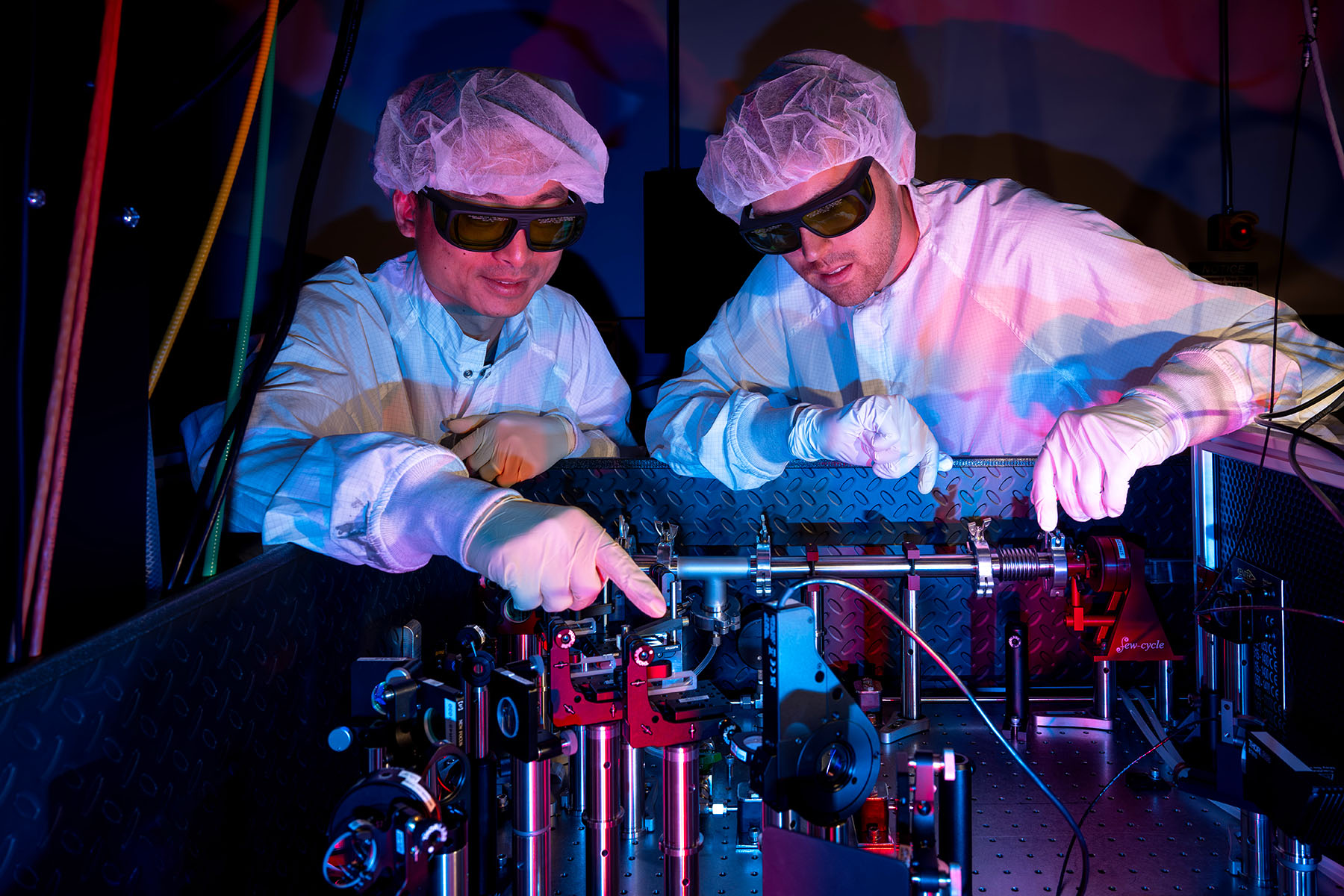
Laser science and engineering that ignites new possibilities for national security, energy independence, and fundamental research.
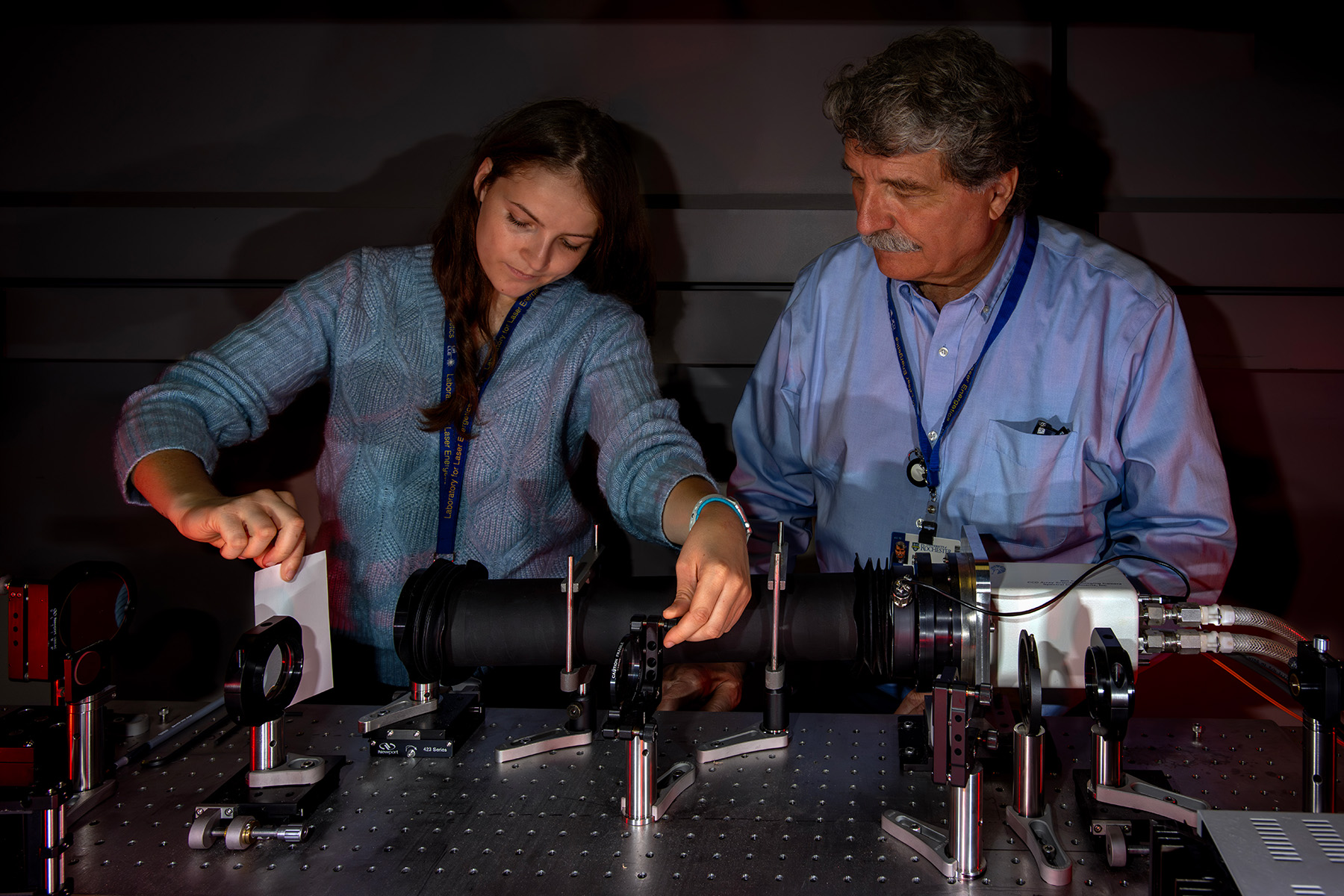
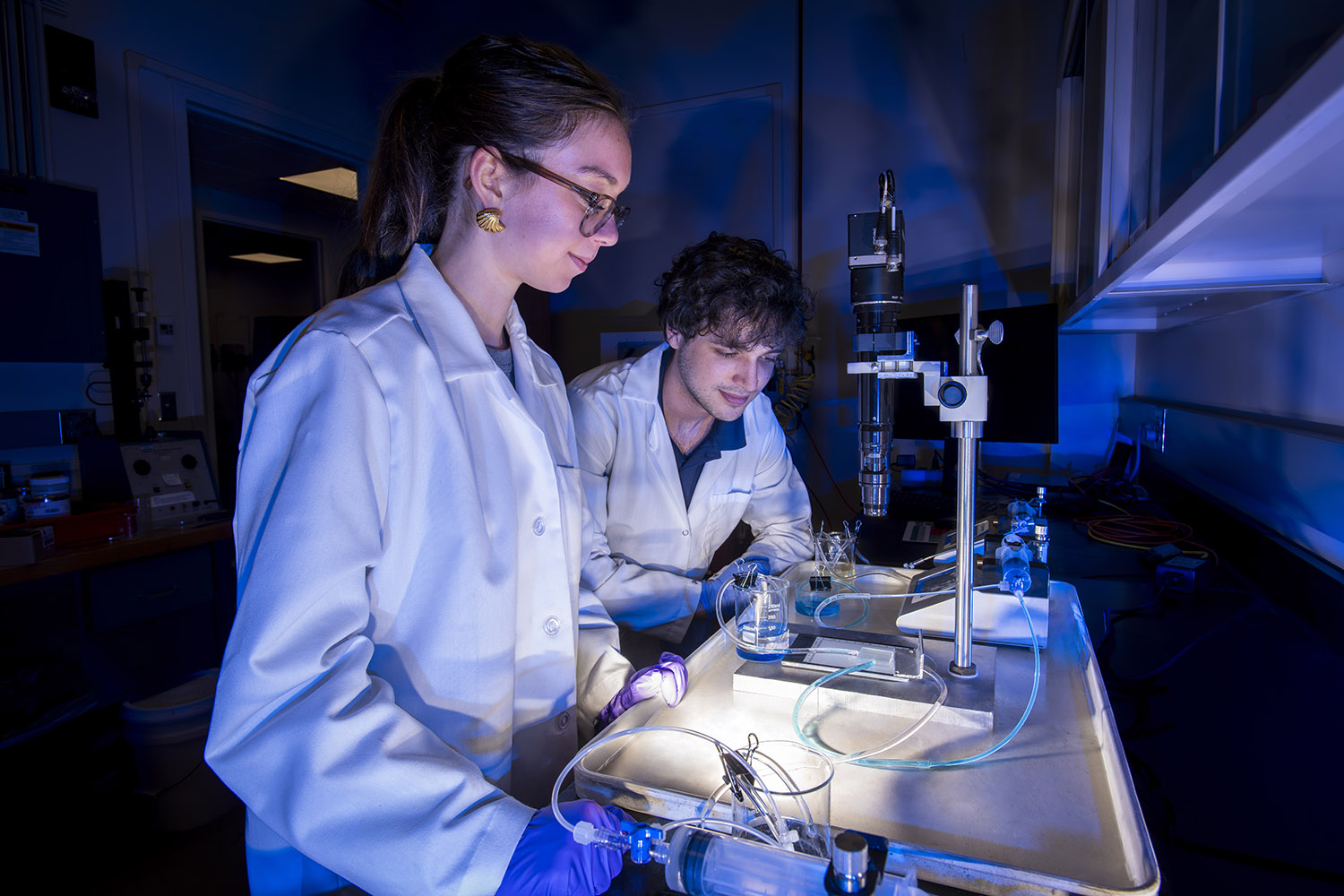
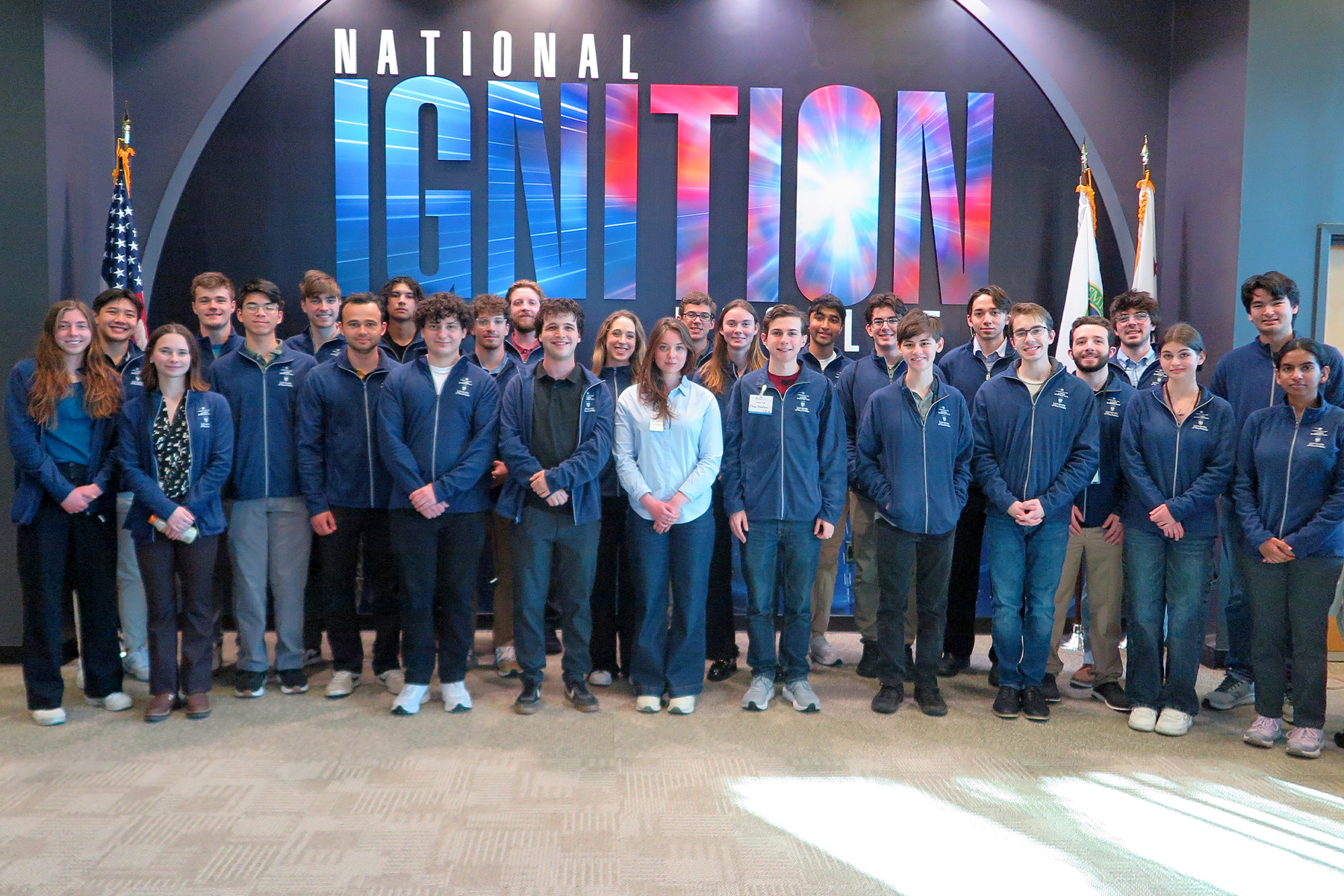
Empowering the next generation of scientists and engineers through hands-on learning, mentorship, and cutting-edge research.
Subscribe to In Focus for quarterly updates and news from inside the lab.