Timeline
2016
Dynamic Compression Sector Laser
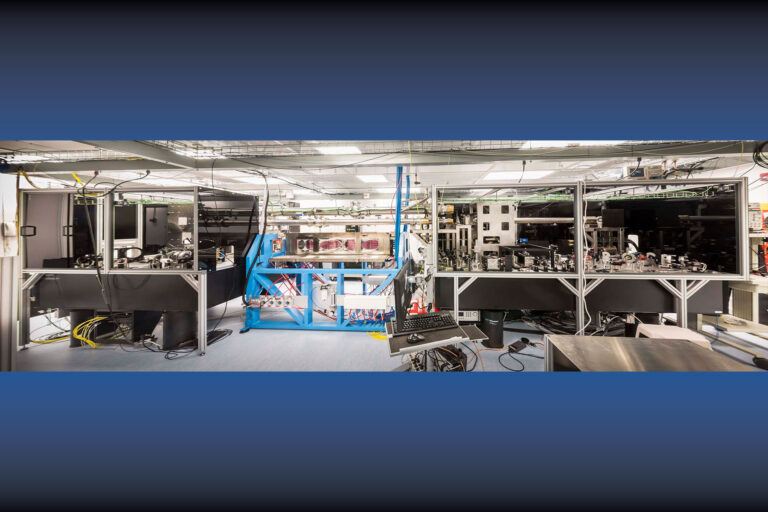
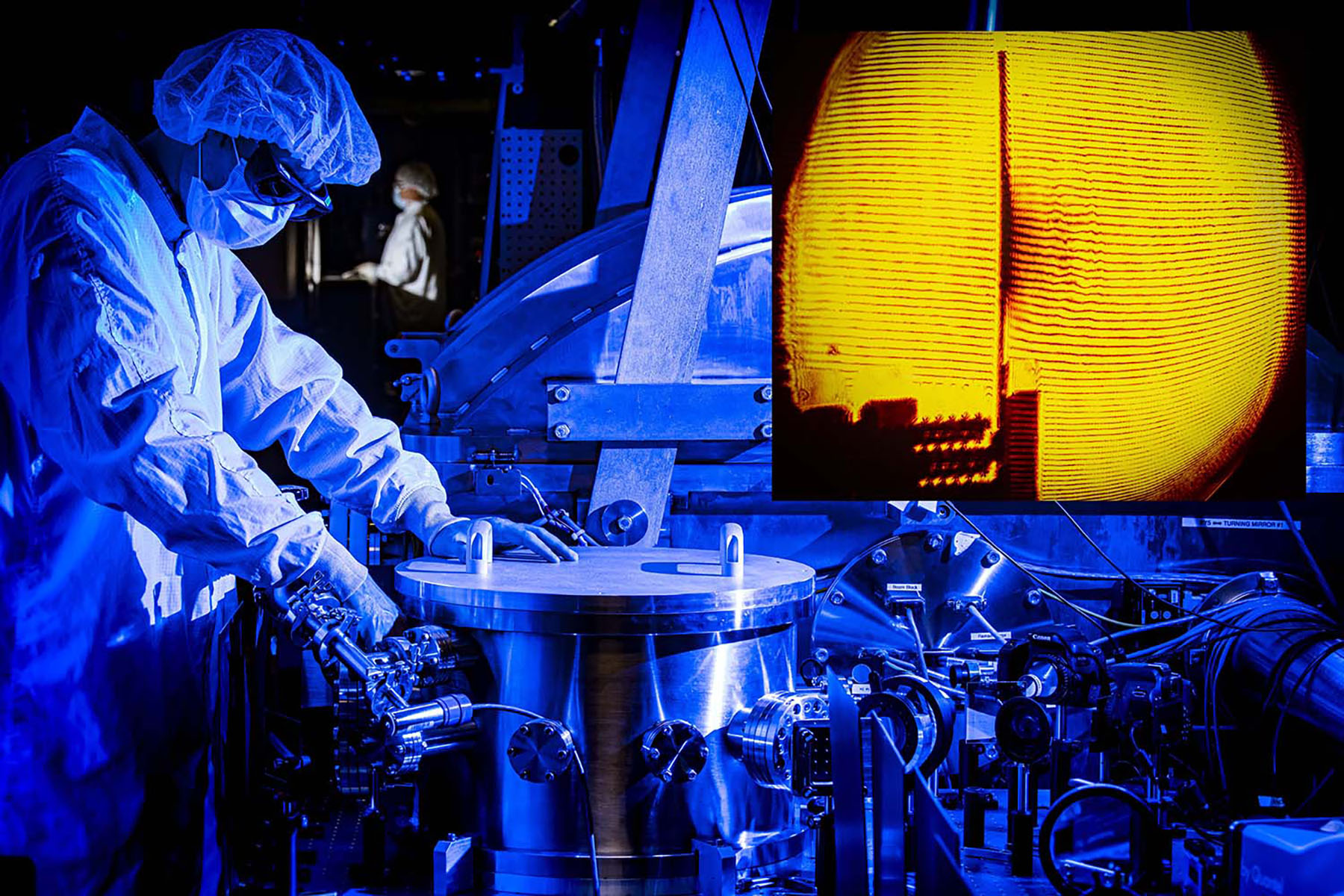
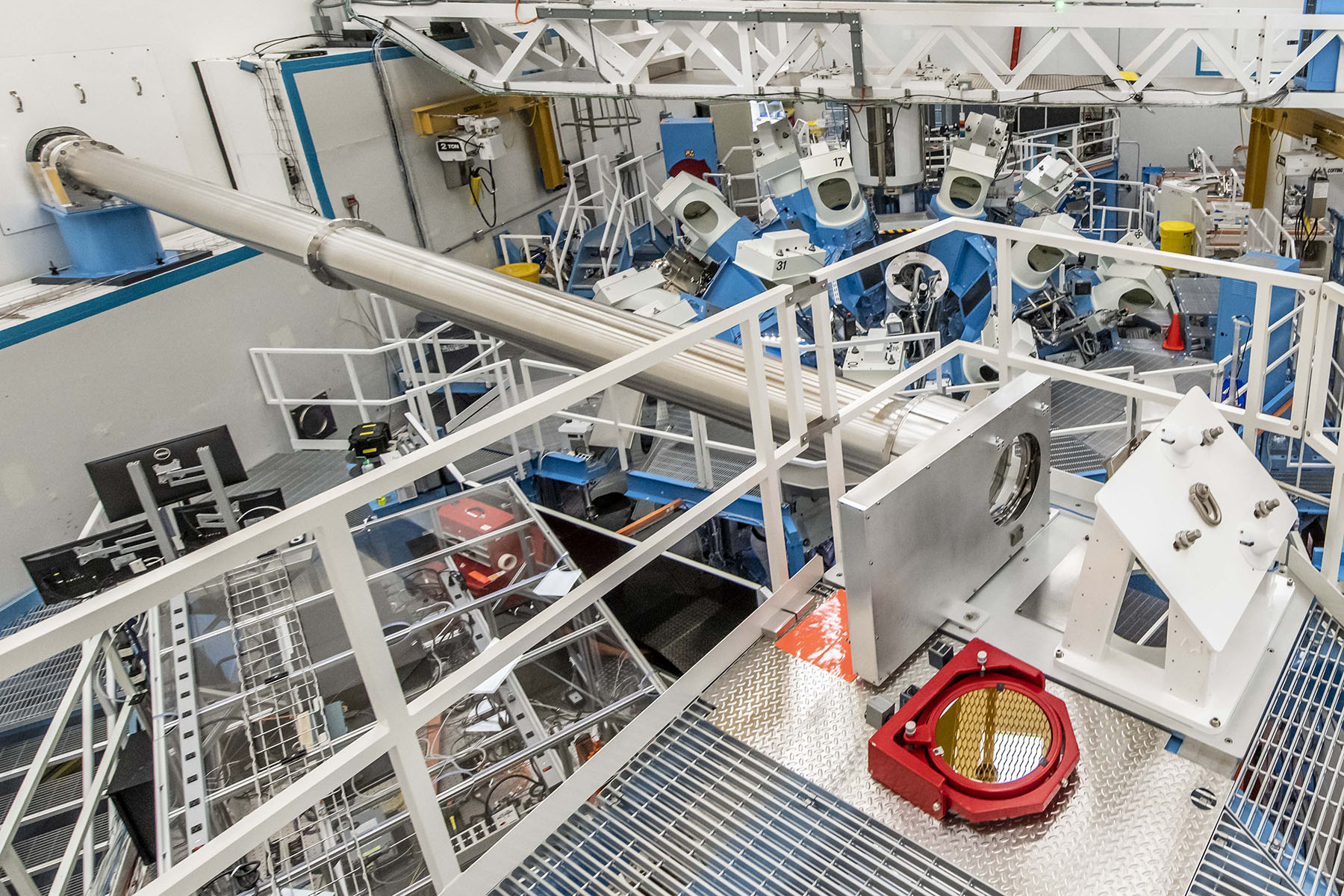
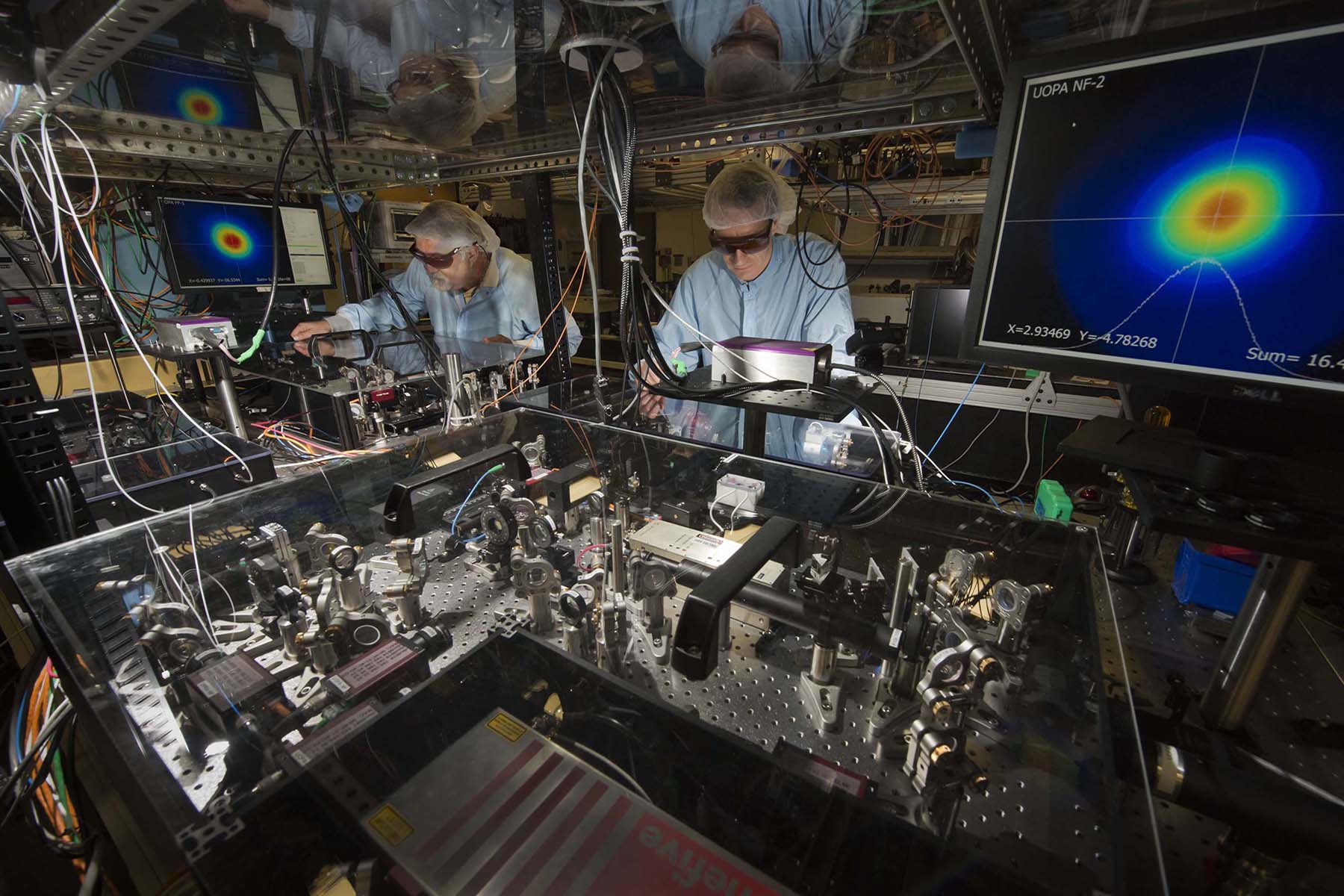
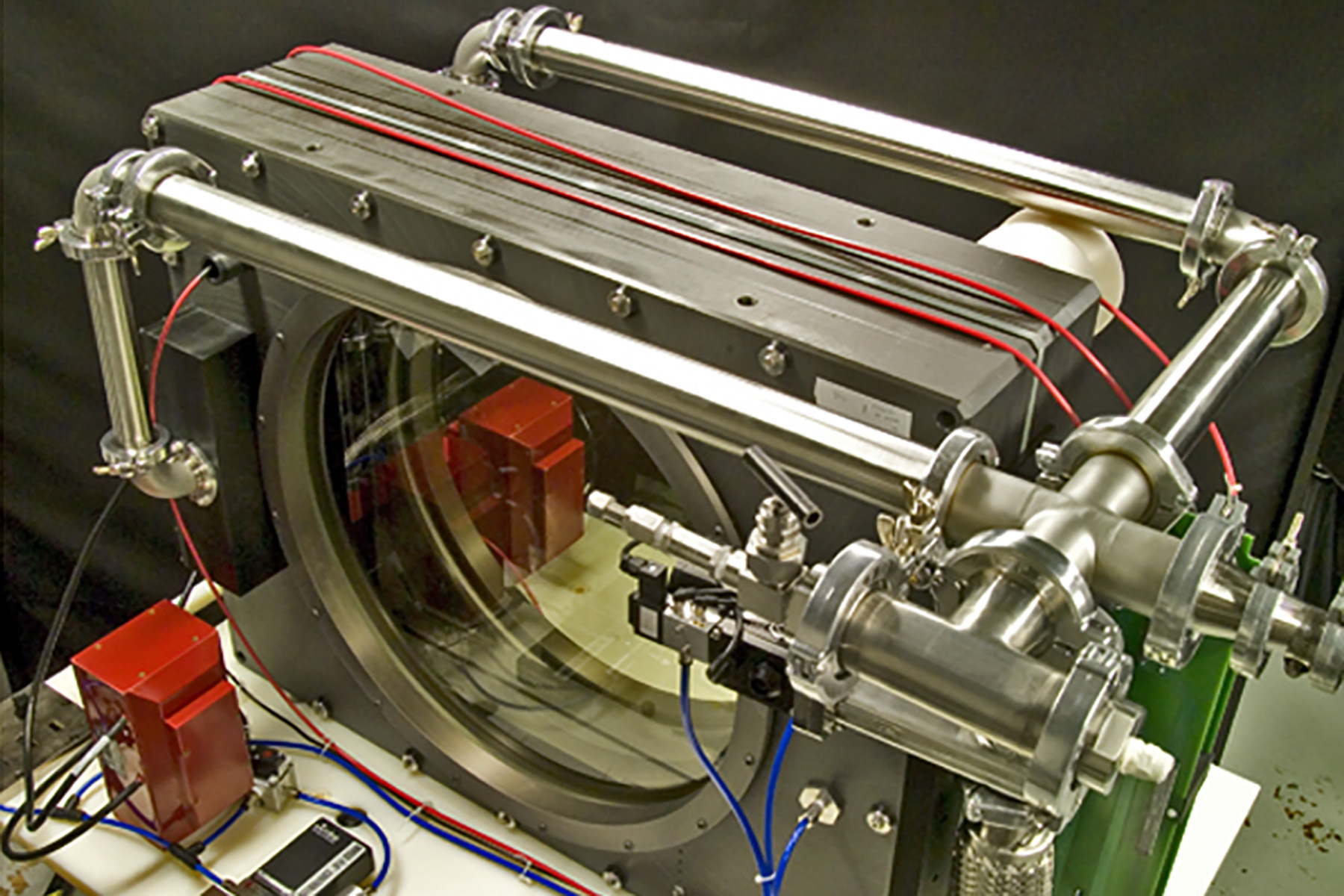
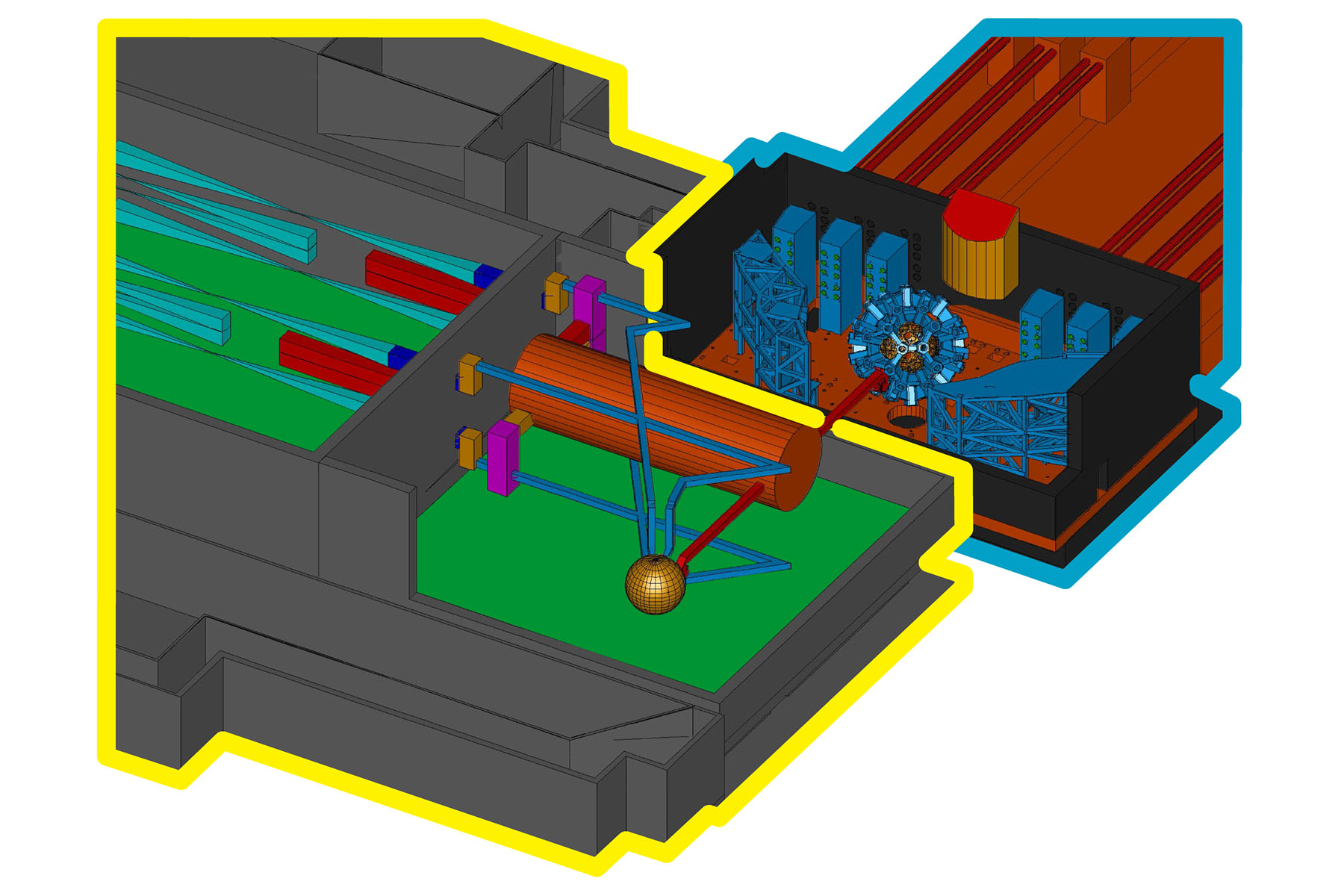
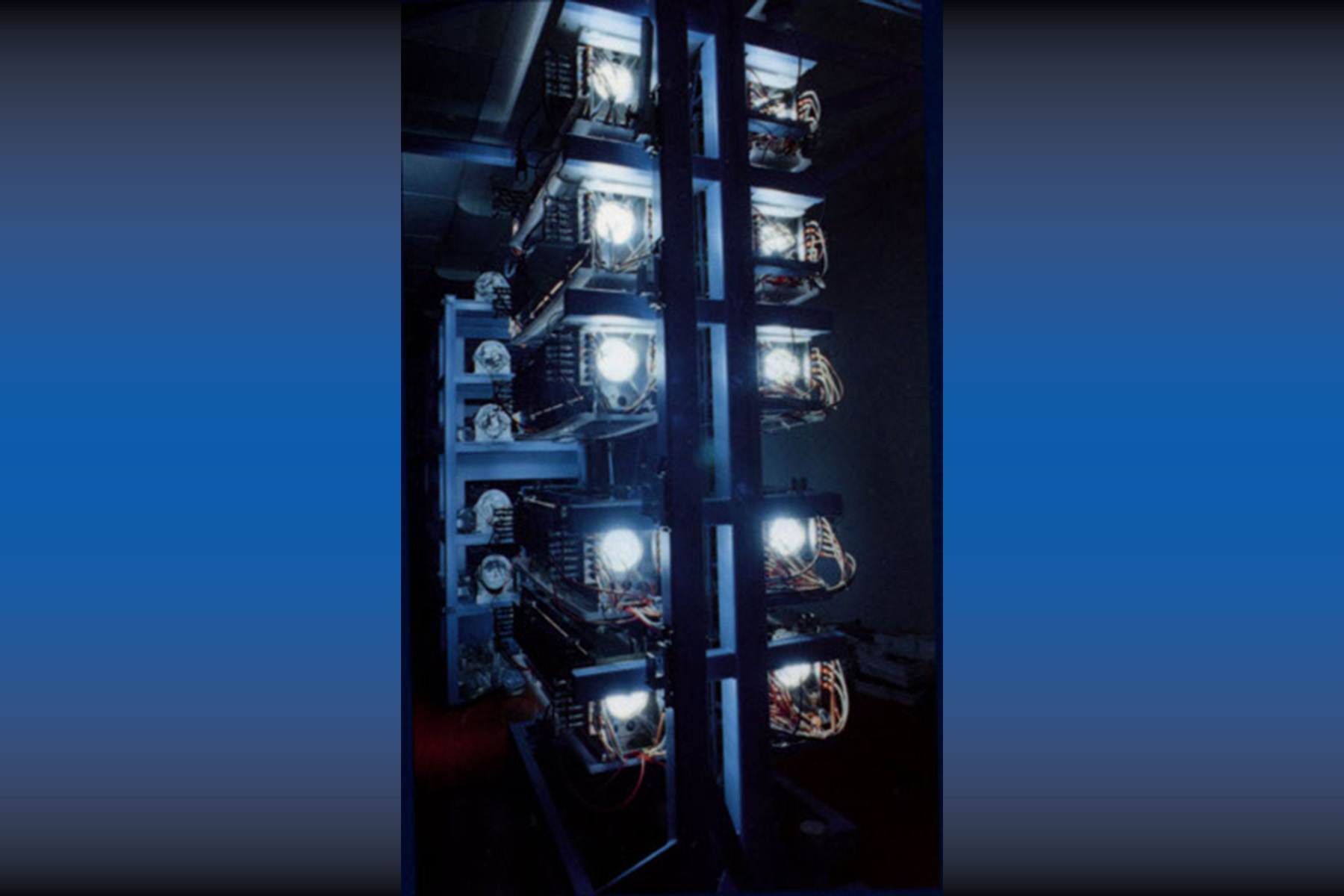
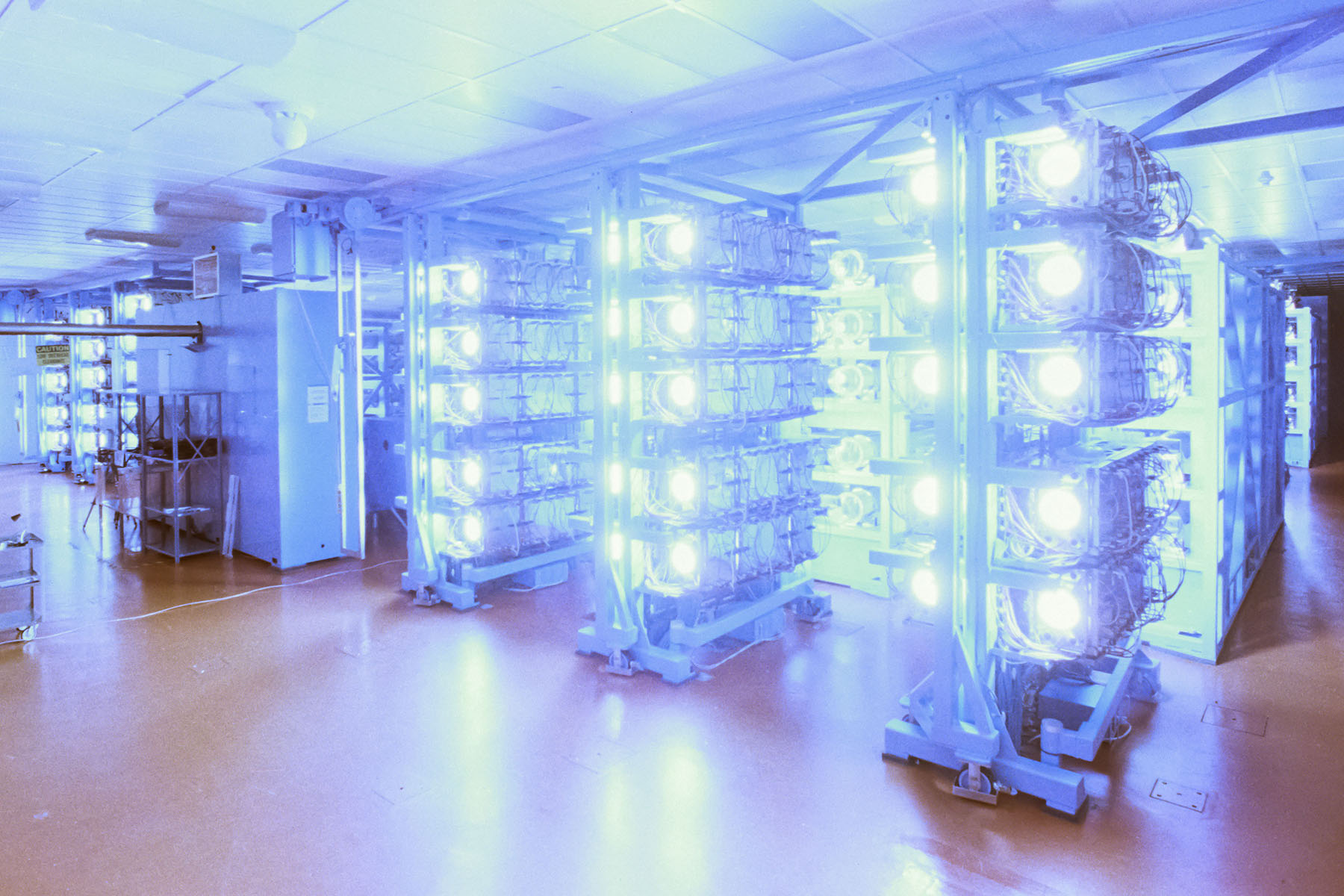
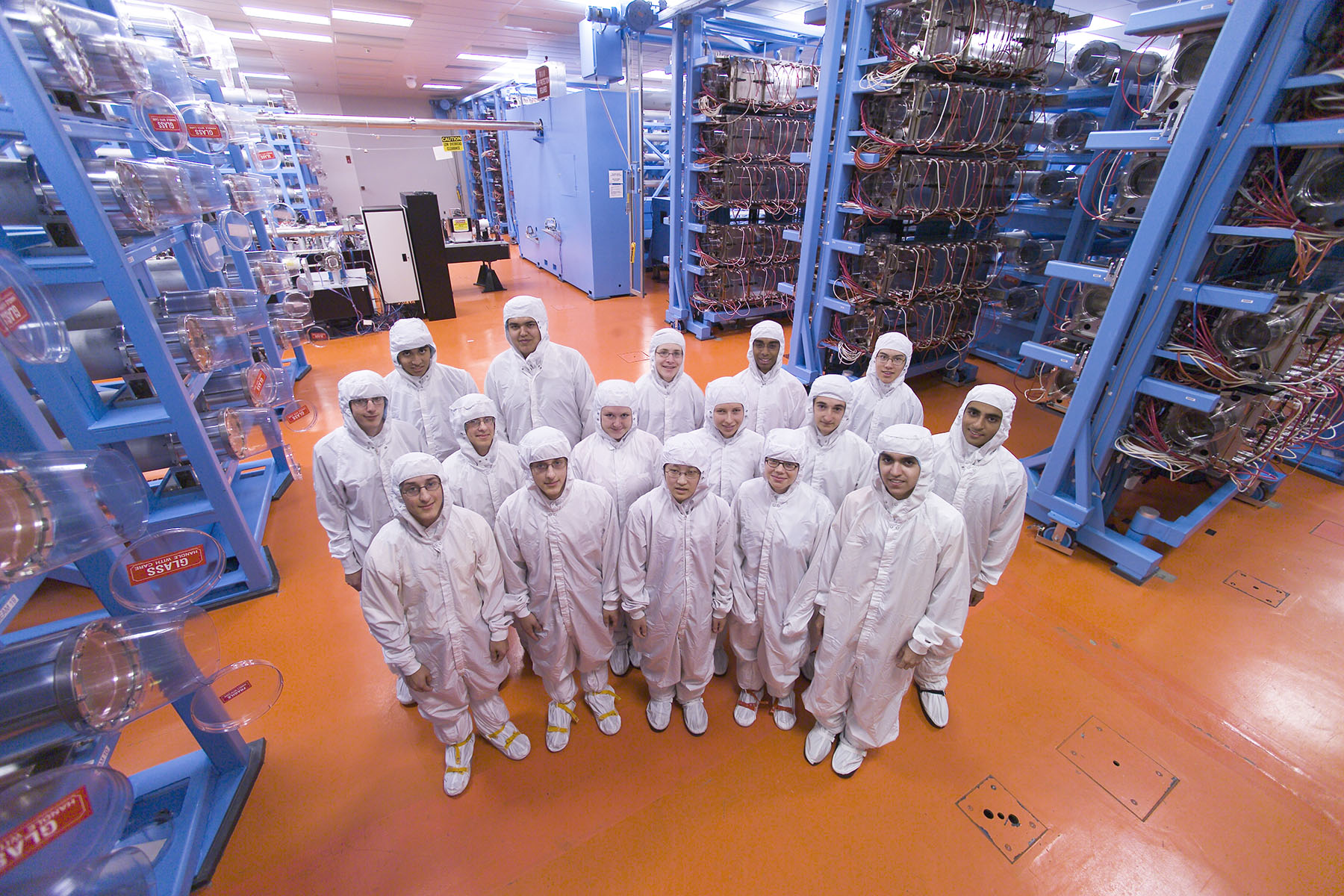
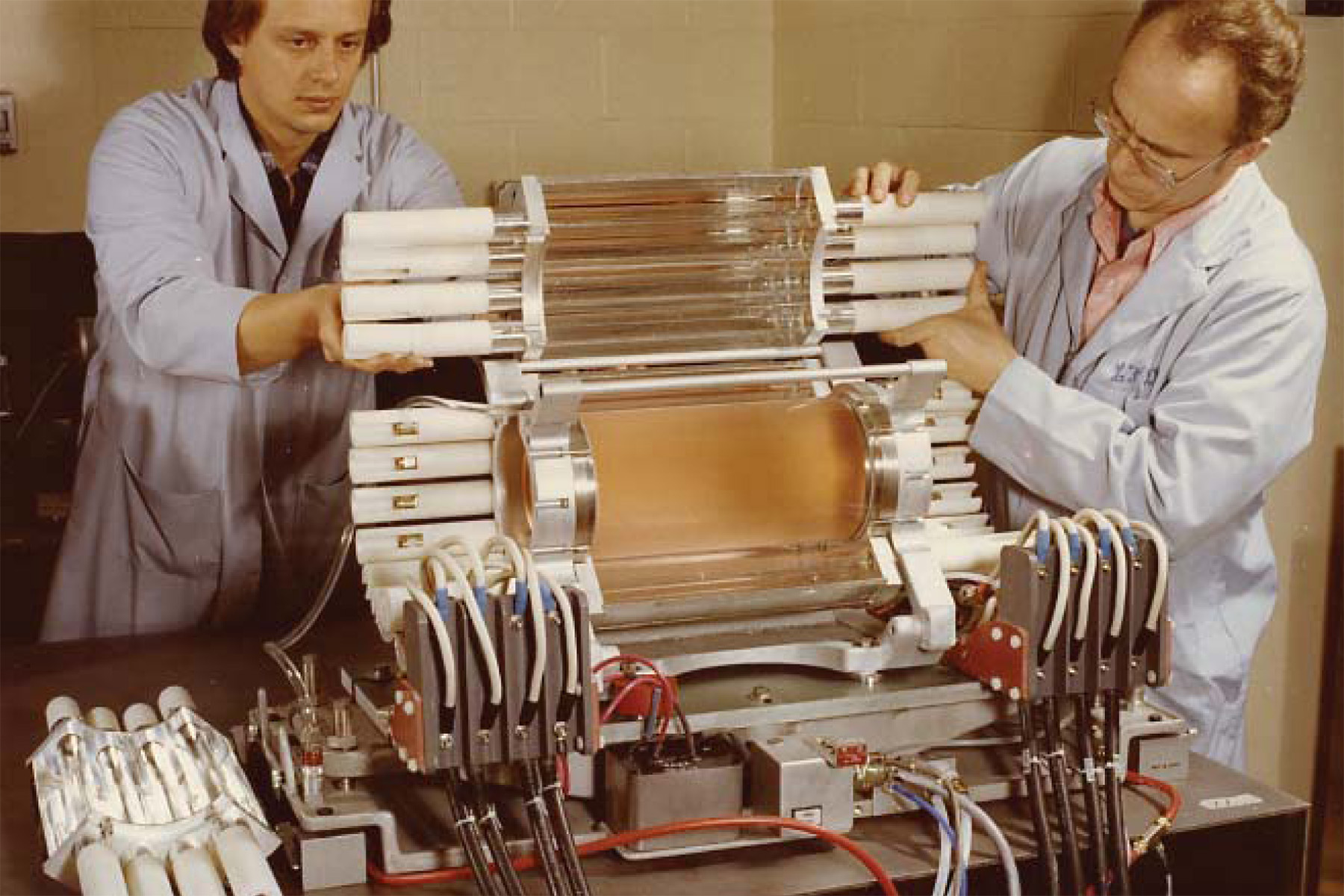
LLE developed a 100-J UV laser and Target Area System for the Dynamic Compression Sector (DCS) at the Advanced Photon Source (APS) located at the Argonne National Laboratory near Chicago. This new research facility is operated by Washington State University under sponsorship from the National Nuclear Security Administration. LLE partnered with Logos Technologies to develop and build the high-energy laser, which is suitable for a broad range of applications. The Advanced Photon Source is a state-of-the-art user facility dedicated to dynamic-compression science, a field that researches materials under extreme conditions (large compressions, high temperatures, and large deformations).
Dr. Michael Rosenberg Receives Rosenbluth Award
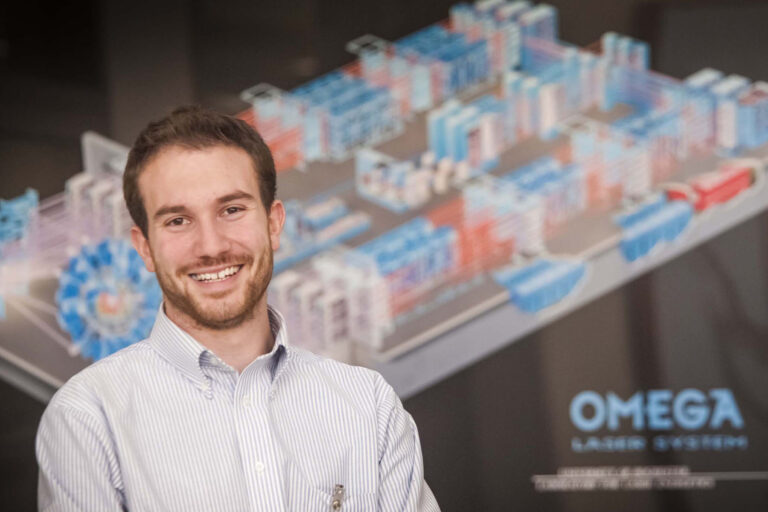
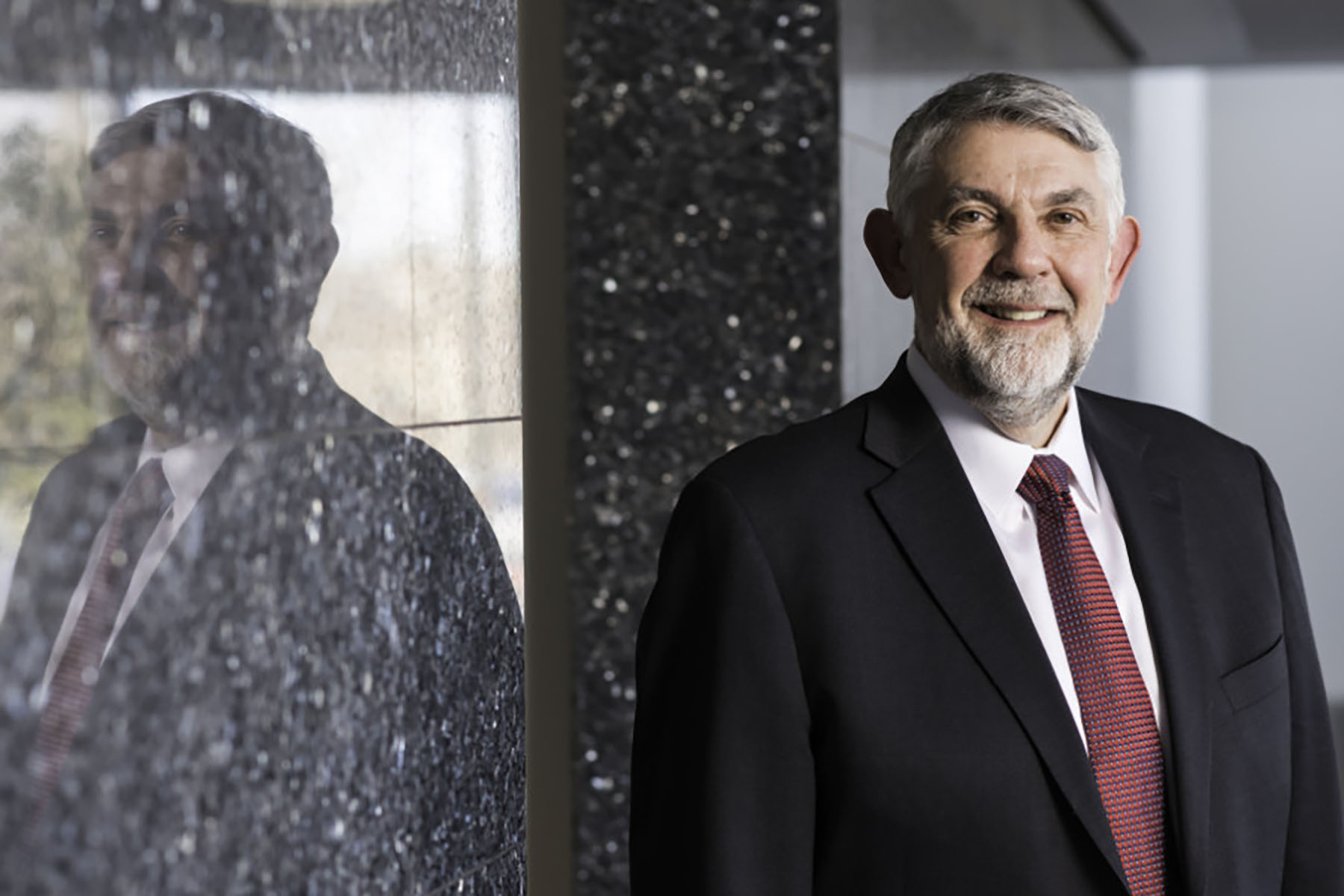
Dr. Michael Rosenberg was selected to receive the prestigious Marshall Rosenbluth Award for Outstanding Doctoral Thesis given by the American Physical Society Division of Plasma Physics. The award citation states “for first experimental demonstration of the importance of kinetic and multi-ion effects on fusion rates in a wide class of inertial confinement fusion implosions, and for use of proton diagnostics to unveil new features of magnetic reconnection in laser-generated plasmas.” There are many aspects to Rosenberg’s thesis, but the most important and influential accomplishment was to discover, quantify, and document the existence and importance of kinetic and multi-ion effects in inertial confinement fusion plasmas and to clearly delineate the transition from the kinetic to the average-ion fluid description. His research was done at the Omega Laser Facility and the National Ignition Facility and leveraged techniques and instruments developed at the MIT High-Energy-Density Accelerator Facility.
Physicists Find New Evidence for Helium “Rain” on Saturn
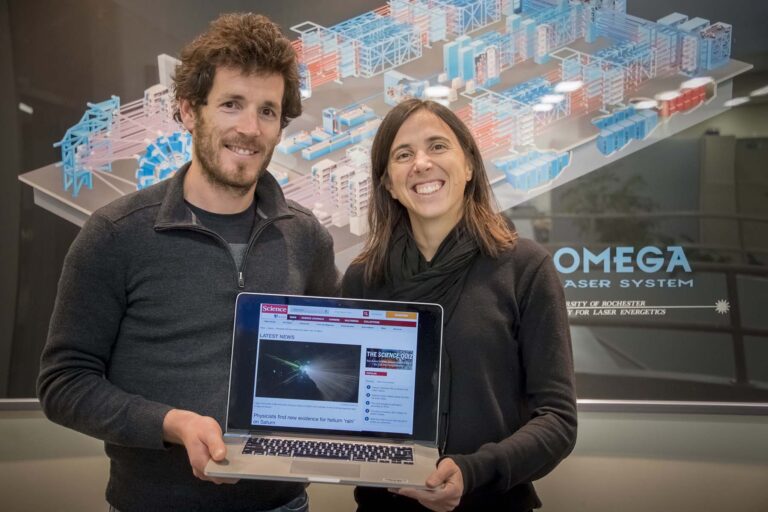
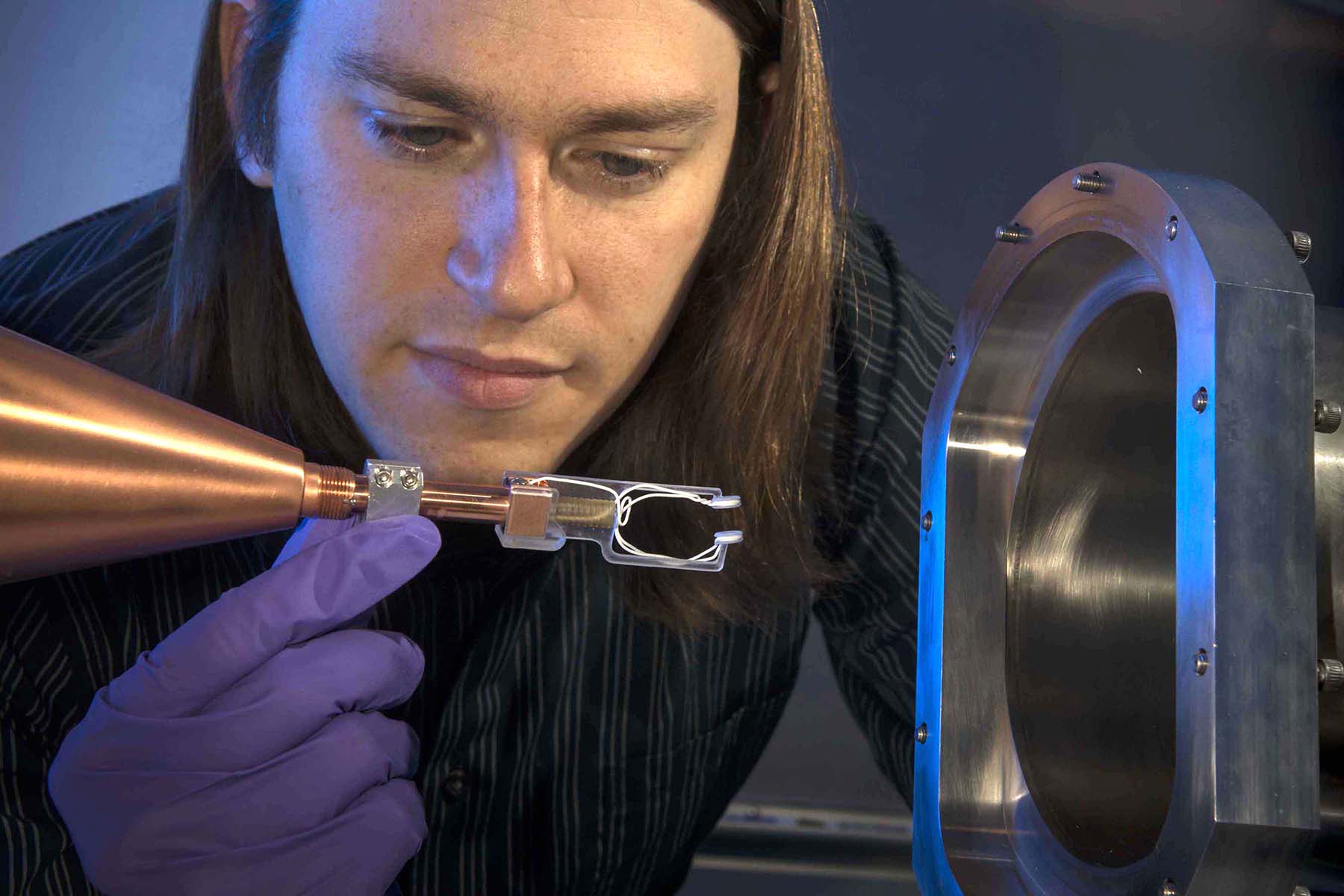
Research scientists Marius Adrien Millot (LLNL) and Stephanie Brygoo (CEA-France) are shown displaying a Science Magazine news article on their research at LLE. They used the OMEGA Laser System to demonstrate possible helium “rain” on Saturn to account for the unexpectedly high brightness for a normally cooling planet. The helium “rain,” occurring at pressures and temperatures that can be created using OMEGA, unleashes gravitational potential energy that makes Saturn more luminous. In addition to LLNL and CEA, scientists come from around the world to take advantage of the facilities at LLE.
X-Ray Backlighting of Cryogenic Capsule Implosion
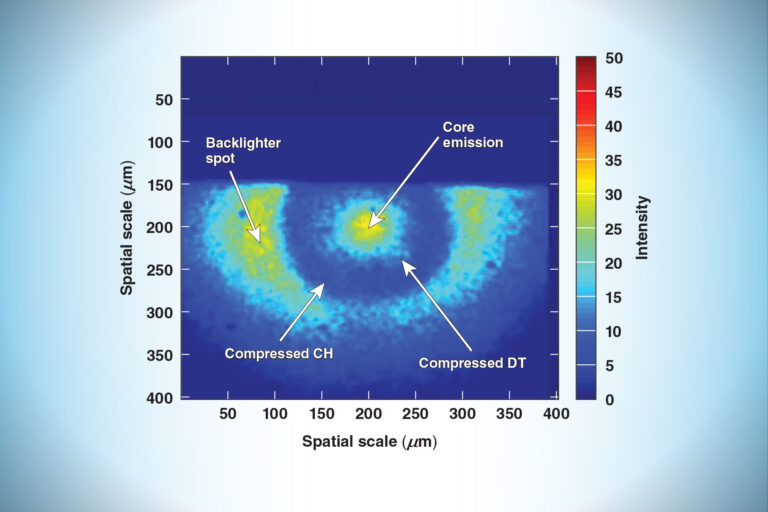
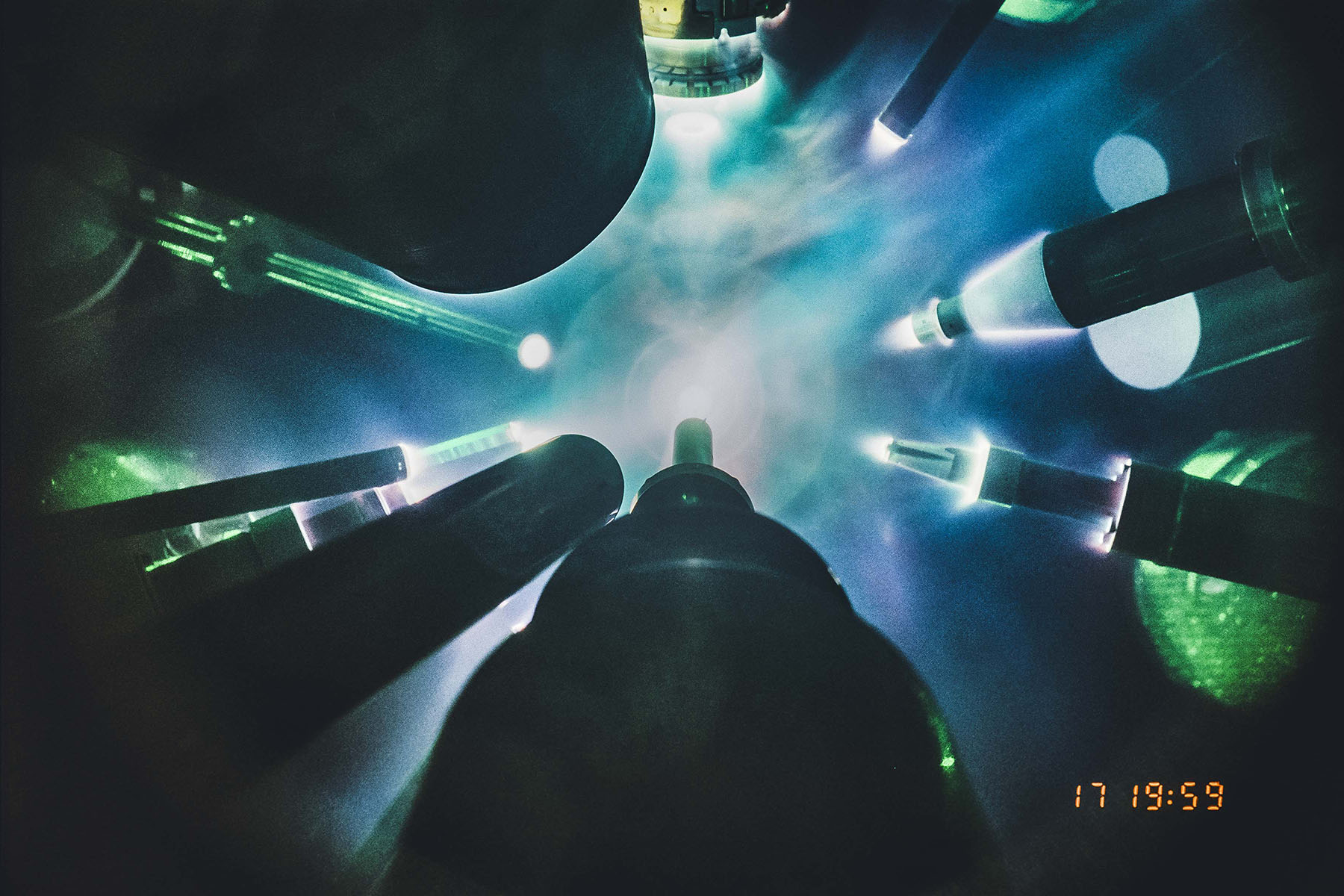
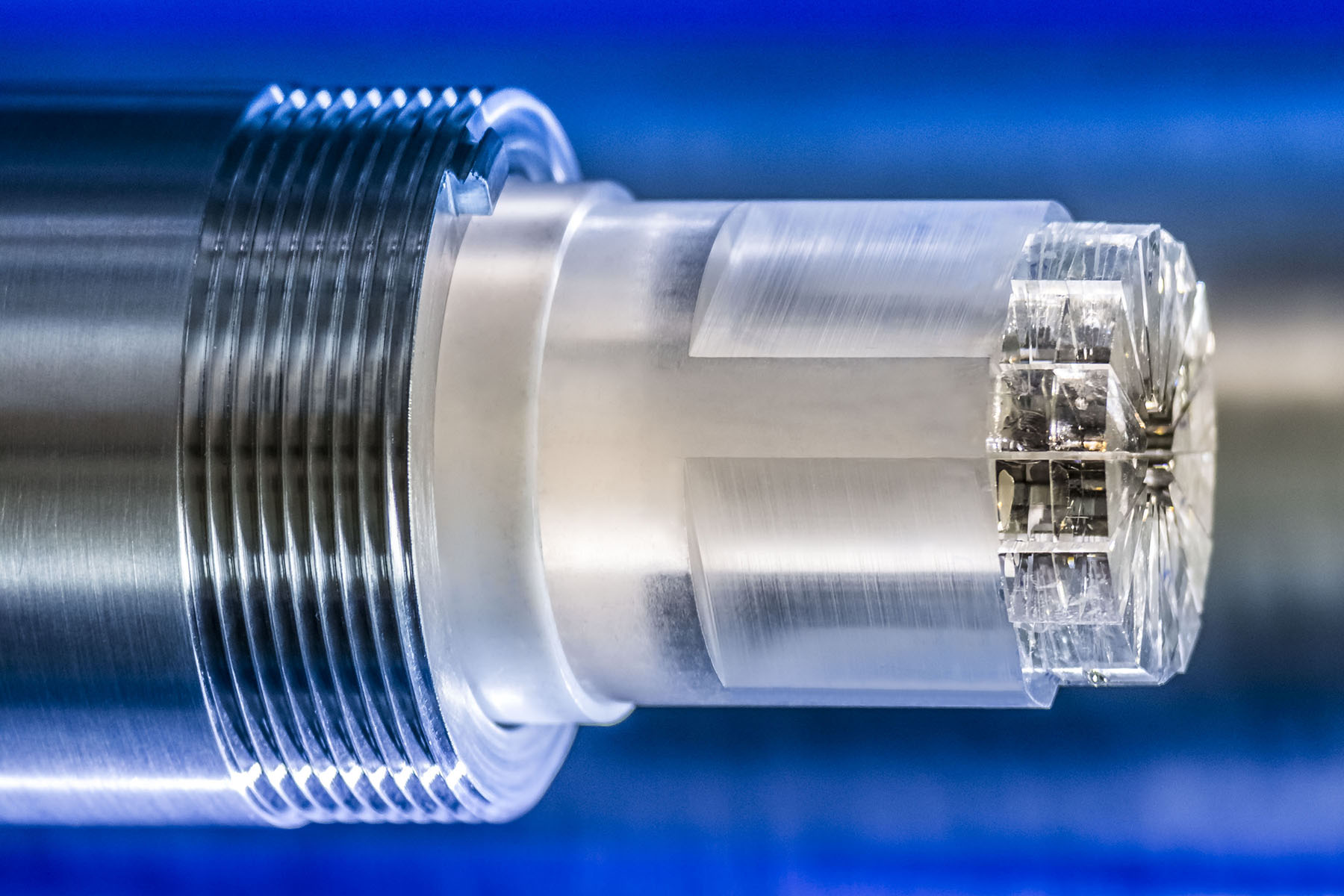
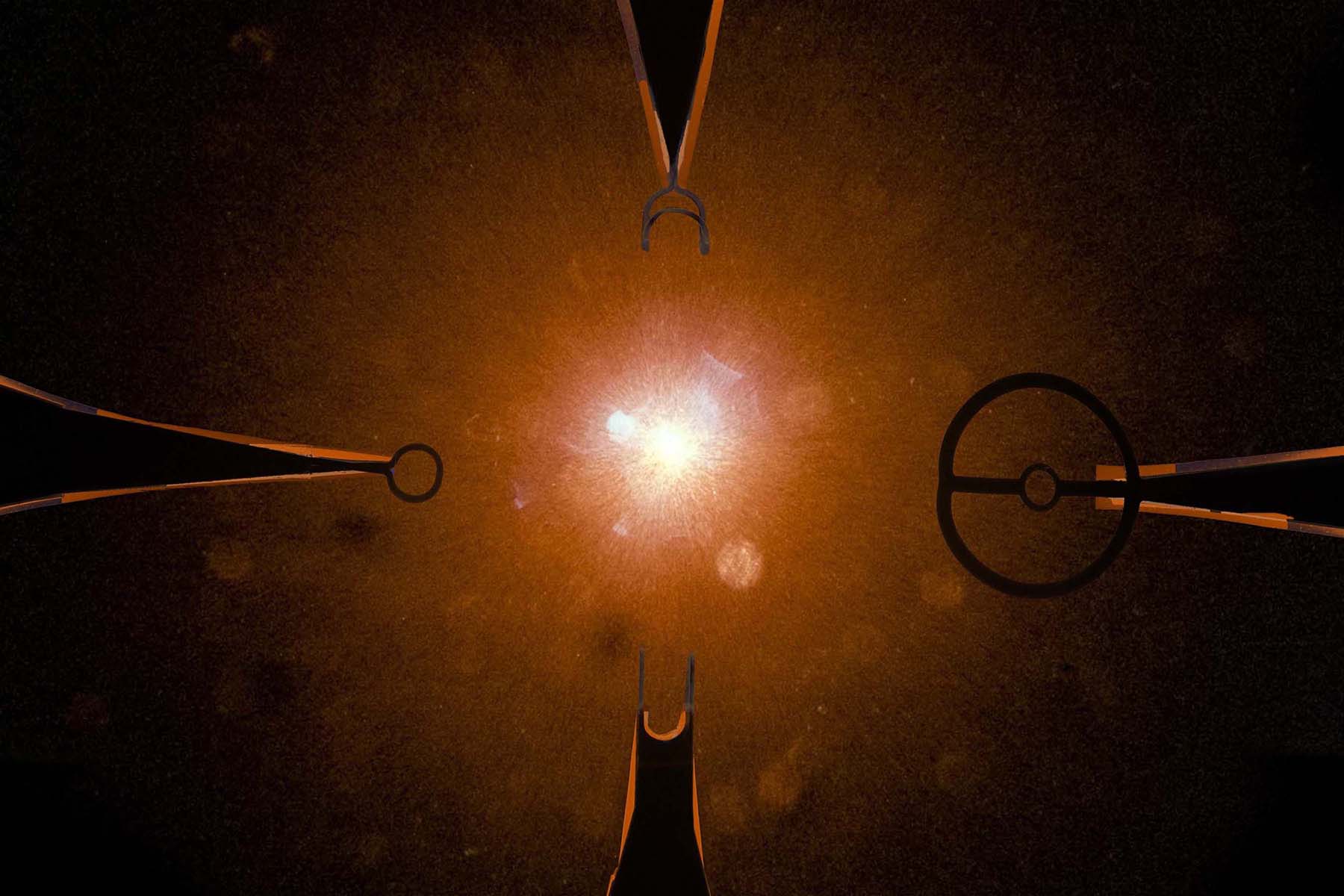
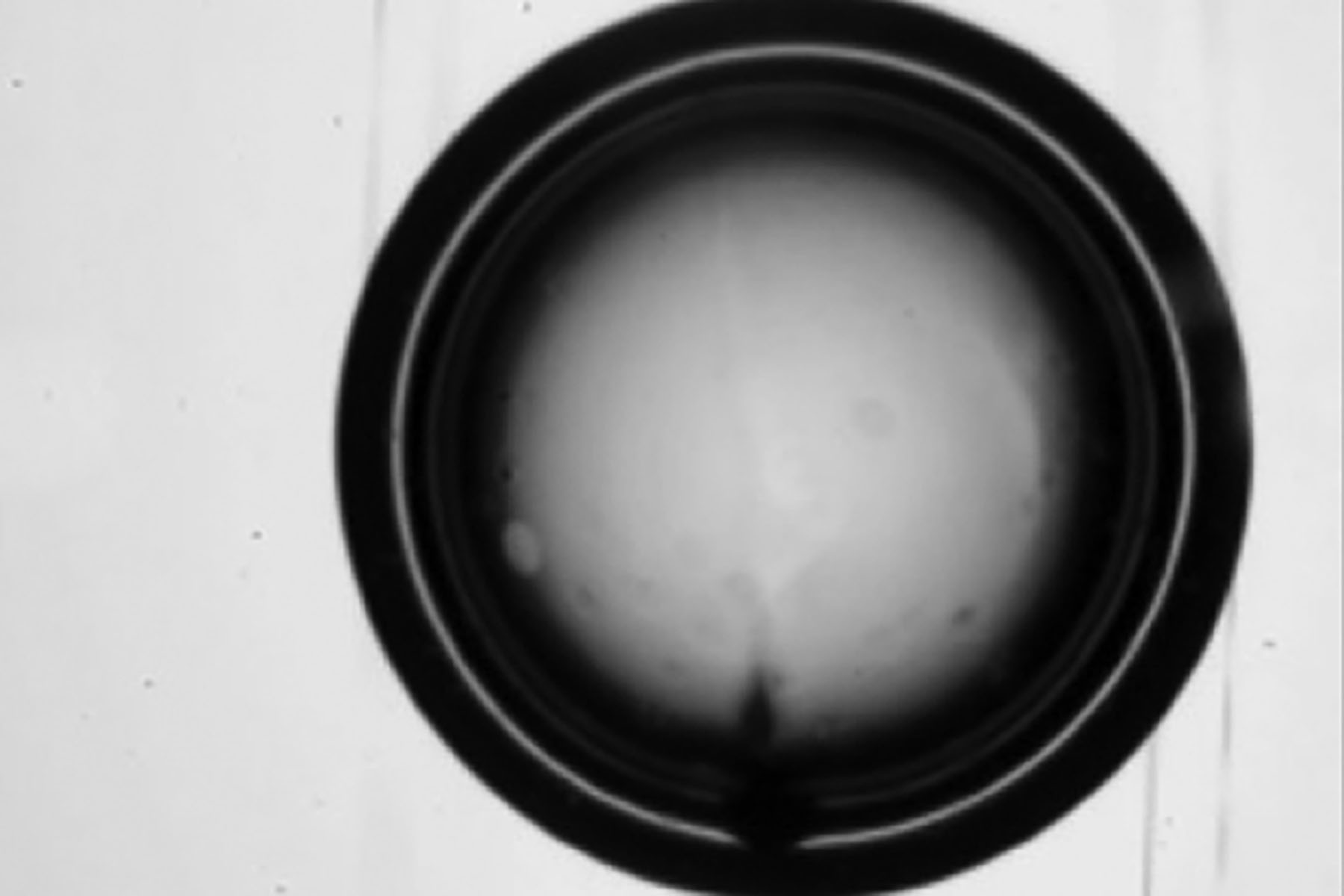
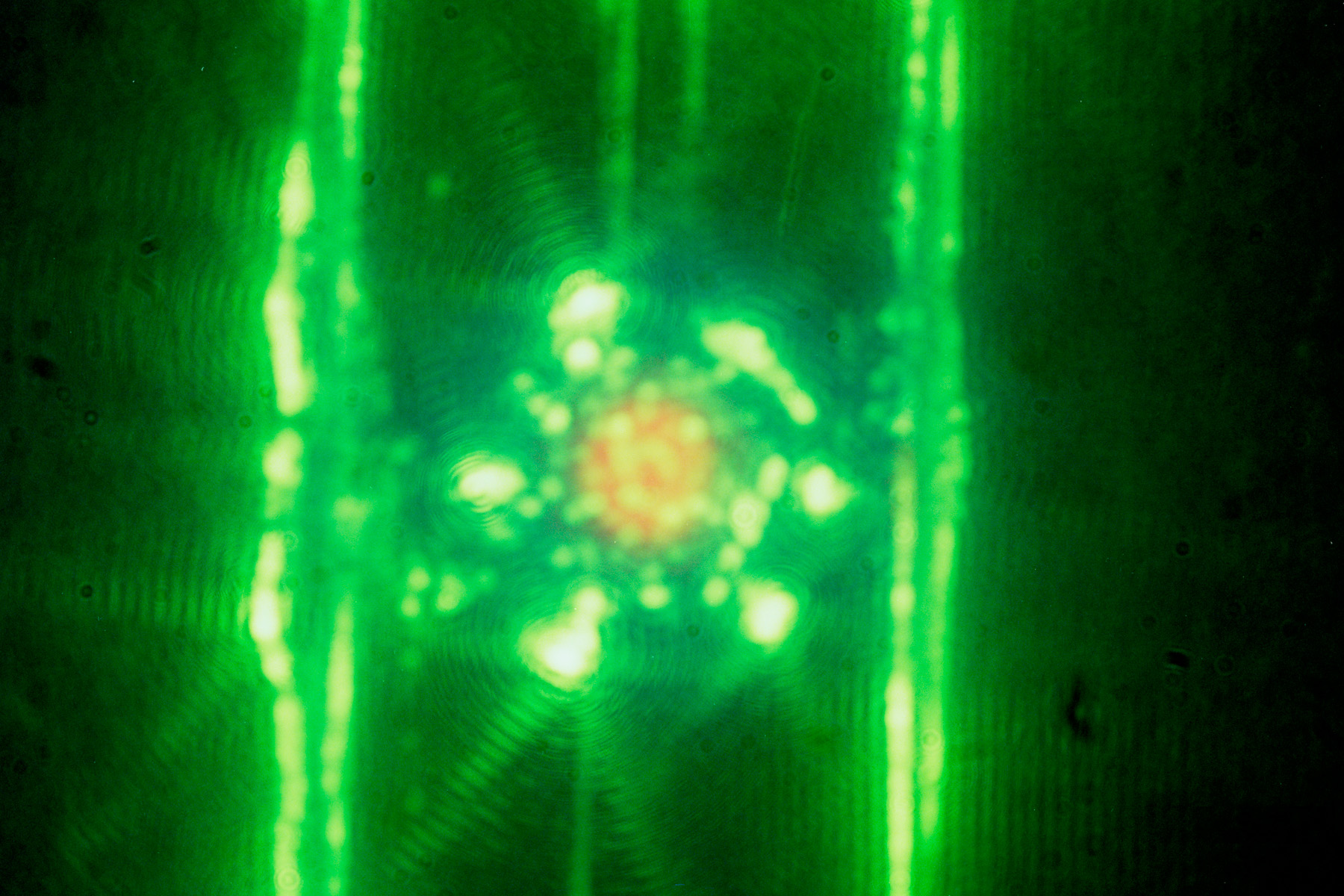
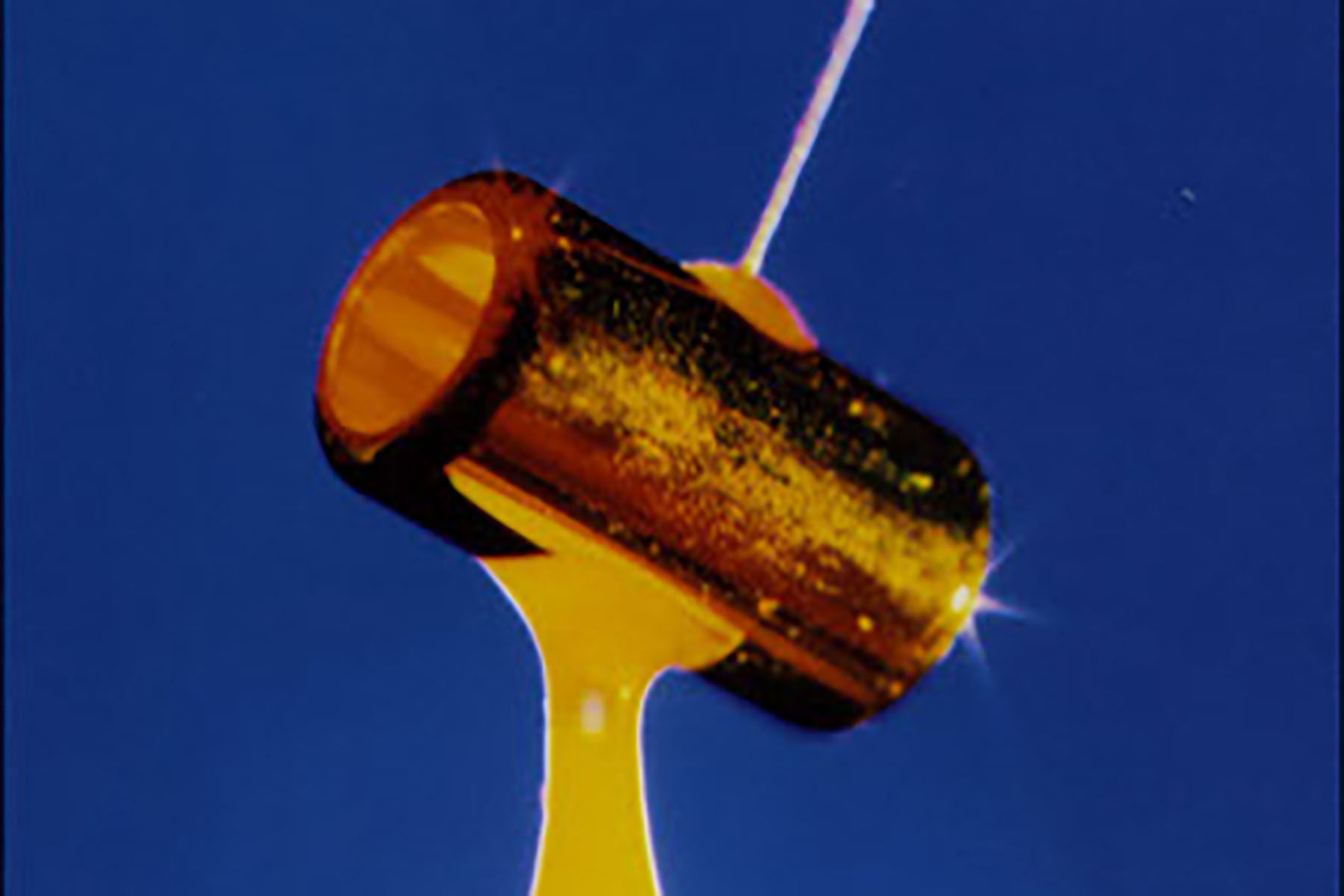
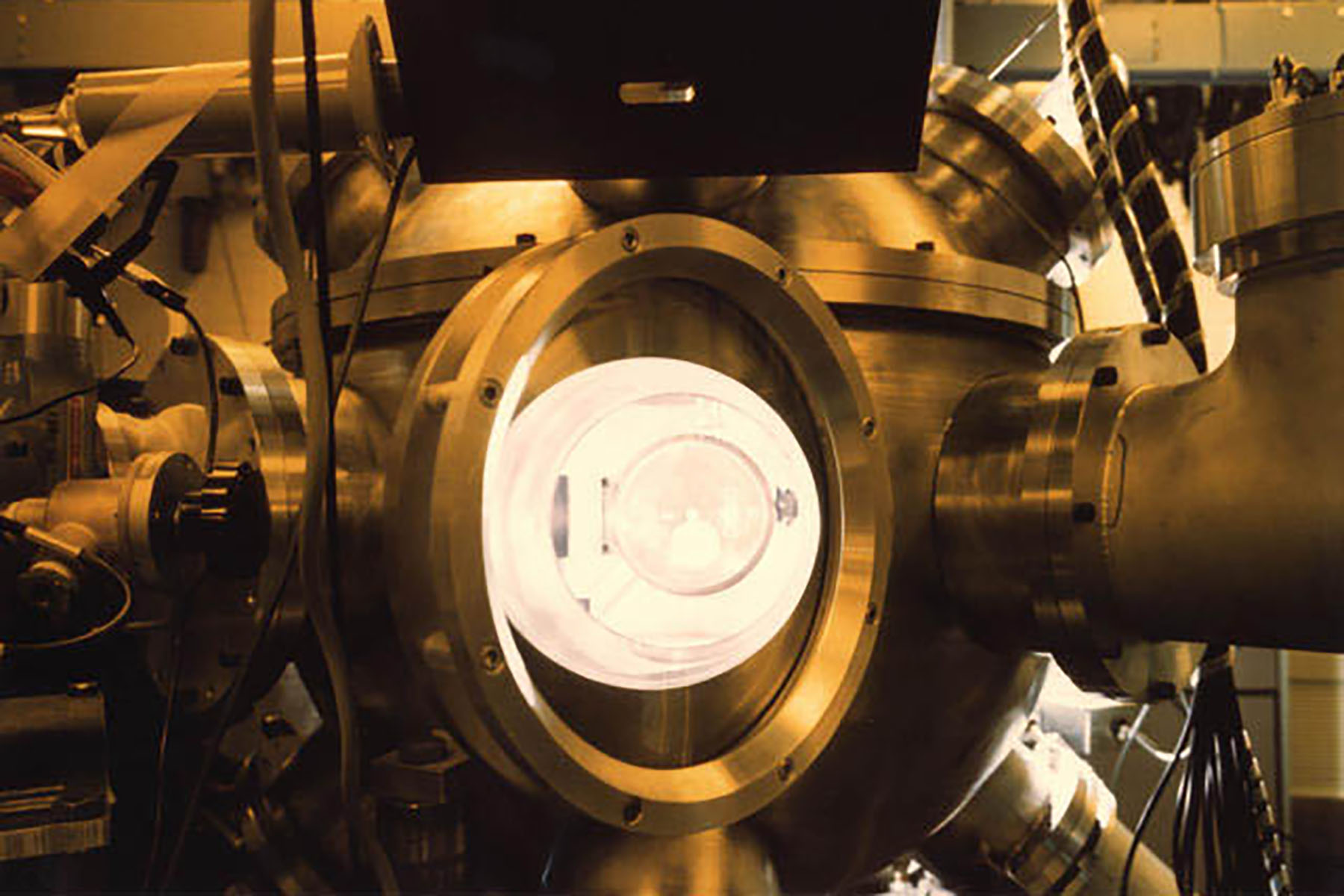
A narrowband crystal imaging system was used to perform x-ray radiography of OMEGA cryogenic capsule implosions. A 20-ps, 1.5-kJ OMEGA EP laser pulse was used to irradiate a Si x-ray backlighter target located inside the OMEGA target chamber. This configuration made it possible to measure the x-ray absorption of the cold dense shell of DT with 15-μm spatial resolution.
A New Prototype Stage for Glancing-Angle–Deposition Coatings Research
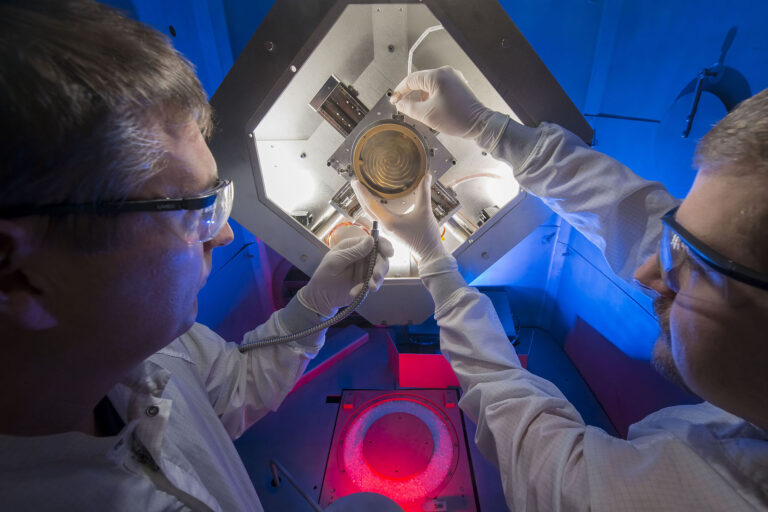
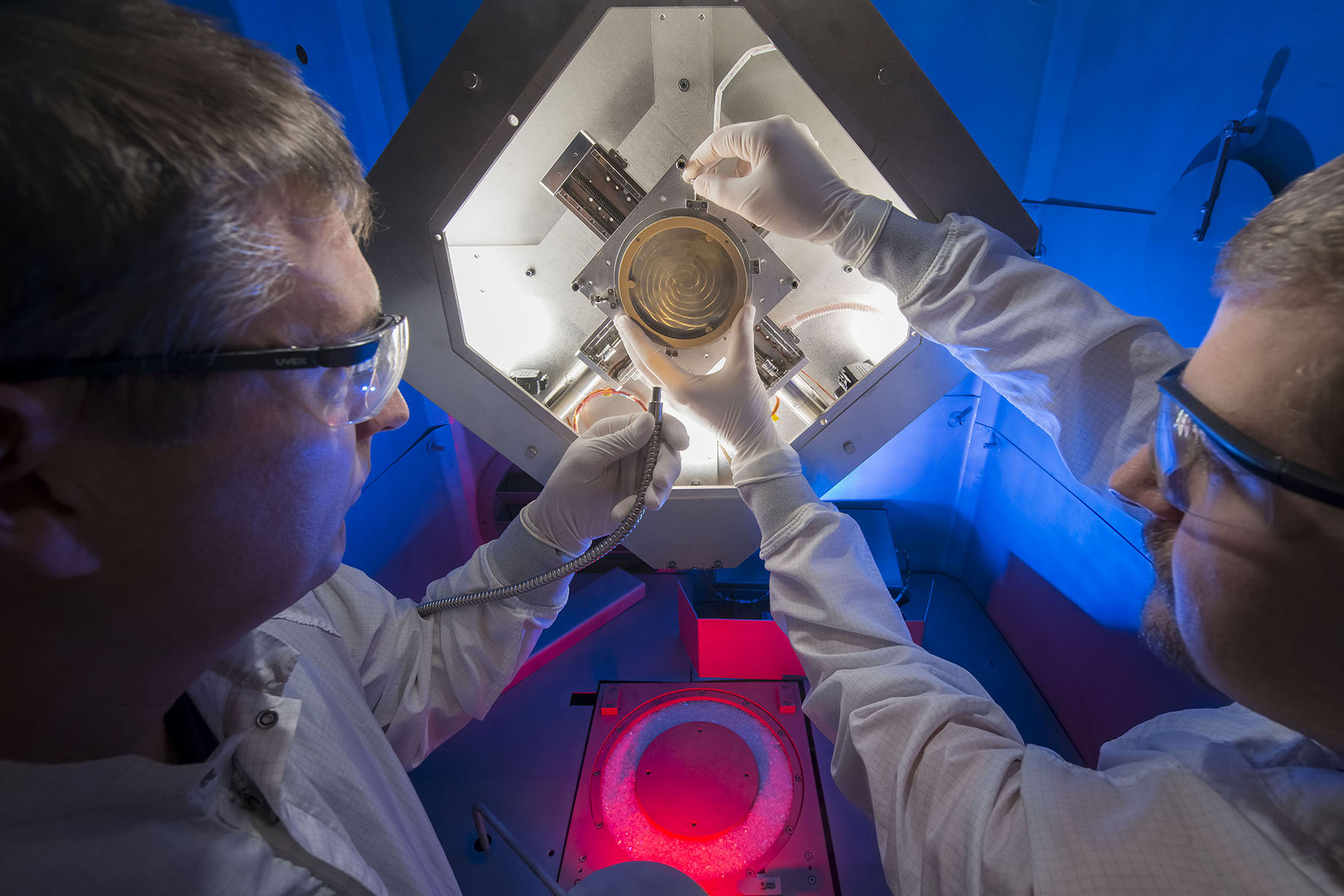
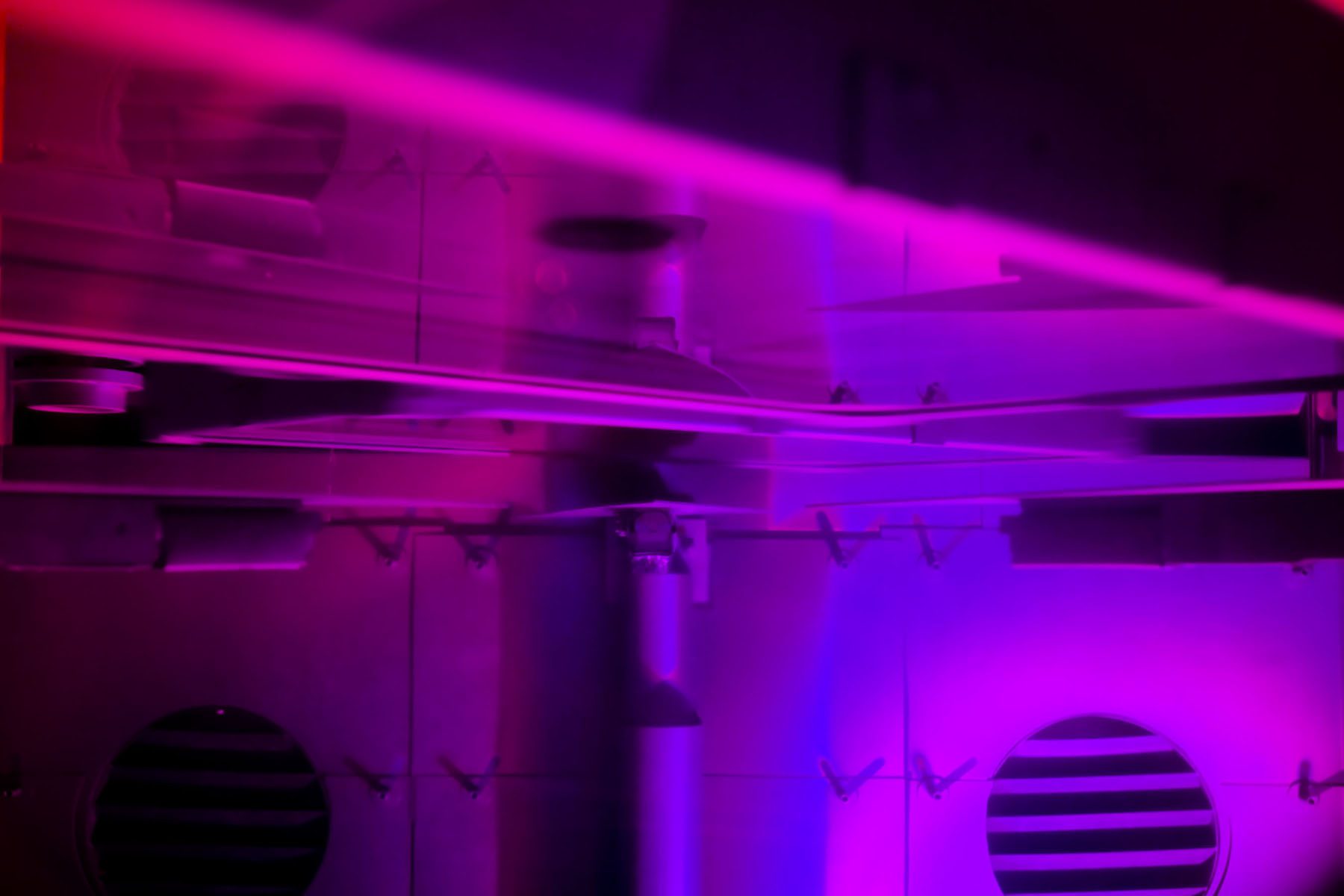
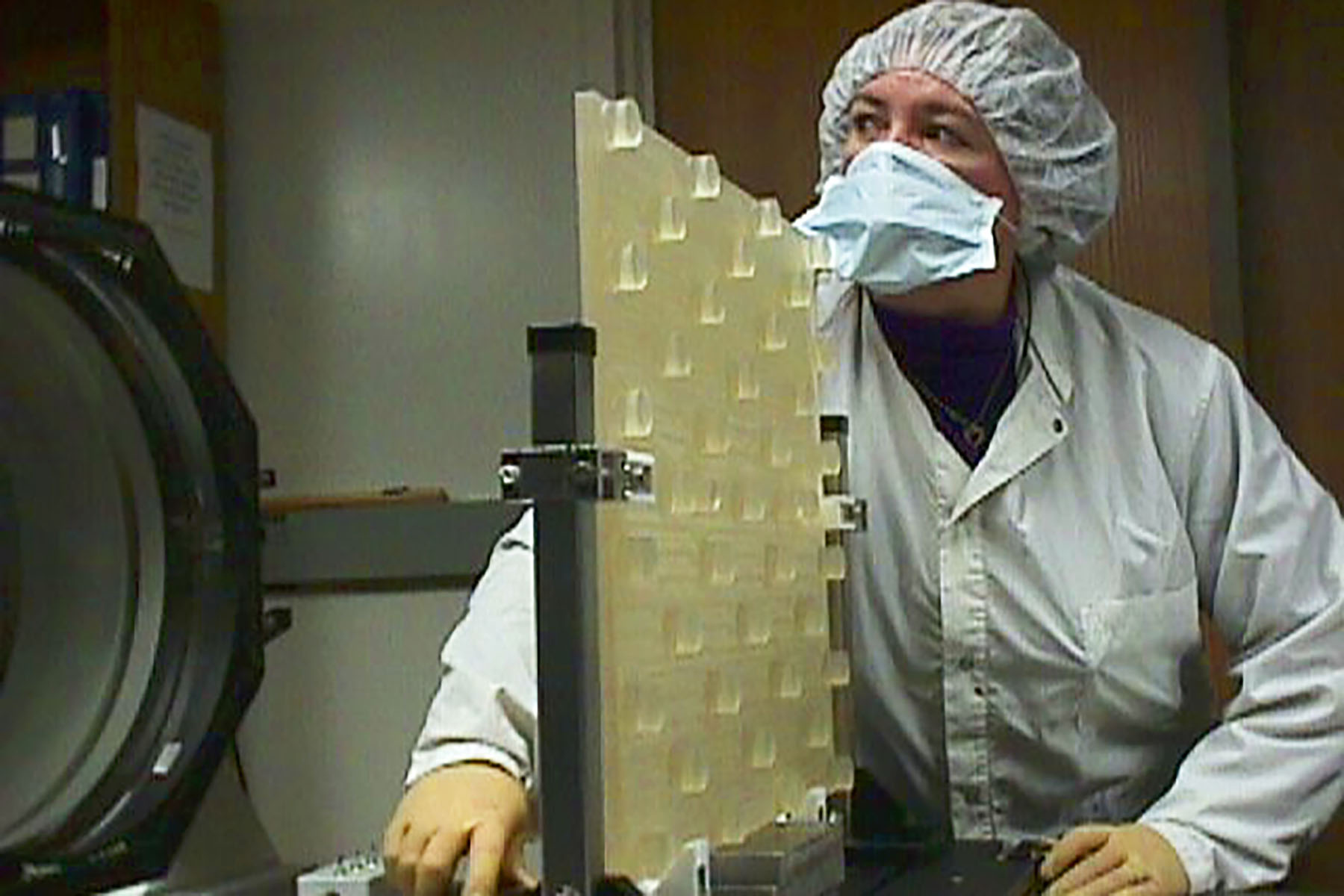
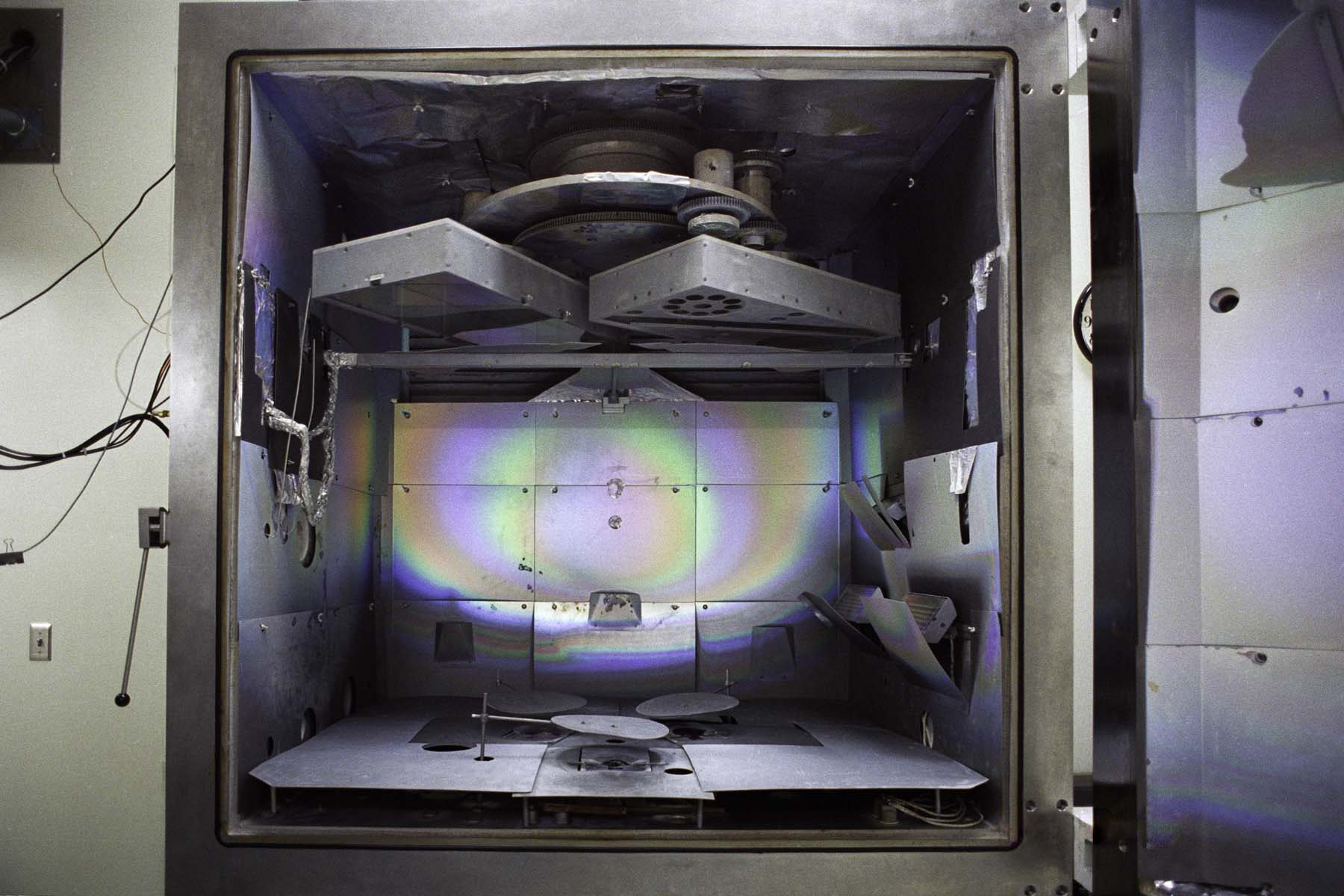
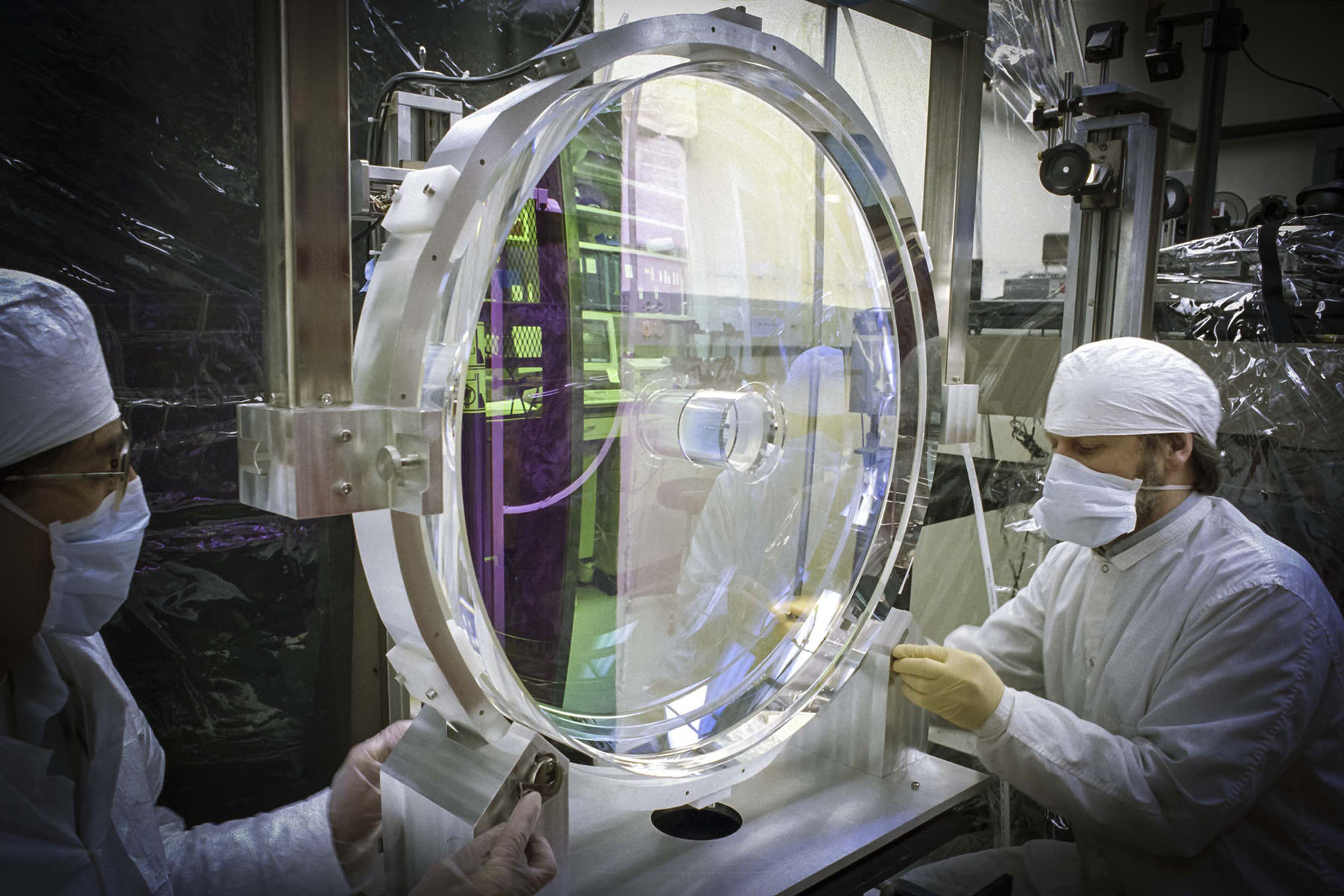
Optical Manufacturing Process Engineer, John Spaulding, and Coating Operator, Justin Foster, are shown installing an optic on a new prototype stage built to support research and development work on glancing-angle–deposition (GLAD) coatings. The deposition system is designed to allow for growth of an oriented, birefringent film structure in stripes across an optical surface, and the resulting film thickness is controlled such that each stripe region is a quarter-wave plate. GLAD coating research supports the potential manufacture of a distributed polarization rotator component that would be integral to beam-smoothing efforts for direct-drive or polar-direct-drive campaigns at the National Ignition Facility.