Timeline
2022
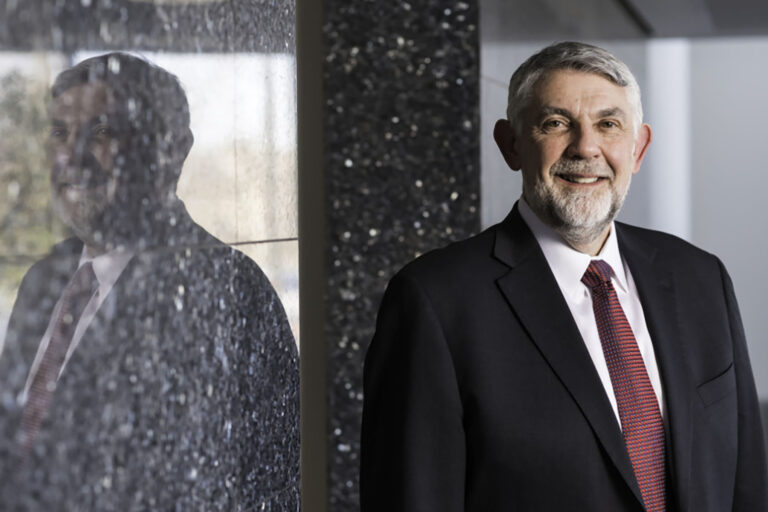
Christopher Deeney Appointed Laboratory Director
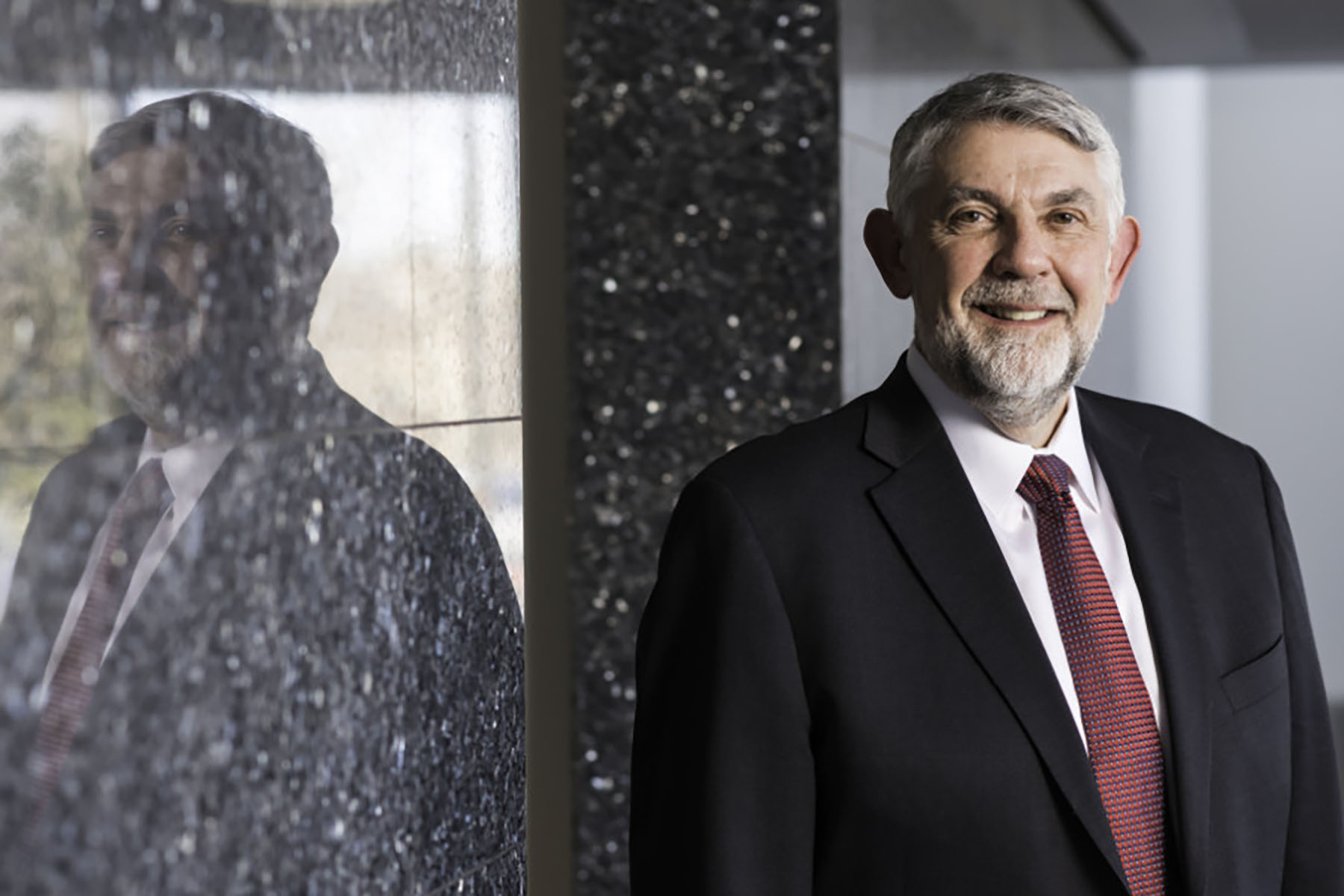
Dr. Christopher Deeney was named as the new Director of the Laboratory for Laser Energetics in May 2022. He previously served as Chief Science and Technology Officer, National Security Directorate, at Pacific Northwest National Laboratory, in addition to his years of experience at the Nevada National Security Site as a Vice President and Chief Technology Officer. He managed the almost $2 billion research and development portfolio for the National Nuclear Security Administration. As a researcher and senior manager, he worked at Sandia National Laboratories. He is a Fellow of the American Physical Society and the Institute of Electrical and Electronic Engineers.
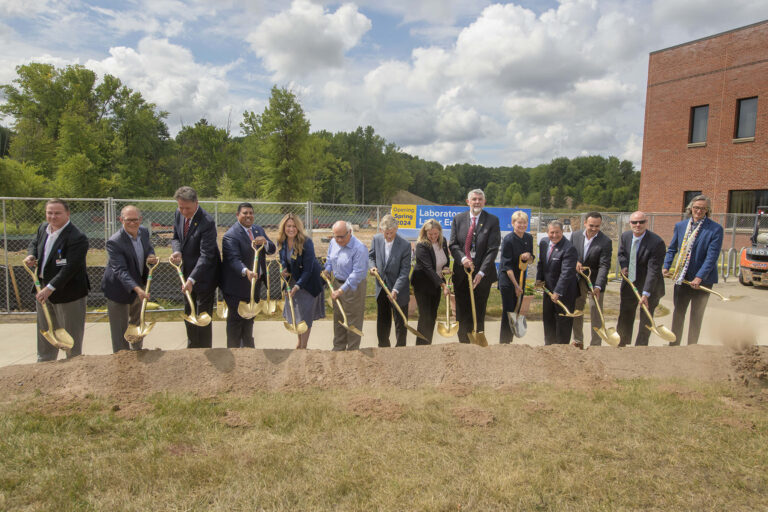
Groundbreaking for the LLE Building Expansion
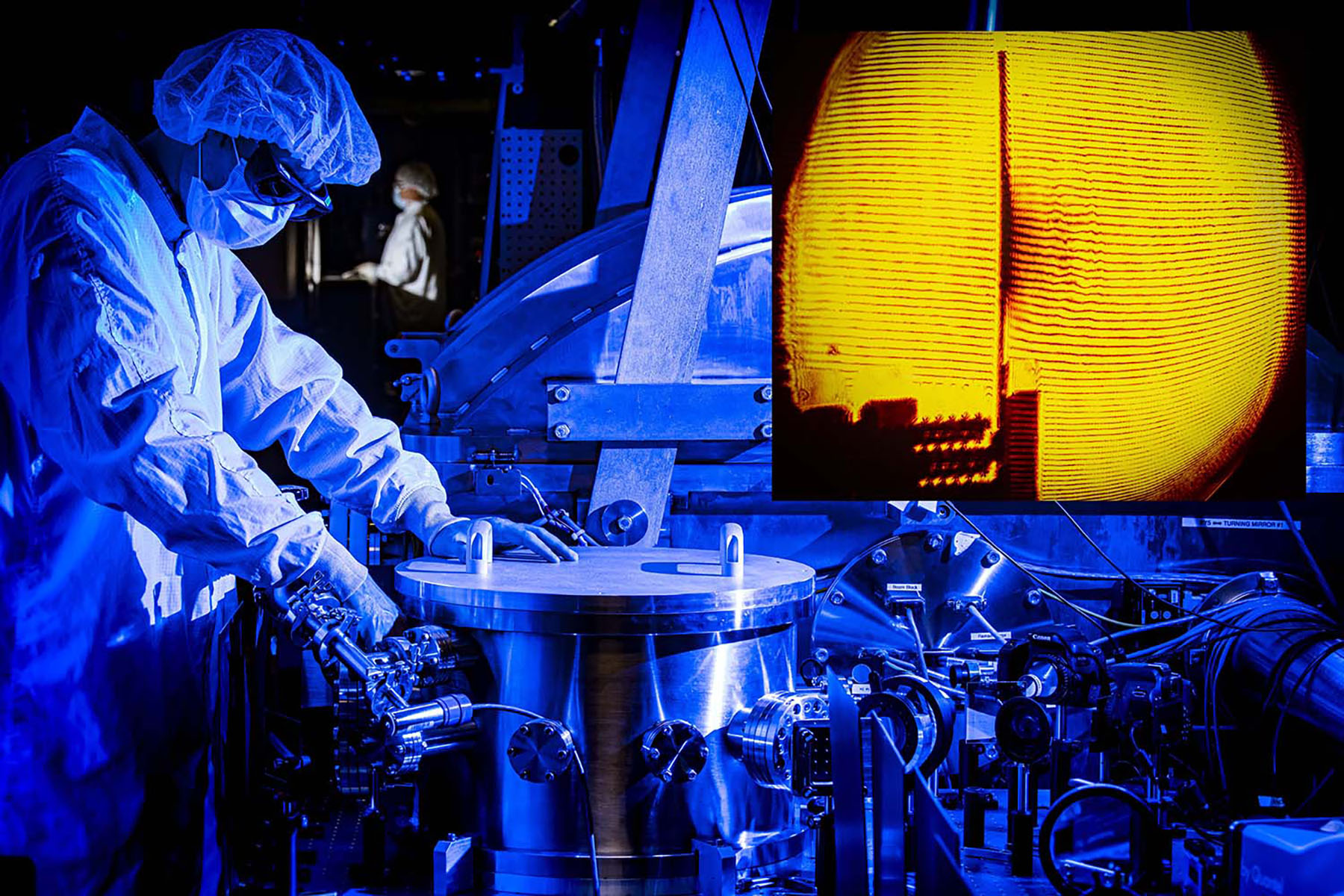
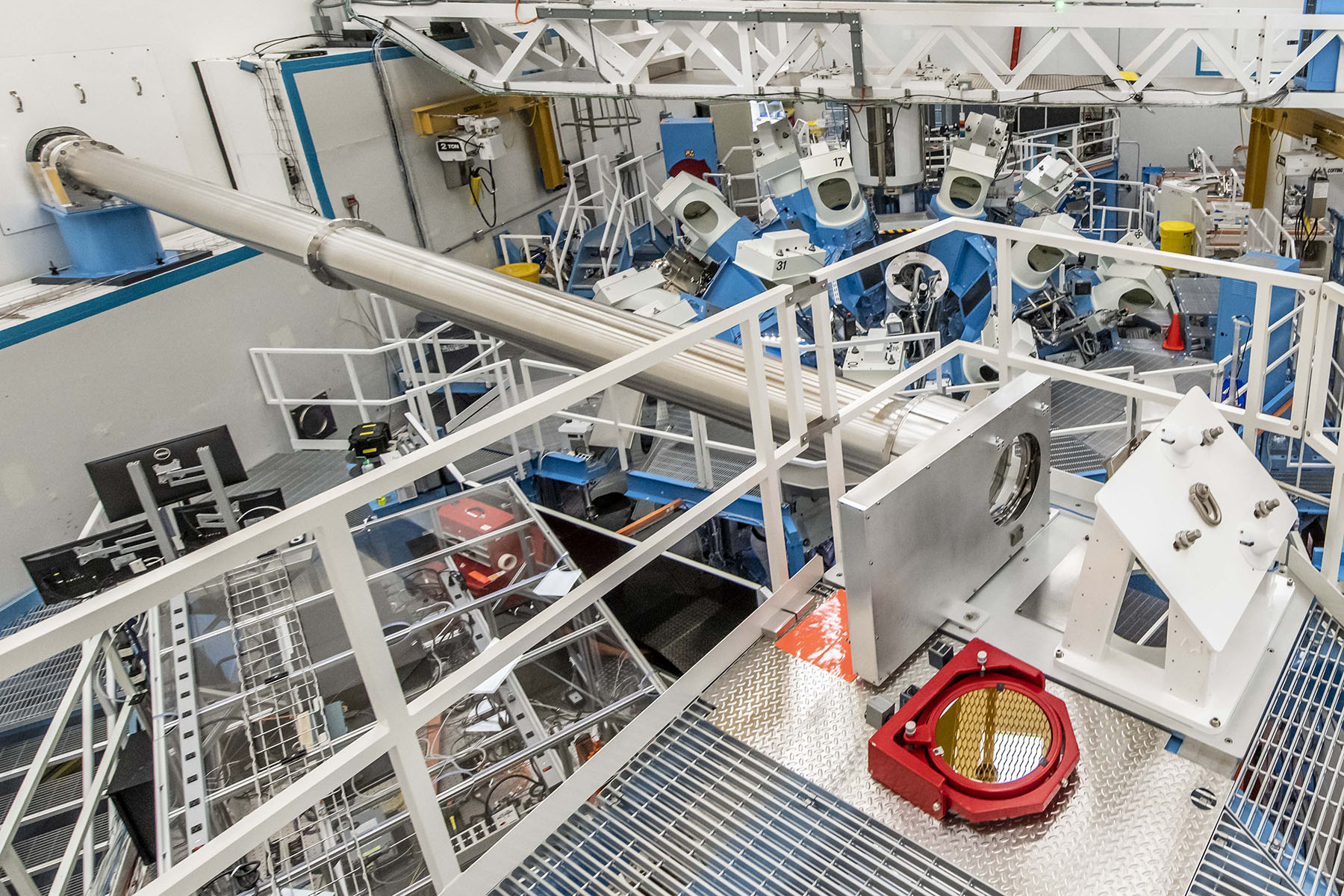
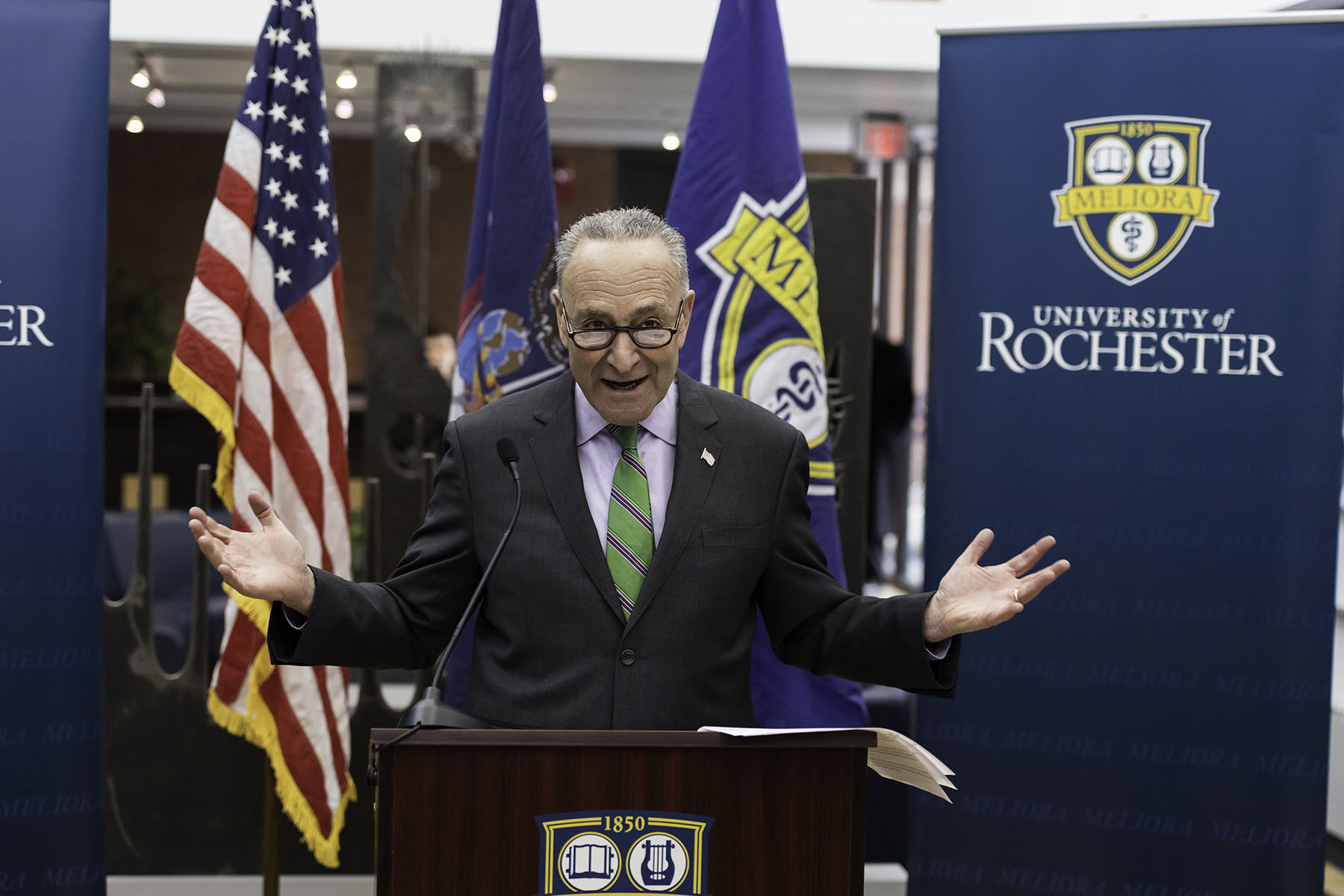
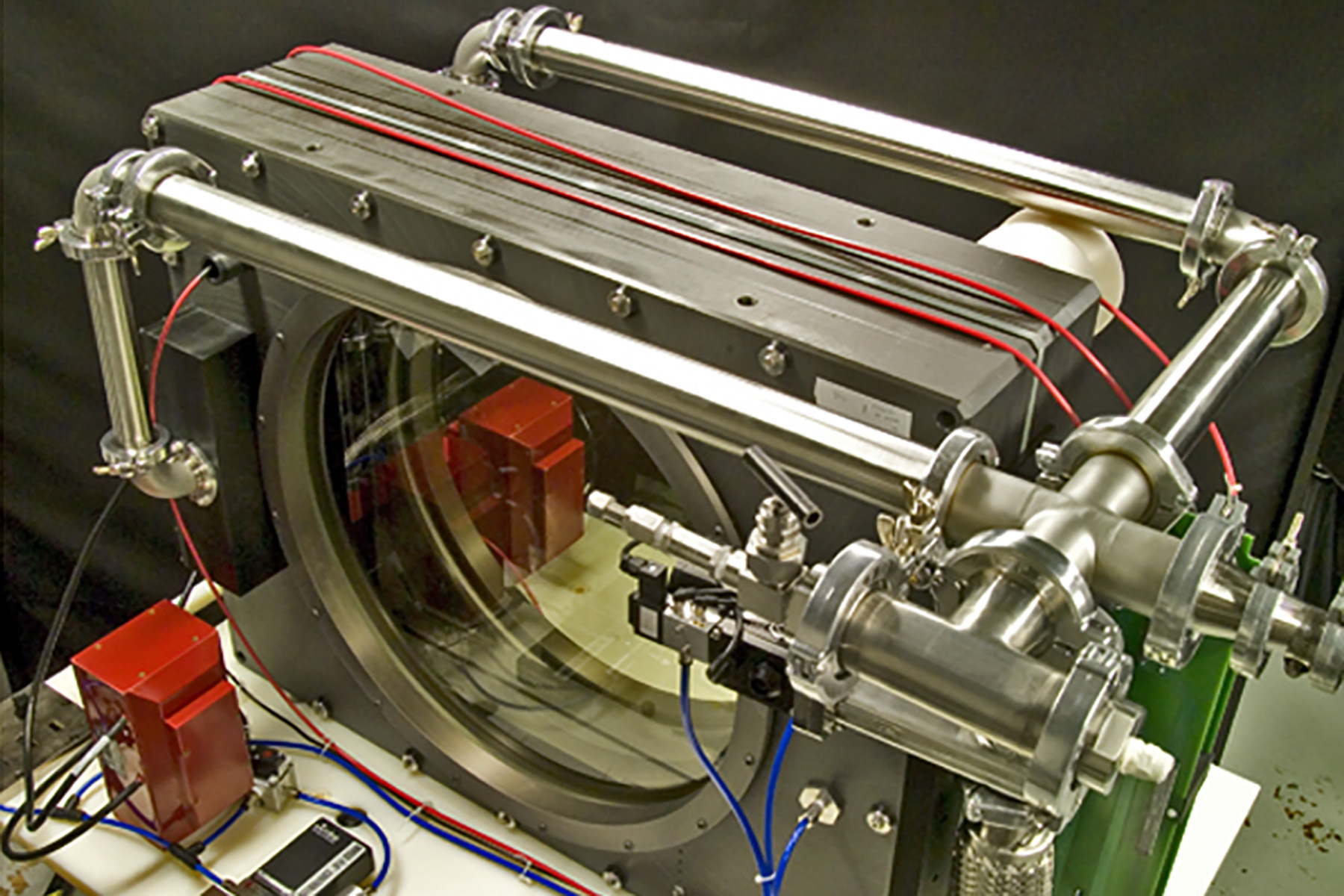
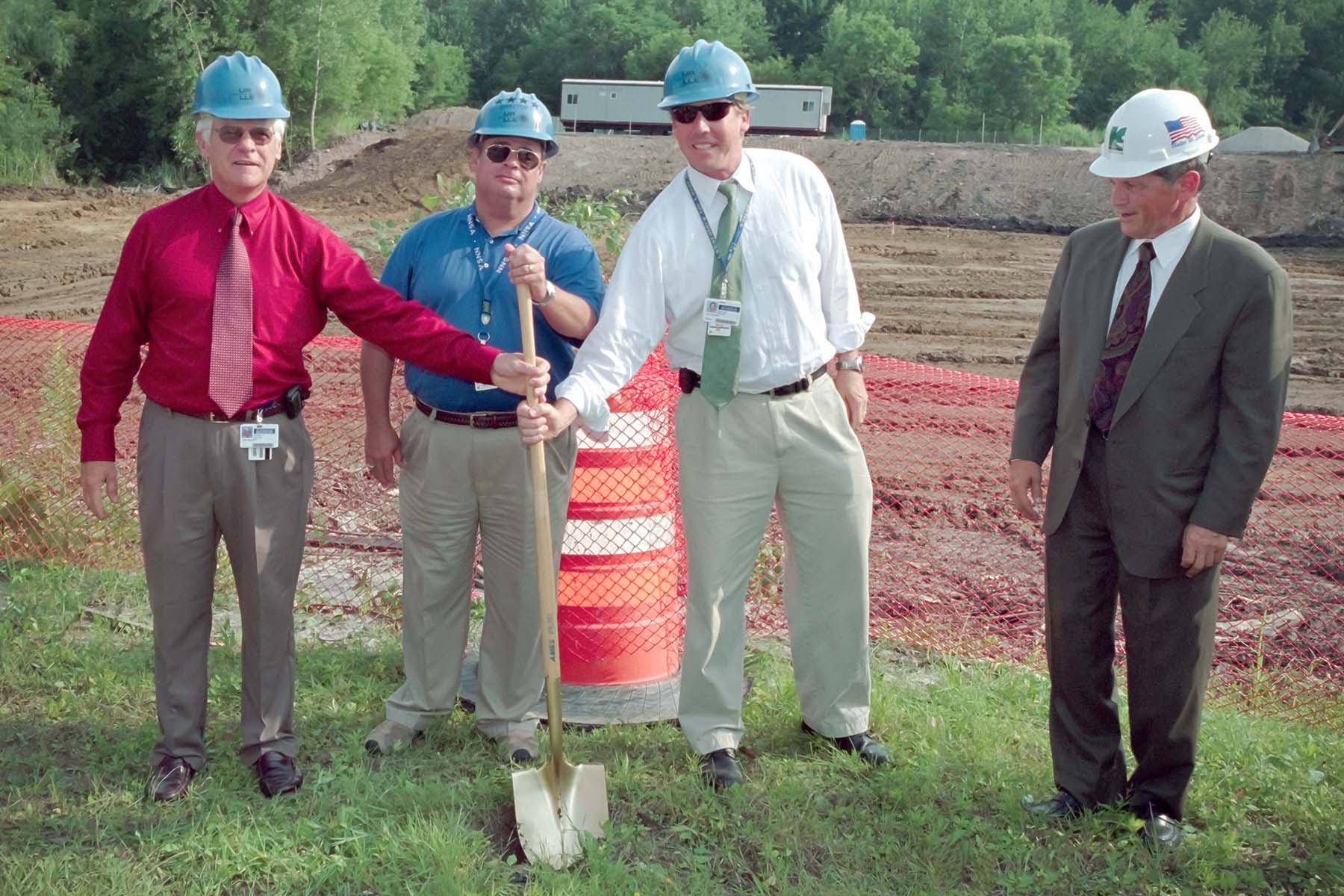
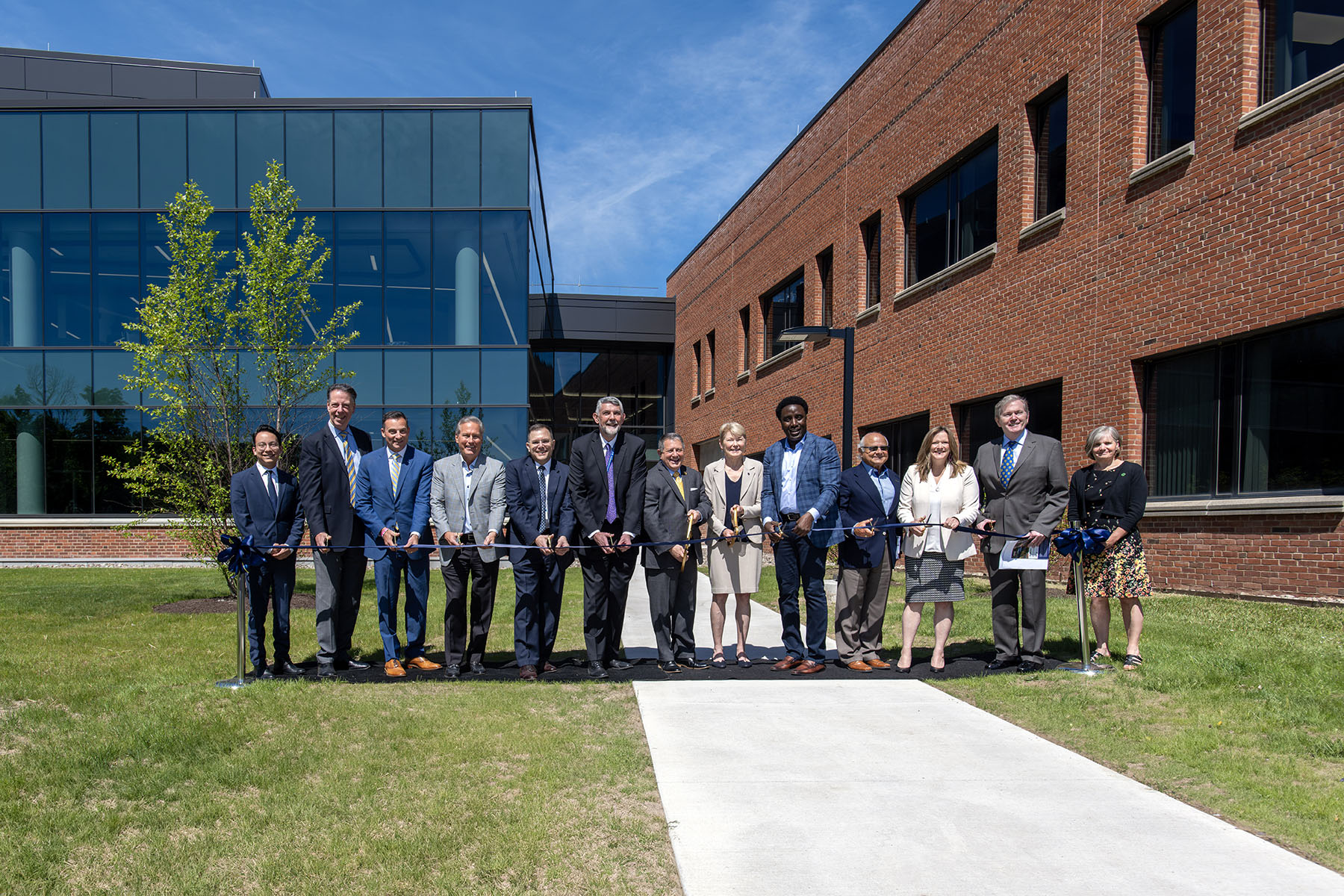
LLE broke ground on a $42 million, 66,000-square-foot office and lab building expansion. A groundbreaking ceremony to celebrate the construction of the new addition to the LLE Complex occurred on August 17, 2022 with representatives from federal, state, and local offices. The new three-floor building will house lab and office space for approximately 110 scientists and LLE personnel and include a class-1000 target fabrication lab and thin-film coating lab, a laser computing facility, and several other wet lab and general lab spaces. The largest lab space will house the AMICA Laser System—a state-of-the-art, high-energy, long-pulse laser that scientists at LLE are assembling for Stanford University’s SLAC National Accelerator Laboratory Matter in Extreme Conditions Upgrade.
The Flash Center for Computational Science Moves to the University of Rochester
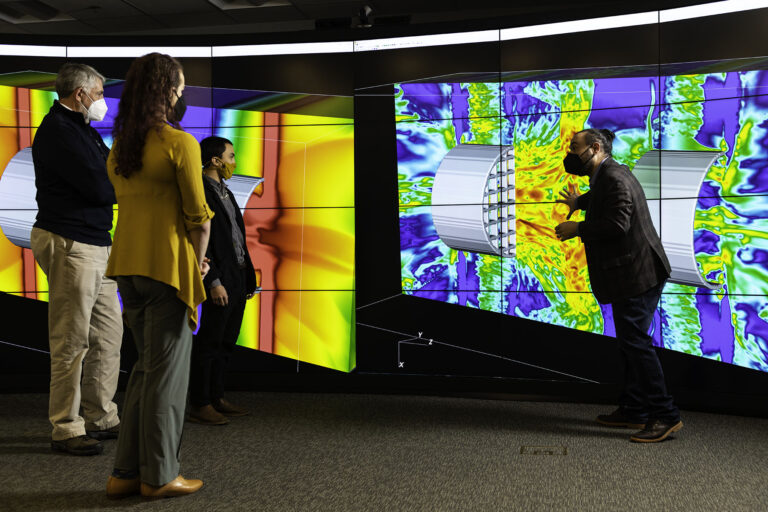
The Flash Center for Computational Science moved from the University of Chicago to the Dept. of Physics and Astronomy at the University of Rochester. The Flash Center is home to several cross-disciplinary computational physics research projects, anchored by the development and stewardship of the FLASH code used for modeling and simulation in a broad range of applications. Uses span from plasma physics and astrophysics to computational fluid dynamics, high-energy-density physics, and fusion energy research, for example in J. Meinecke et al., “Strong Suppression of Heat Conduction in a Laboratory Replica of a Galaxy-Cluster Turbulent Plasma,” Sci. Adv. 8, eabj6799 (2022). The Center will further enhance the campus interactions and research with LLE. A new version of the code, FLASH v4.7 was released that includes several novel code units that enable, for the first time, simulations of pulsed-power experiments.
LLE’s Diversity, Equity, and Inclusion Council
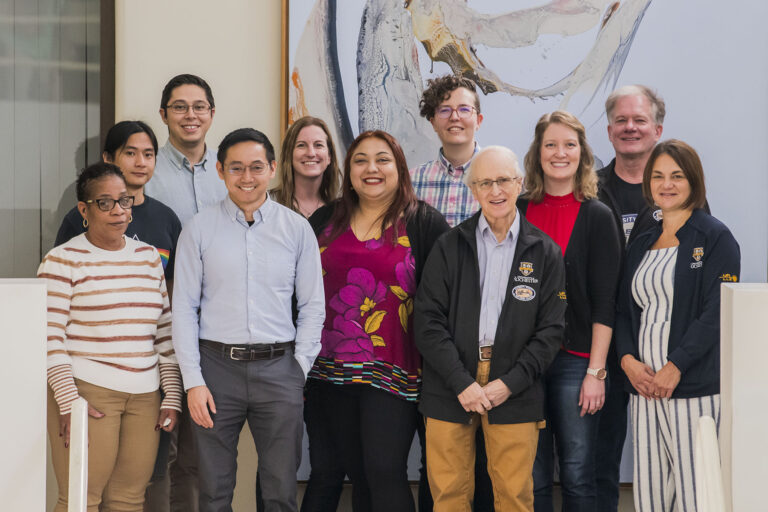
LLE’s Diversity, Equity, and Inclusion (DEI) Council, in its second year at LLE, formalized their charter, established a web page and print documents, and continues to provide events and outreach to the University and LLE employees to forward their mission. This includes the Broad Exposure to Science and Technology (BEST) Program, which returned in 2022 to engage underrepresented RCSD high school students and teachers in the sciences and technologies that support LLE’s research. The DEI Council mission is to enact a cultural shift that prioritizes acceptance, inclusion, and equity by working toward systemic change, advocating for equal opportunity, and creating a more-diverse workforce. A disproportional lack of representation and opportunities exists for Women, Black and Indigenous people, and other People of Color, which creates the need to effectively support those with historically marginalized experiences and their intersecting identities. We strive to promote a clear understanding of equity and diversity by educating our community and fostering inclusion in our workforce across race, gender, sexual orientation, ability, class, age, ethnicity, and education level. We are committed to achieving a climate of acceptance and inclusion, where diversity is celebrated.
LLE Research Points Toward an Improved Understanding of Dense-Plasma Environments
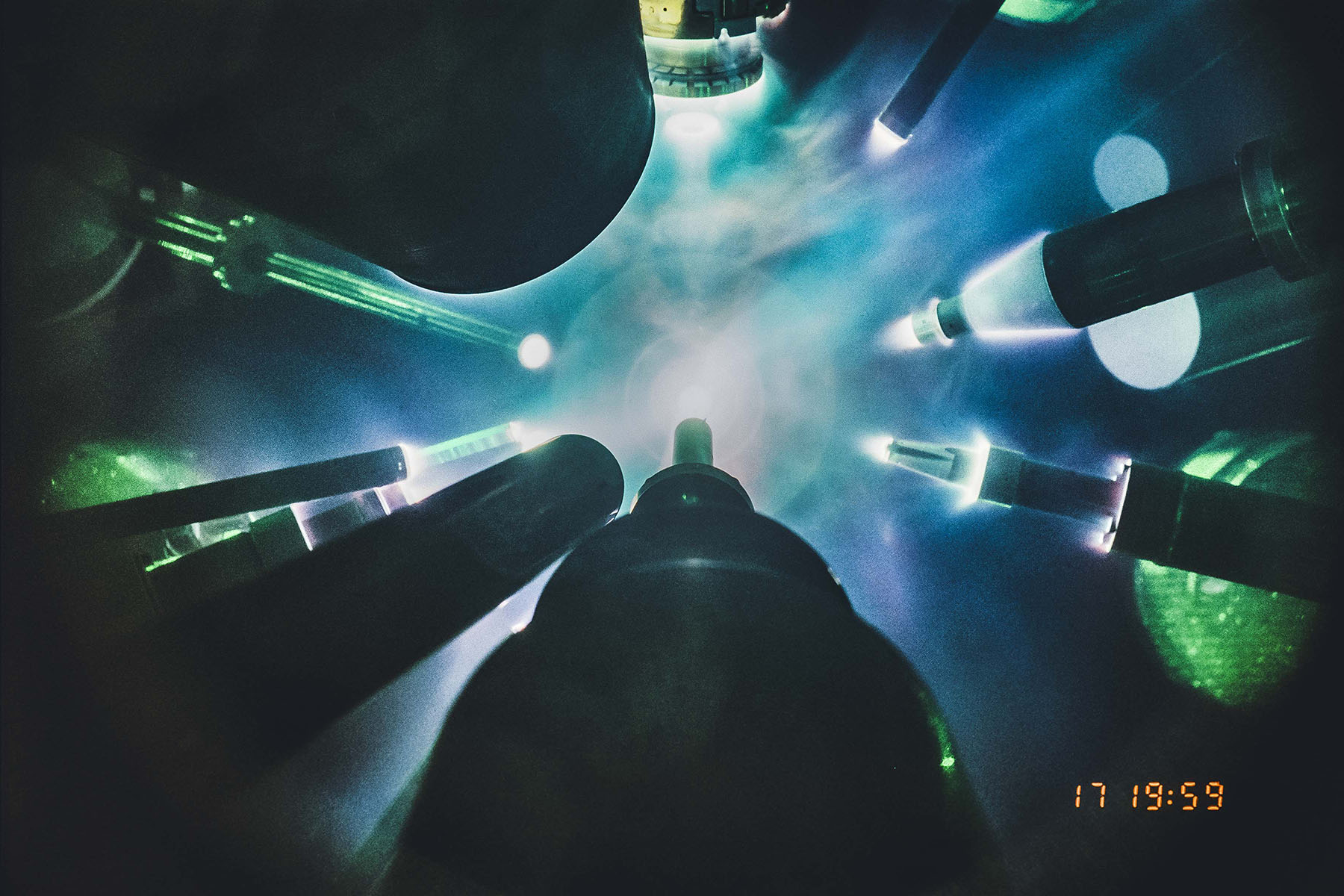
Joint theoretical and experimental x-ray spectroscopy research on how radiation is generated and transported in dense plasmas, led by Suxing Hu and Philip Nilson, provides new insight into the behavior of atoms at extreme conditions. This research was featured in a recent paper published in Nature Communications.* The researchers used laser-driven implosions to investigate the behavior of atoms at several billion atmospheres—conditions similar to those found in stars and inertial fusion targets. The research shows the necessity and viability of modeling dense-plasma environments with an approach based on density functional theory (DFT), rather than theories used in more-traditional plasma-physics models. These results directly inform the accuracy and future development of radiation generation and transport simulations used to describe stellar evolution and the design of inertial fusion targets.
*S. X. Hu et al., “Probing Atomic Physics at Ultrahigh Pressure Using Laser-Driven implosions,” Nat. Commun. 13, 6780 (2022).