
Timeline
2019
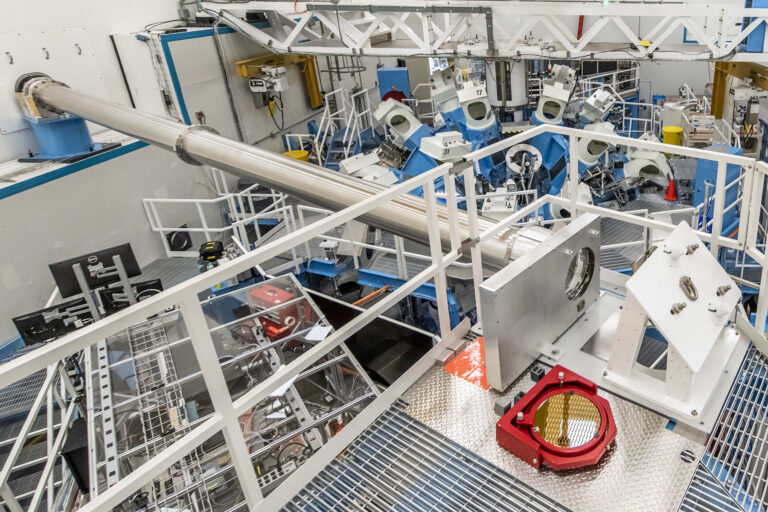
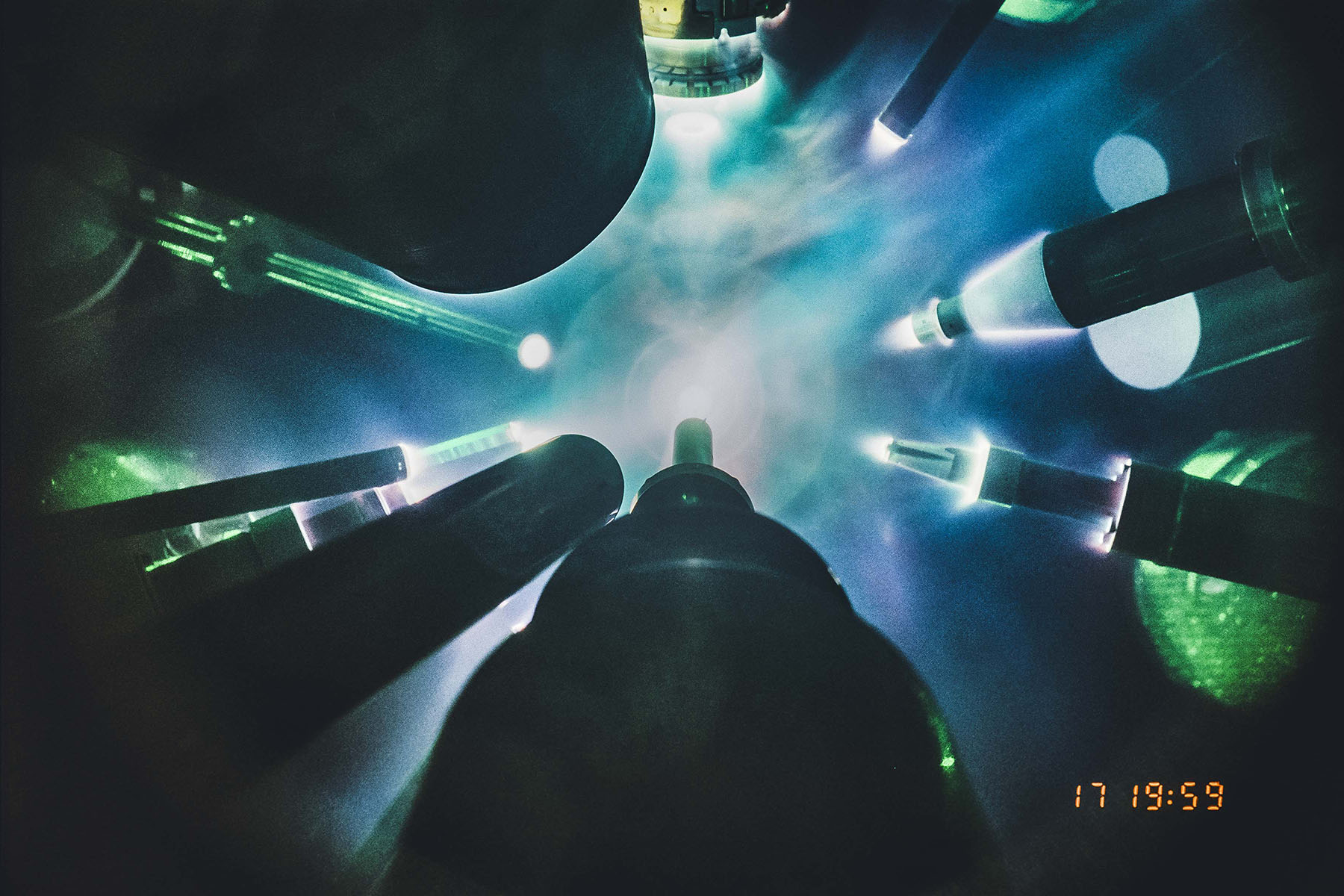
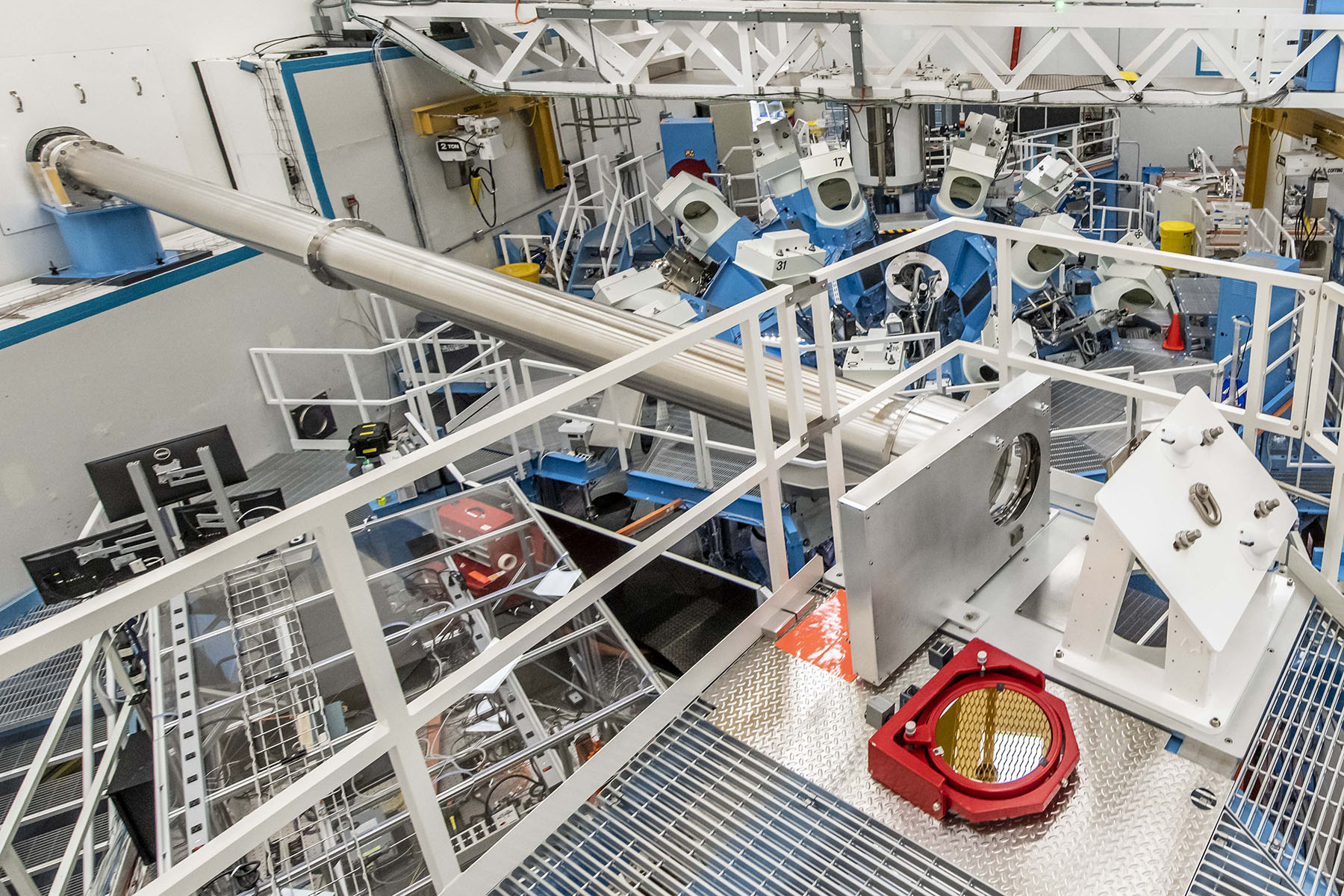
Tunable OMEGA P9 (TOP9) Platform
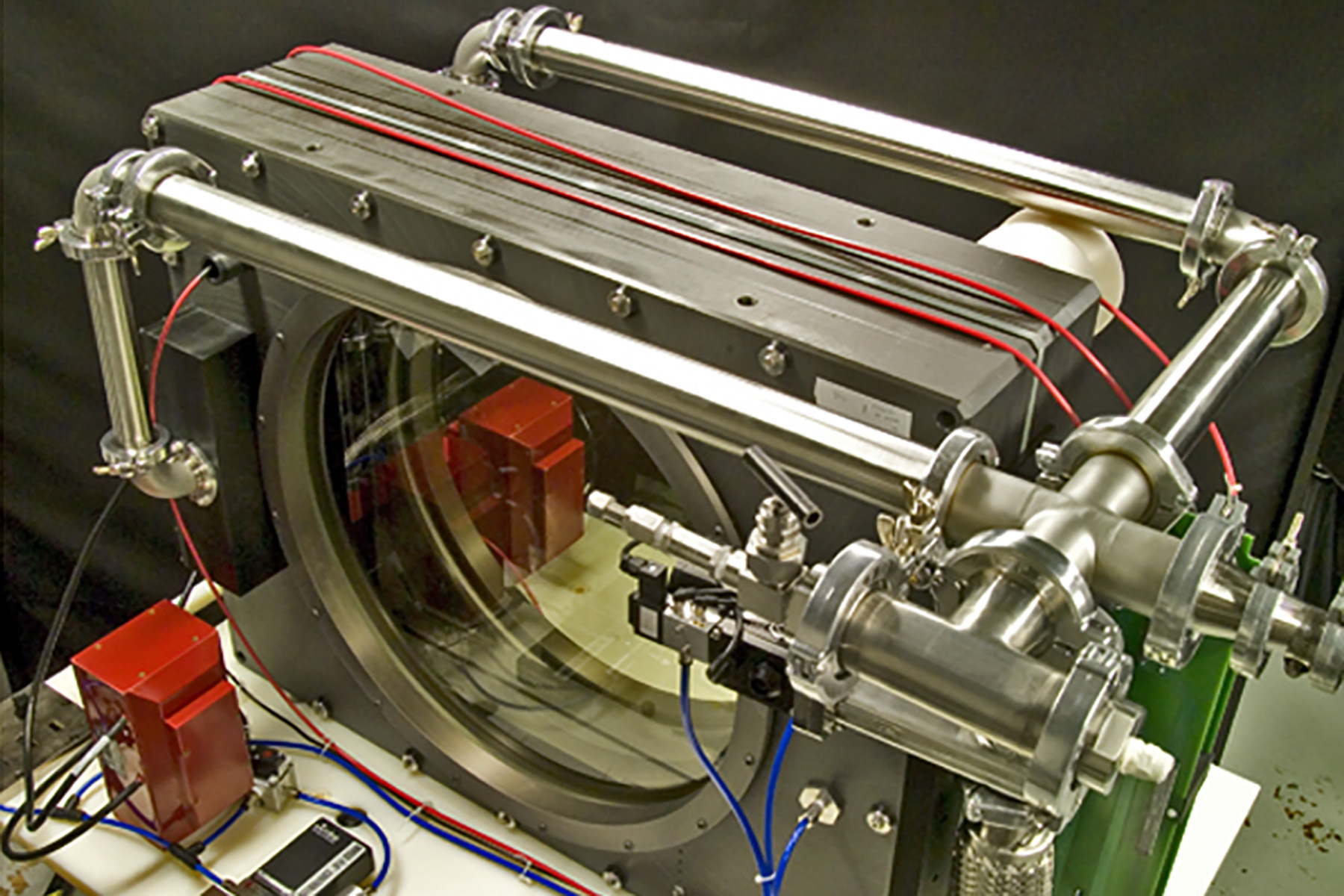
“Impact of the Langdon Effect on Crossed-Beam Energy Transfer” was published in the journal Nature Physics. The paper highlights research conducted on OMEGA utilizing the newly available OMEGA port 9 (TOP9) platform that will enhance the accuracy of implosion simulations by improving the predictive capability of cross-beam energy transfer (CBET) modeling.
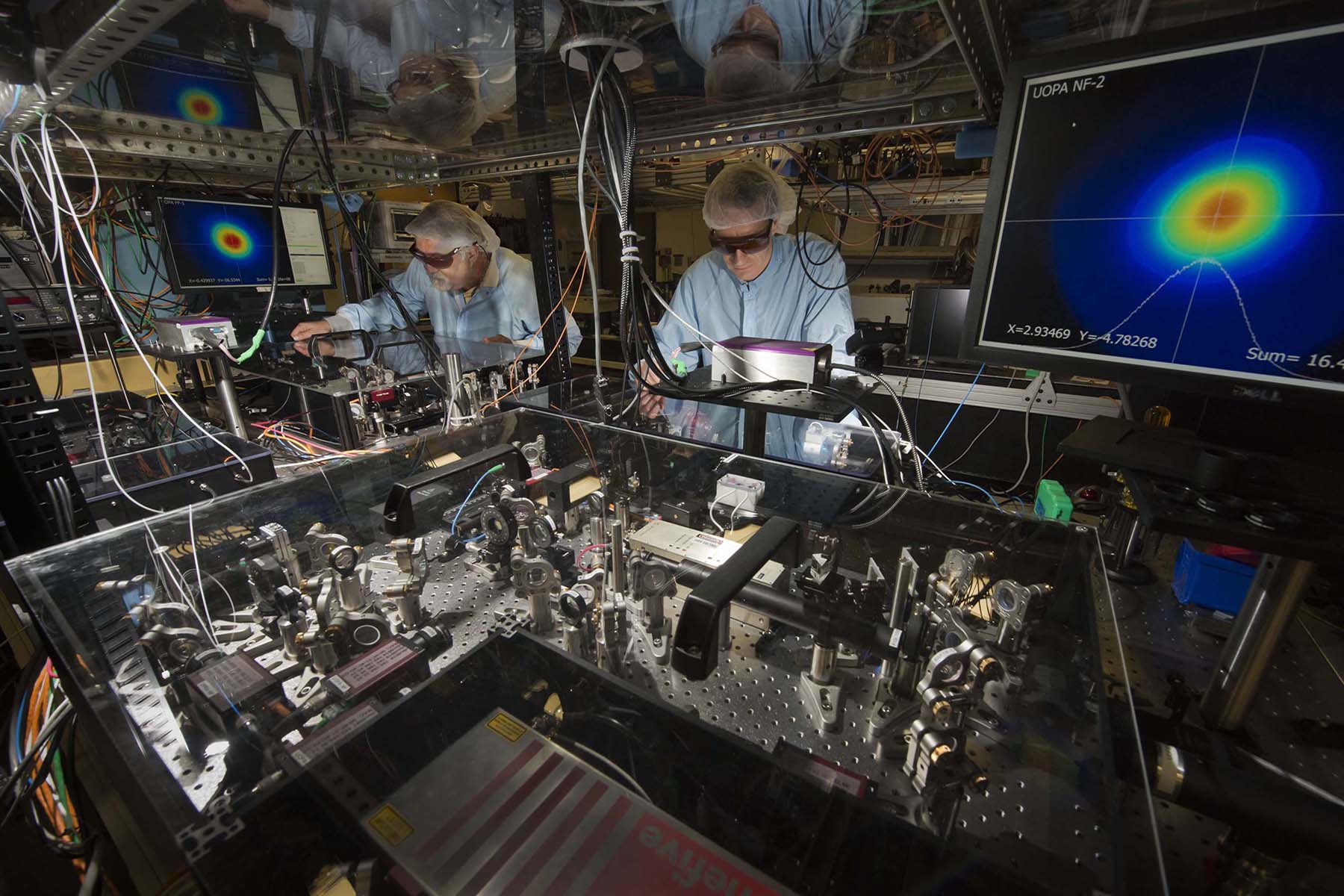
TOP9, a wavelength-tunable OMEGA EP laser beam, was built to study CBET into well-characterized stationary plasmas. The TOP9 system will enable robust tests of integrated CBET hydrodynamic models and demonstrate CBET mitigation using wavelength shifting. The beamline can deliver up to 0.5 TW in pulses as long as 1 ns in duration or 0.1 TW for pulse widths up to 2.5 ns with a wavelength that is tunable from 350.2 to 353.4 nm.
D. Turnbull et al., Nat. Phys. 16, 181 (2020).
Second Line-of-Sight Project
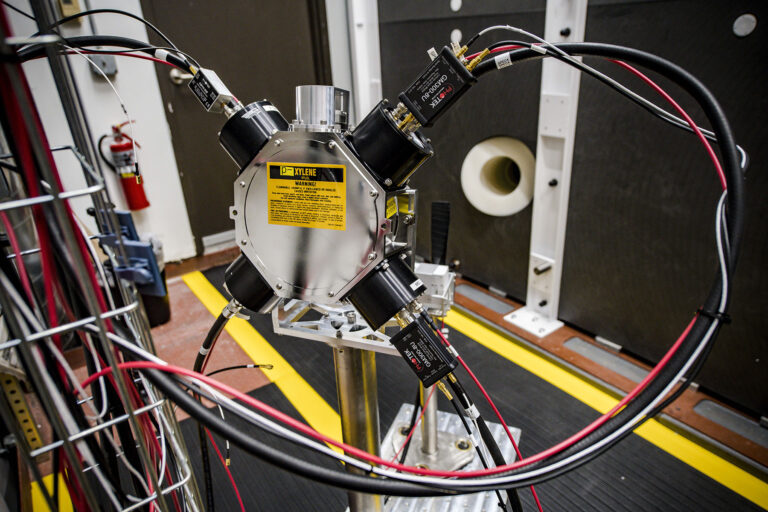
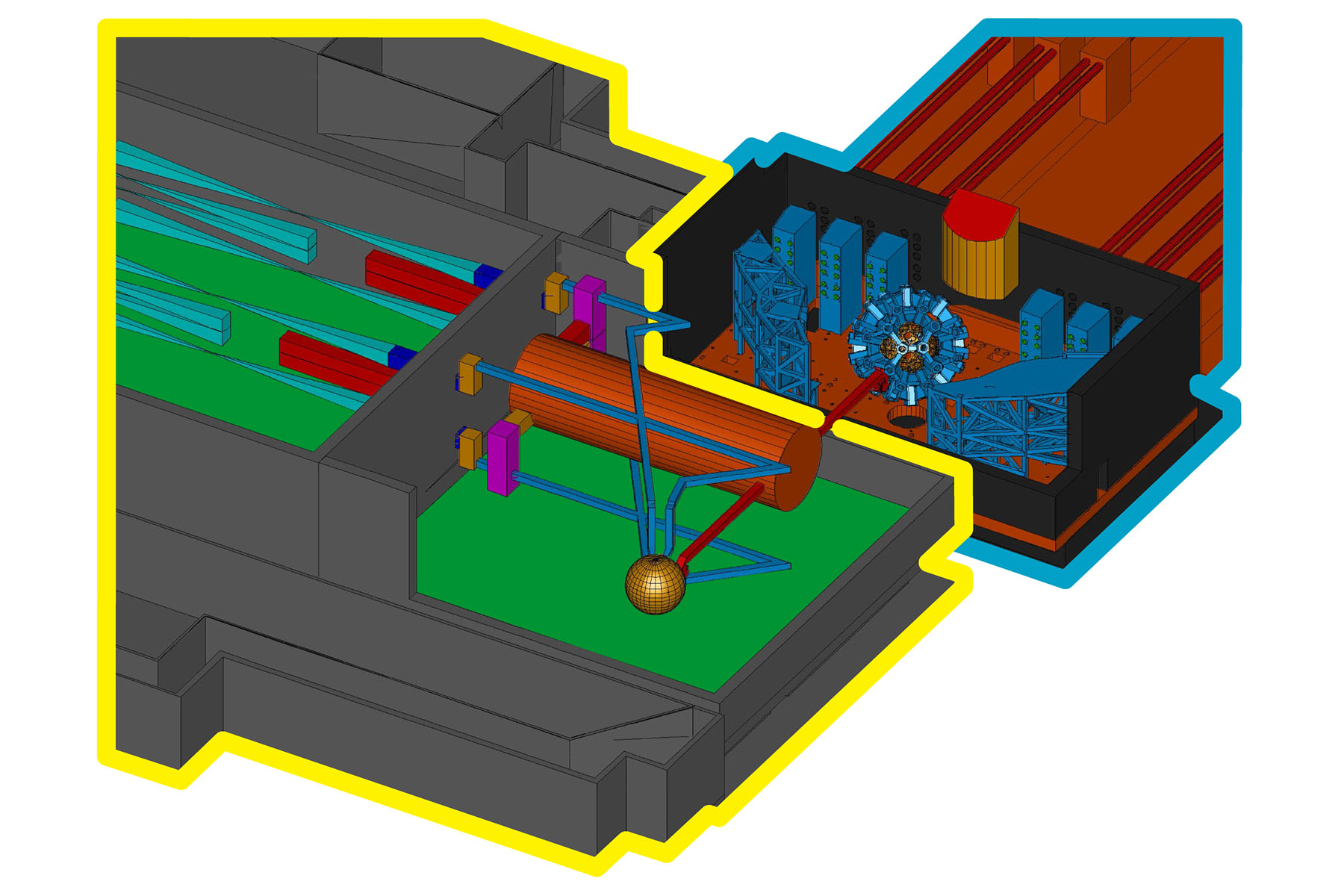
Two new neutron time-of-flight (nTOF) spectrometers were designed and constructed along a clear line of sight to the OMEGA target chamber. These diagnostics measure several key experimental parameters that are essential to diagnosing the performance of cryogenic DT implosions. The data collected are used to diagnose and characterize the extent of the asymmetric compression of hot spots in OMEGA implosions.
Research Conducted at Omega Wins Dawson Award
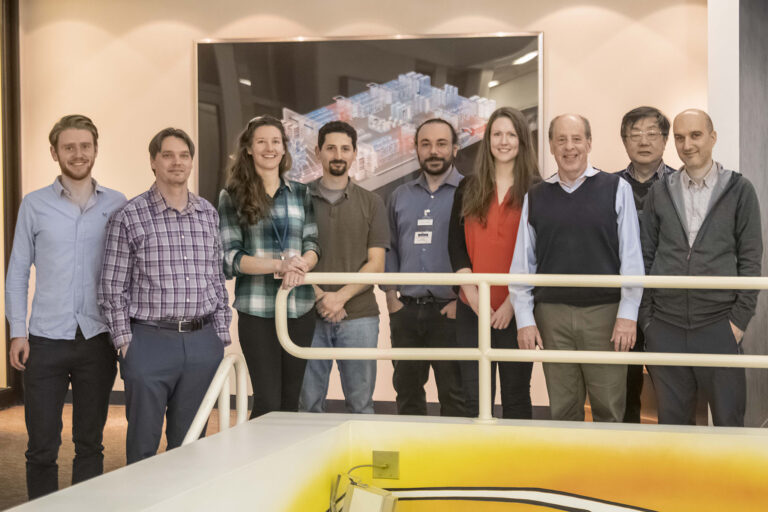
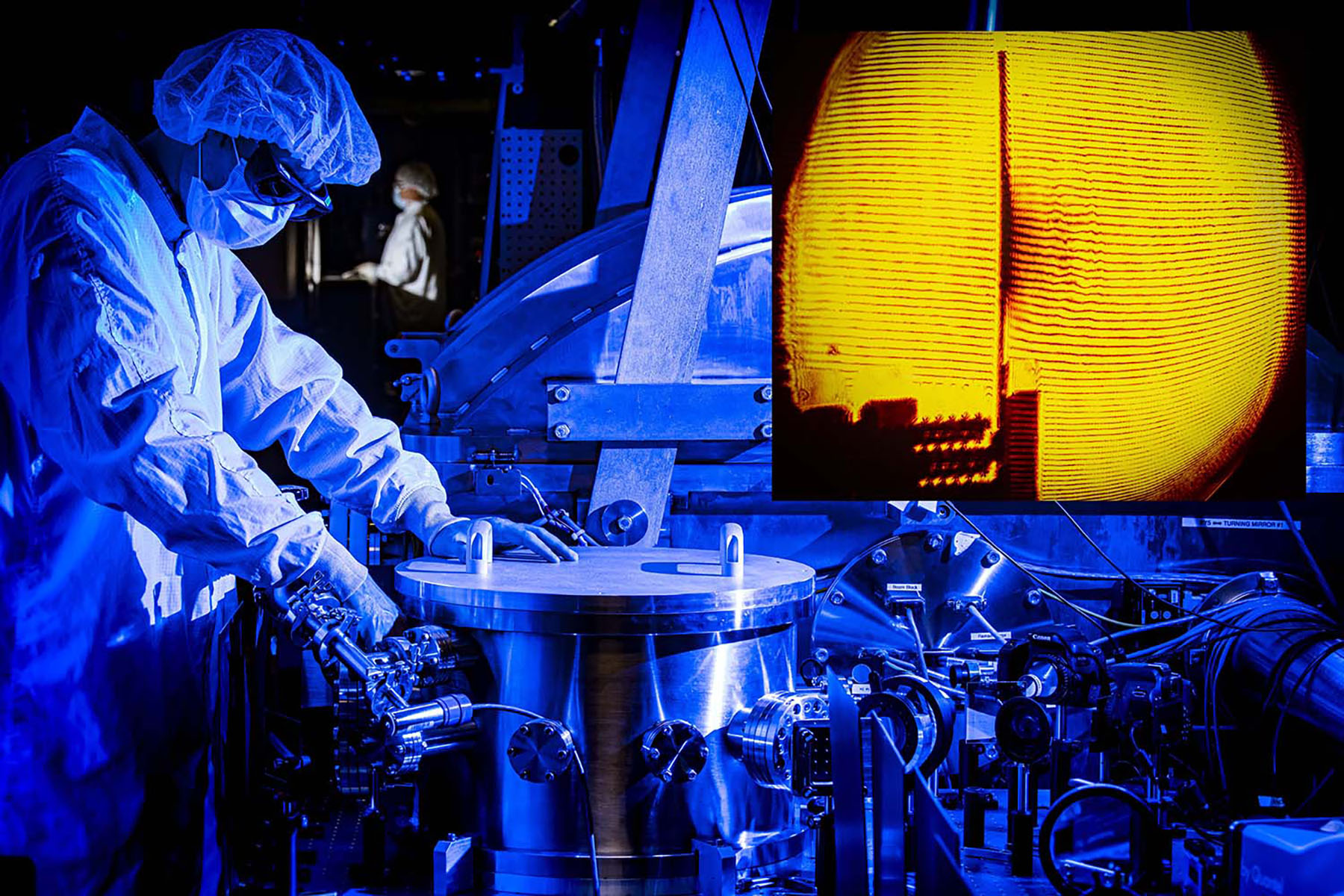
Research conducted at the Omega Laser Facility by the University of Chicago, University of Oxford, and LLE won the prestigious John Dawson Award for Excellence in Plasma Physics Research from the American Physical Society. The award is in recognition of “innovative experiments that demonstrate turbulent dynamo in the laboratory, establishing laboratory experiments as a component in the study of turbulent magnetized plasmas, and opening a new path to laboratory investigations of other astrophysical processes.” The recipients include Donald Lamb and Petros Tzeferacos (University of Chicago, Flash Center for Computational Science), Dustin Froula (University of Rochester, Laboratory for Laser Energetics), Alexander Schekochihin (not pictured) and Gianluca Gregori (University of Oxford, Clarendon Laboratory).
First LaserNetUS Experiment at LLE
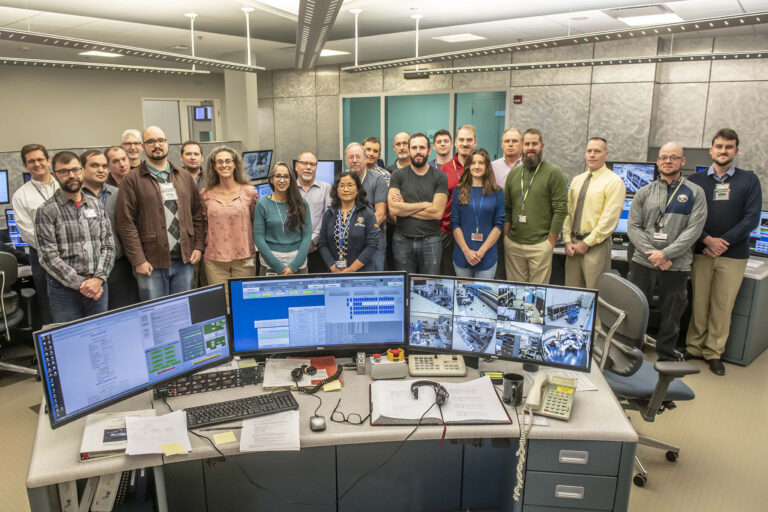
As part of the new LaserNetUS program to provide users increased access to unique high-intensity laser facilities, scientists from Johns Hopkins University, University of Michigan, and Los Alamos National Laboratory performed the program’s first experiments using the OMEGA EP Laser System on November 20, 2019. In addition to the University of Rochester, accessible network facilities include The University of Texas at Austin, The Ohio State University, Colorado State University, University of Michigan, University of Nebraska-Lincoln, SLAC, Berkeley Laboratory, Lawrence Livermore National Laboratory, and Canada’s Université du Québec. LaserNetUS was established by DOE’s Office of Fusion Energy Sciences in response to the 2018 National Academy of Sciences’ Report with regard to the US strategy in high-intensity laser research.
Evidence of Superionic Water Published in Nature
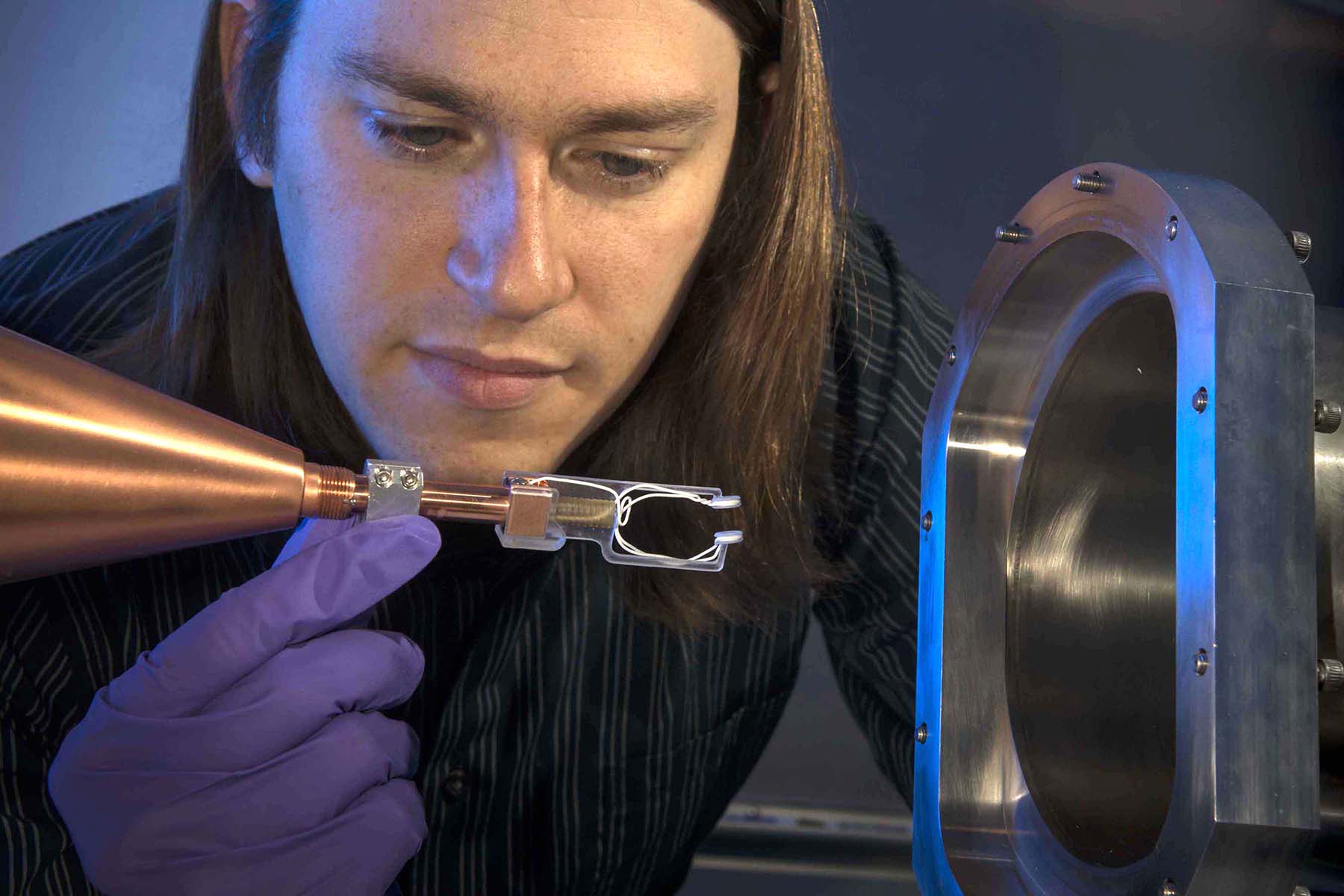
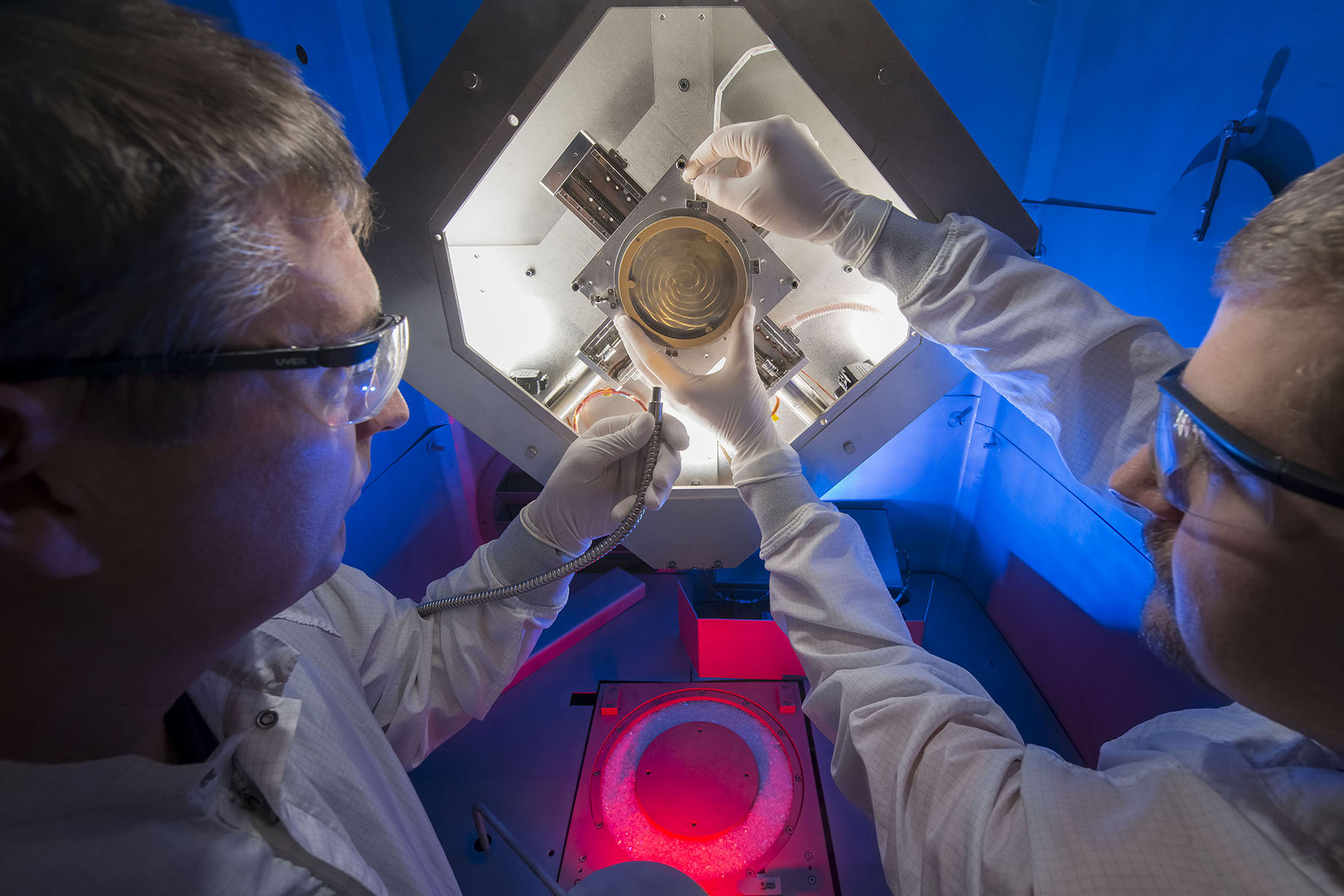
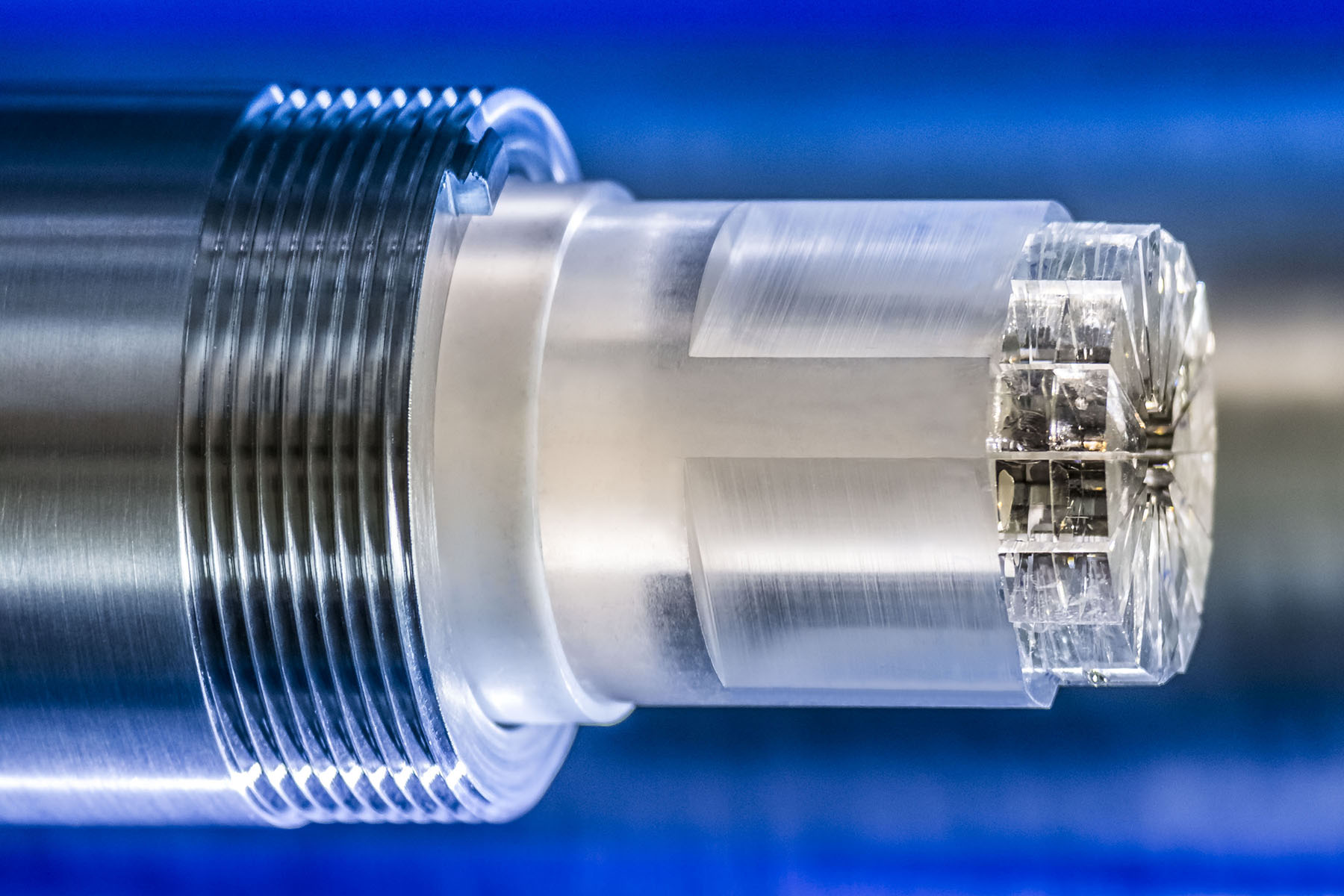
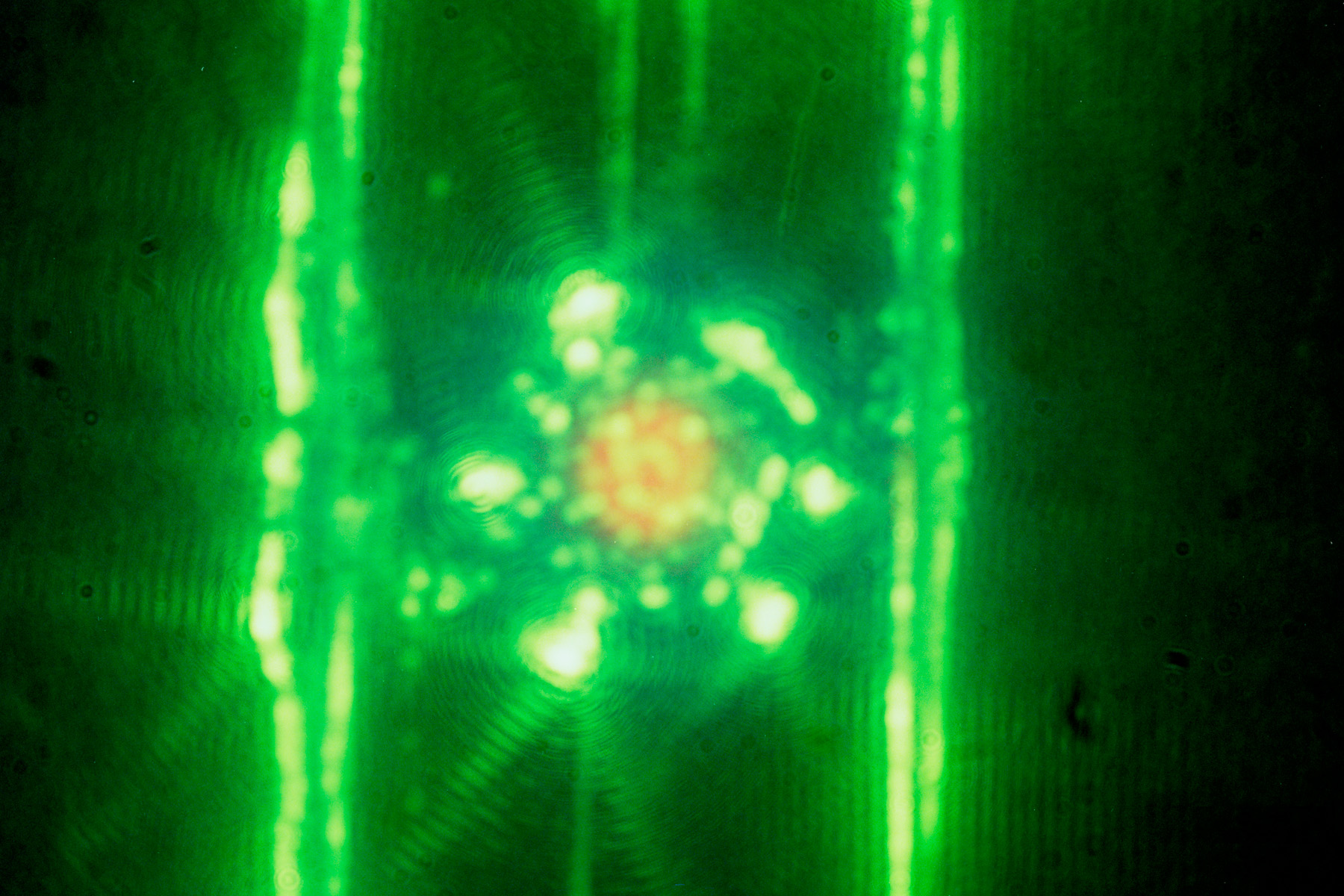
Researchers from Lawrence Livermore National Laboratory (LLNL) used the Omega Laser Facility to flash freeze water into an exotic water ice phase. Using x-ray diffraction, the superionic ice’s atomic structure was able to be directly identified for the first time. This research may give more insight into the interior structures of giant planets in our galaxy. The scientists used the powder x-ray diffraction image plate (PXRDIP) to record the data from the OMEGA experiments. PXRDIP allows the measurements of x-ray diffraction patterns of dynamically compressed materials in situ. This enabled characterization of the evolution of the atomic structure under high pressure, temperature, and strain rate. The research was performed as part of the Omega’s Laboratory Basic Science program at LLE.
M. Millot et al., Nature 569, 251 (2019).