Timeline
1989
Smoothing by Spectral Dispersion Invented
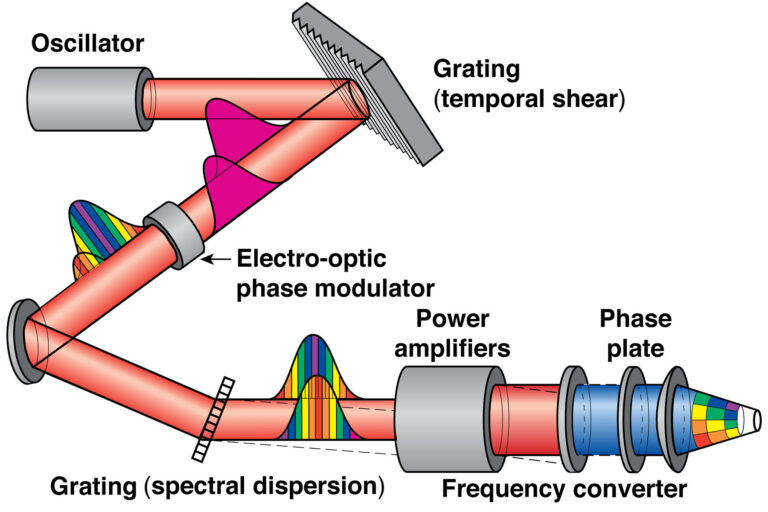
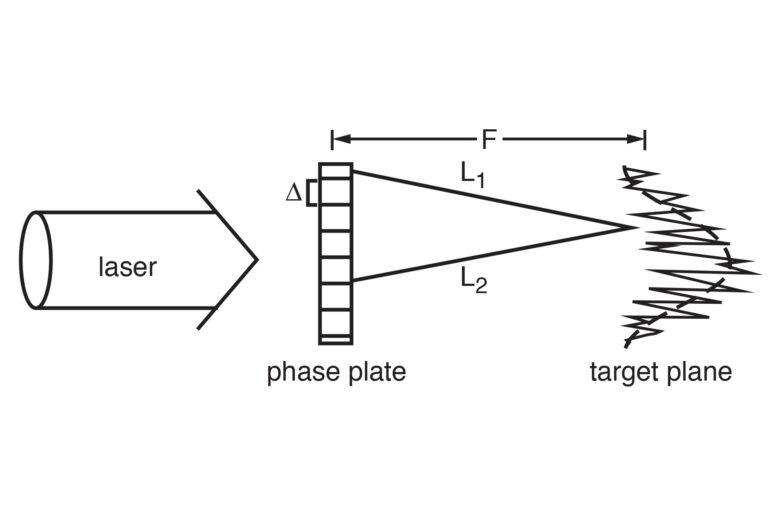
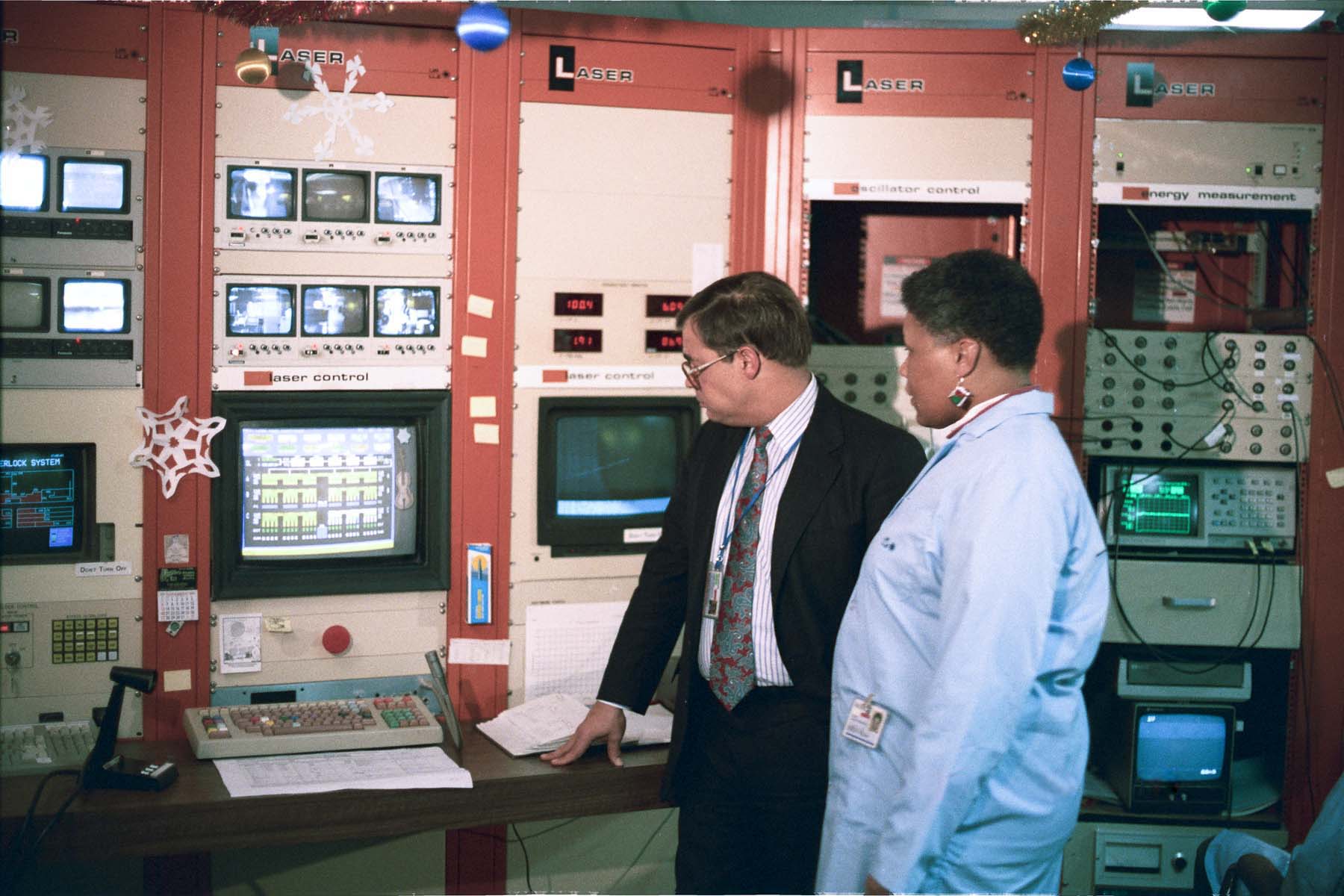
LLE scientists first pioneered smoothing by spectral dispersion (SSD) in 1989. This beam-smoothing technique is used to produce uniform beam profiles for high-power, frequency-tripled glass lasers. It paved the way for using OMEGA in direct-drive mode to explore ignition scaling of ICF capsules.
In October 1989, “Improved Laser-Beam Uniformity Using the Angular Dispersion of Frequency-Modulated Light,” by S. Skupsky et al., was published in the Journal of Applied Physics. The article detailed the SSD beam-smoothing technique now used on all Nd:glass fusion lasers. SSD became a universal solution to the uniformity issue of a glass laser system and was subsequently adopted on all major glass laser fusion facilities, including LMJ and the NIF.
S. Skupsky, R. W. Short, T. Kessler, R. S. Craxton, S. Letzring, and J. M. Soures, “Improved Laser-Beam Uniformity Using the Angular Dispersion of Frequency-Modulated Light, J. Appl. Phys. 66 (8), 3456–3462 (1989).
LLE Receives R&D Award
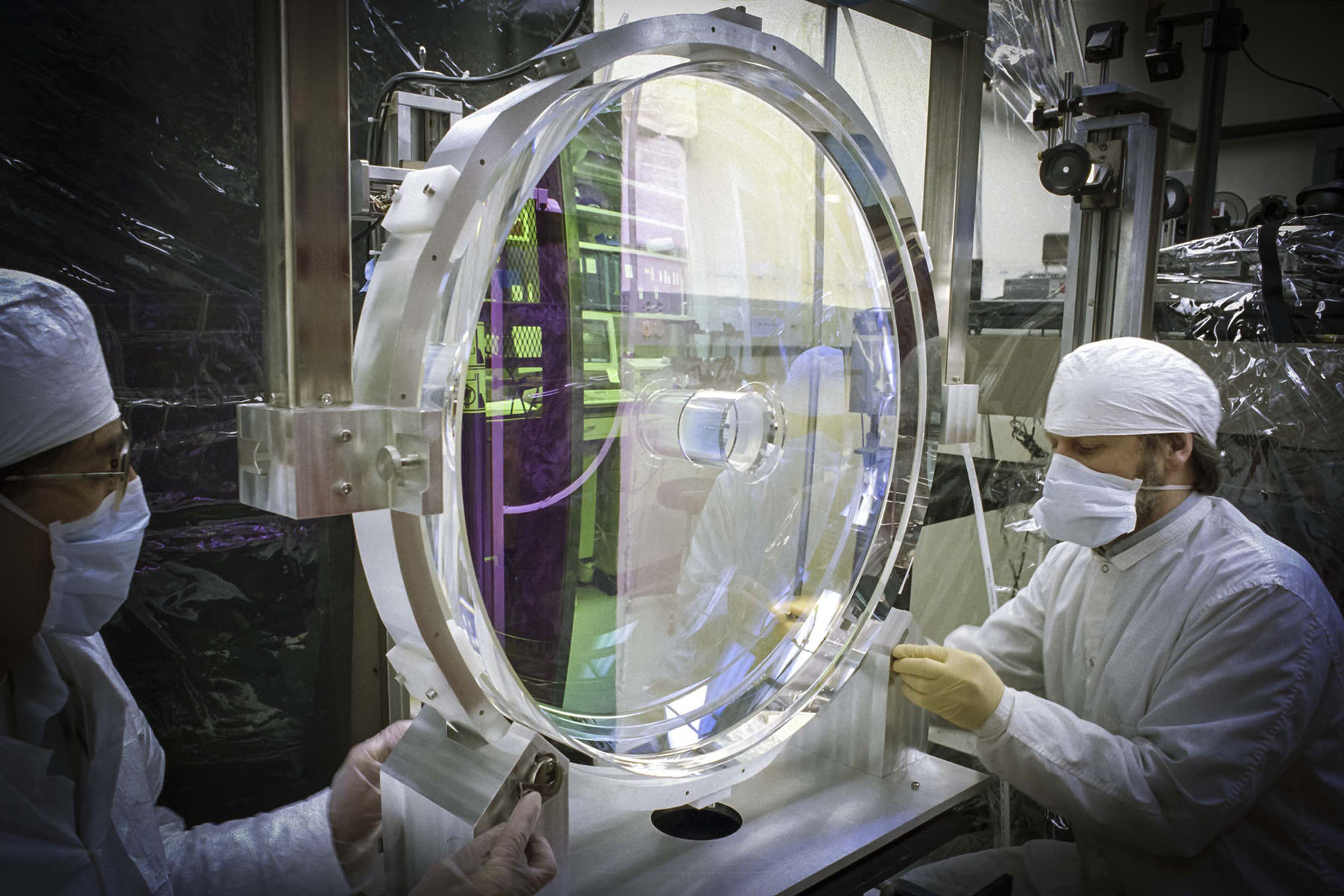
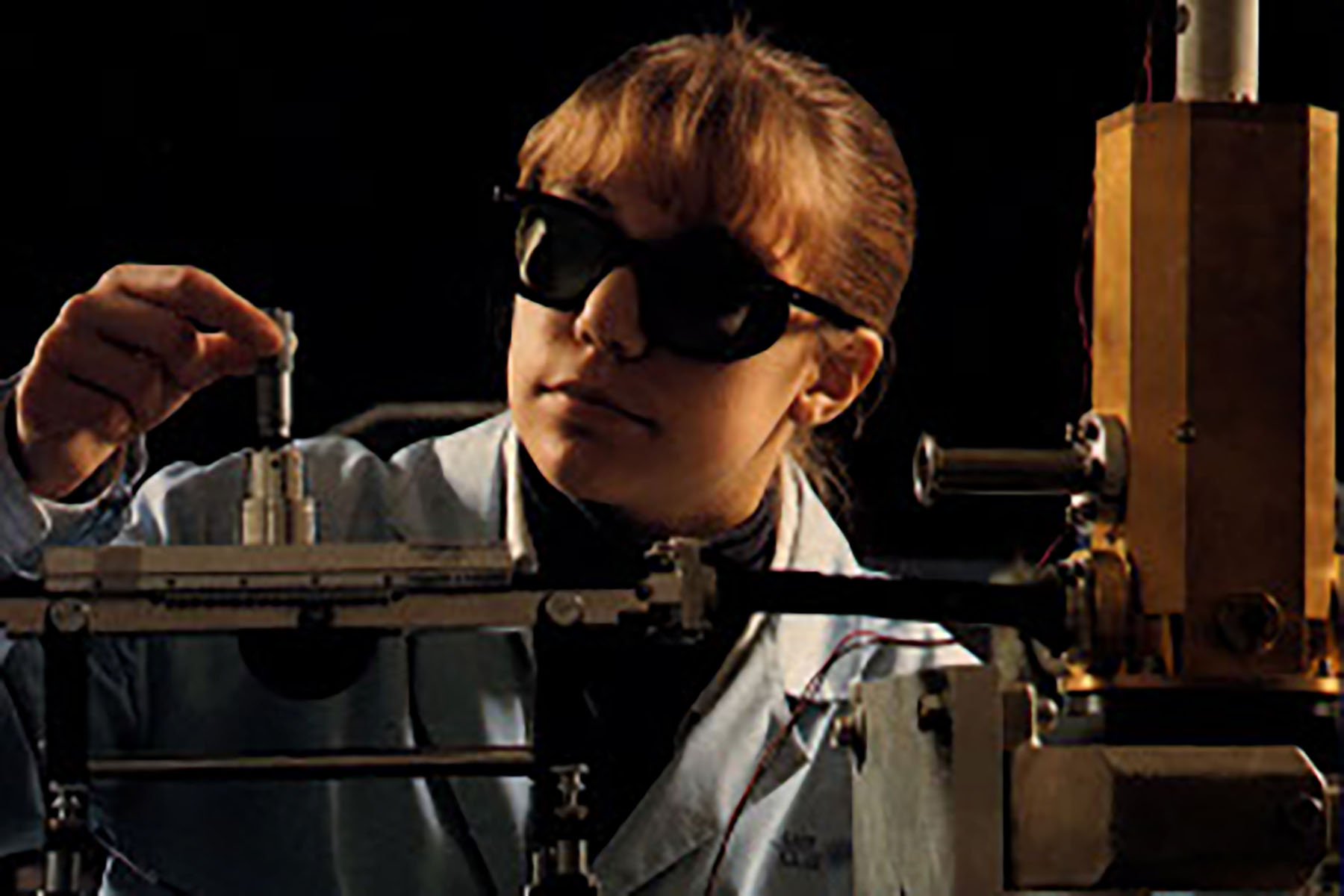
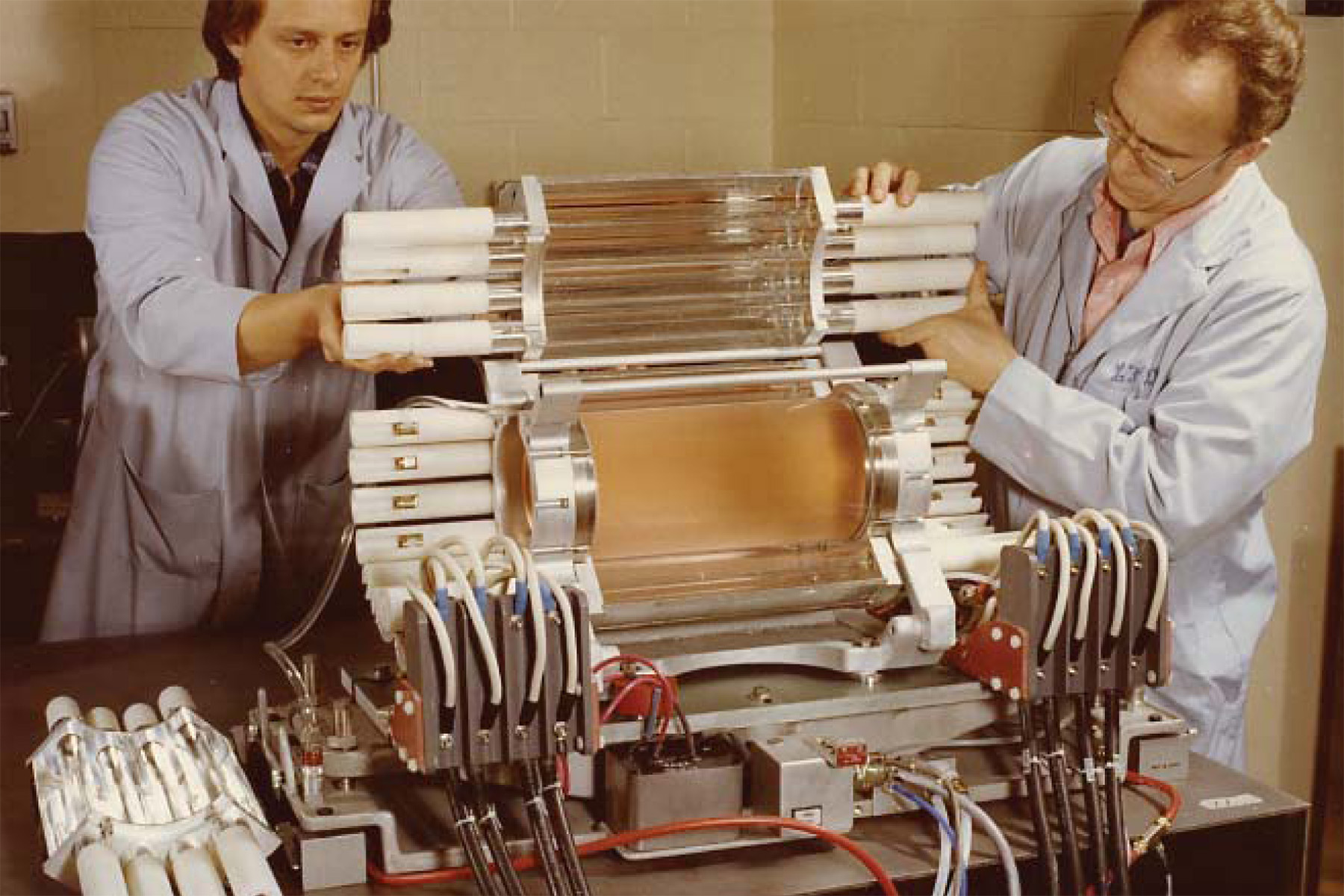
LLE’s Optical Materials Group received an R&D 100 Award from Research and Development magazine for a liquid crystal polarizer/isolator. The R&D 100 Award saluted the 100 most-technologically significant products introduced into the marketplace over the previous year.
National Academy of Sciences (NAS) Review Recommends OMEGA Upgrade
In June 1989, Congress mandated a National Academy of Sciences review of the Inertial Confinement Fusion Program (ICF). The committee was chaired by Prof. S. Koonin of the California Institute of Technology. The committee commented that there was a reasonable chance for a laboratory ignition and gain demonstration within the decade, given favorable results from a few crucial, well-defined experiments. Further, the committee observed that the glass laser was the only viable candidate as a laser driver that could be used for an ignition demonstration within the proposed time frame. To implement this recommendation, the committee made four more sub-recommendations, including construction of the OMEGA Upgrade at LLE. The committee recommended that:
…the proposed OMEGA Upgrade be started immediately. It will contribute to the technology and physics expertise needed for an ignition demonstration through the Nova Upgrade. It will be able to explore the option that the Nova Upgrade be configured for direct drive.
The report also noted, “The LLE Program has been very productive, inventive, and cost effective; it is also an important university connection to ICF efforts in other countries.” Achievement of the high-density milestone and the implementation of SSD assured the approval of the OMEGA Upgrade.
“Second Review of the Department of Energy’s Inertial Confinement Fusion Program: Final Report,” National Academy of Sciences, Washington, DC (1990).
Summer High School Student Program Started
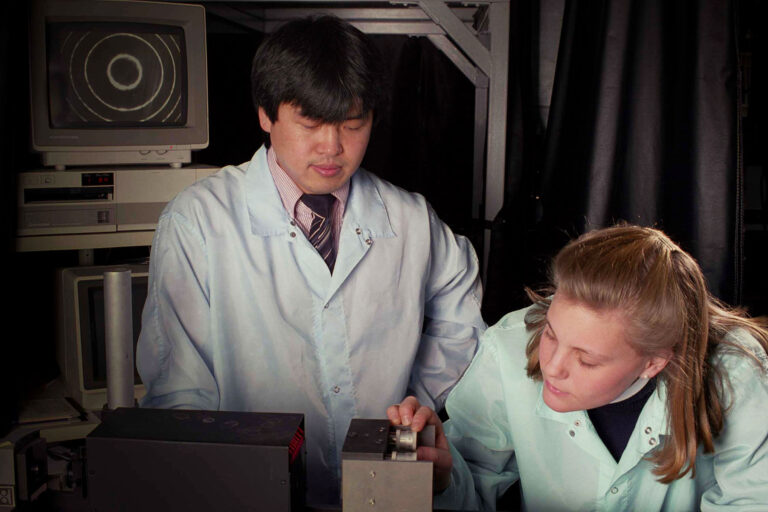
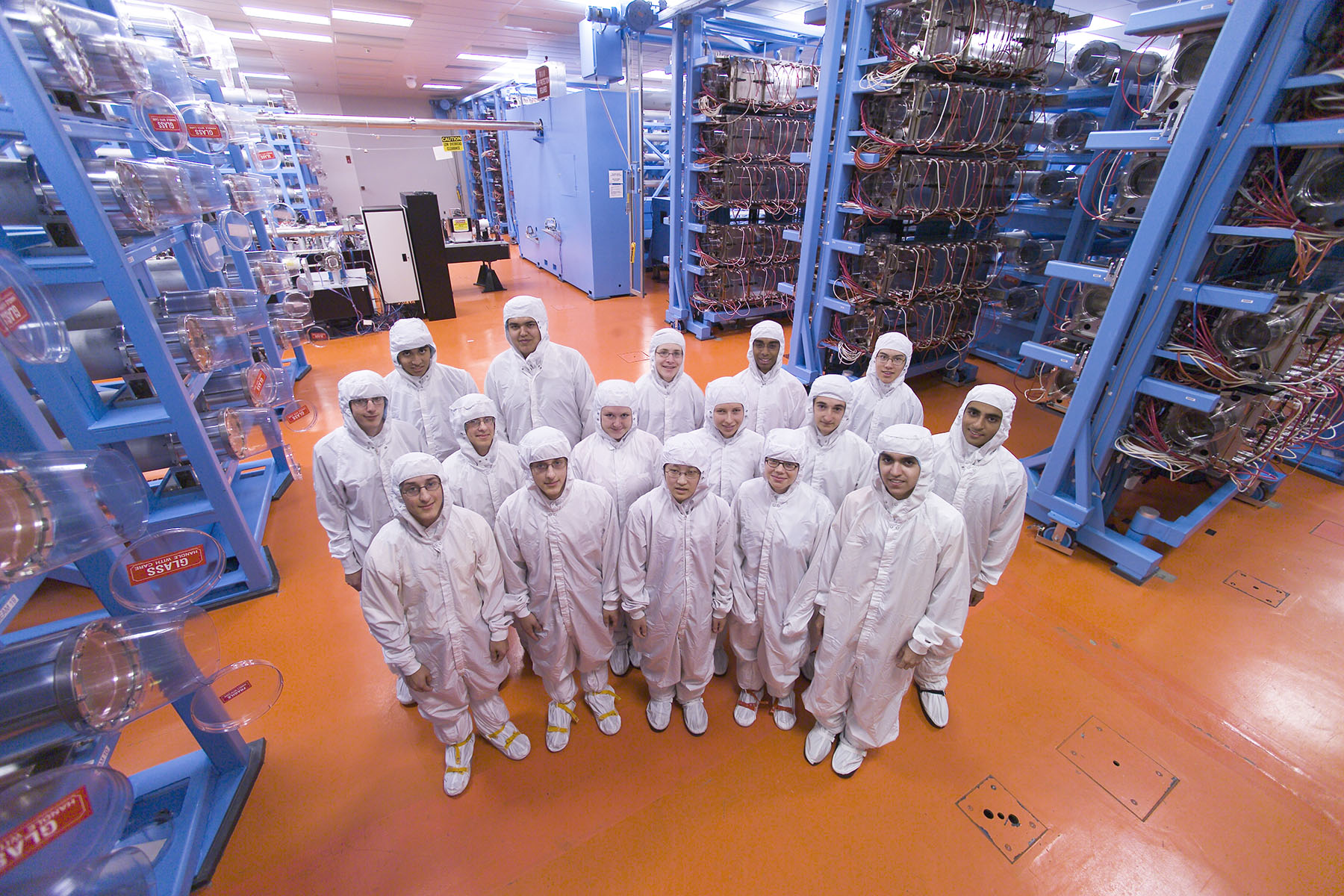
In July 1989, LLE held its first Summer High School Student Program. The program challenges high school students to explore research topics and careers under the tutelage of LLE scientists, engineers, and staff in a state-of-the-art environment. The students spend eight weeks working full time on projects supervised by LLE staff.
Several students have been included as authors of LLE publications and conference presentations, and some have been selected as semi-finalists and finalists for the USA Physics and Chemistry Olympiad teams and the prestigious Intel Science Talent Search. Many of the students go on to major in science at nationally recognized universities, and some have gone on to earn their PhD’s and MD’s.
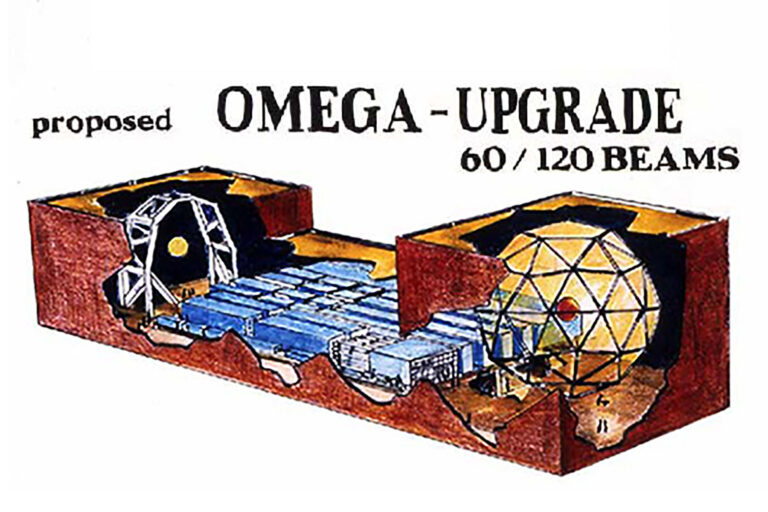
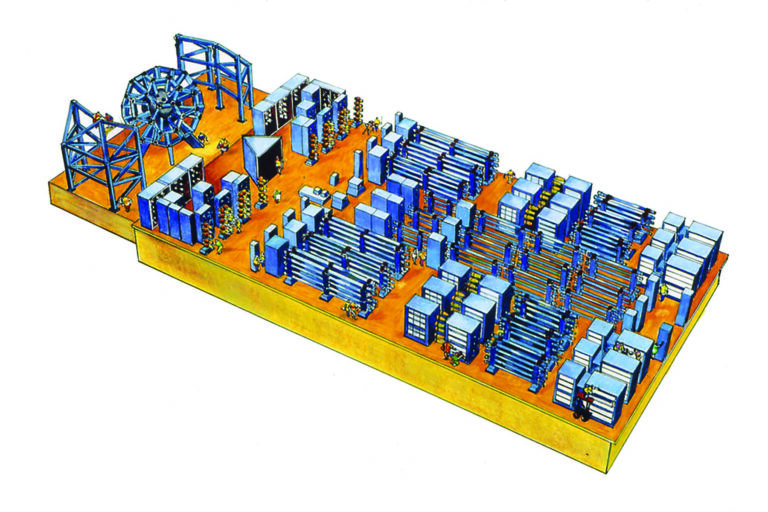
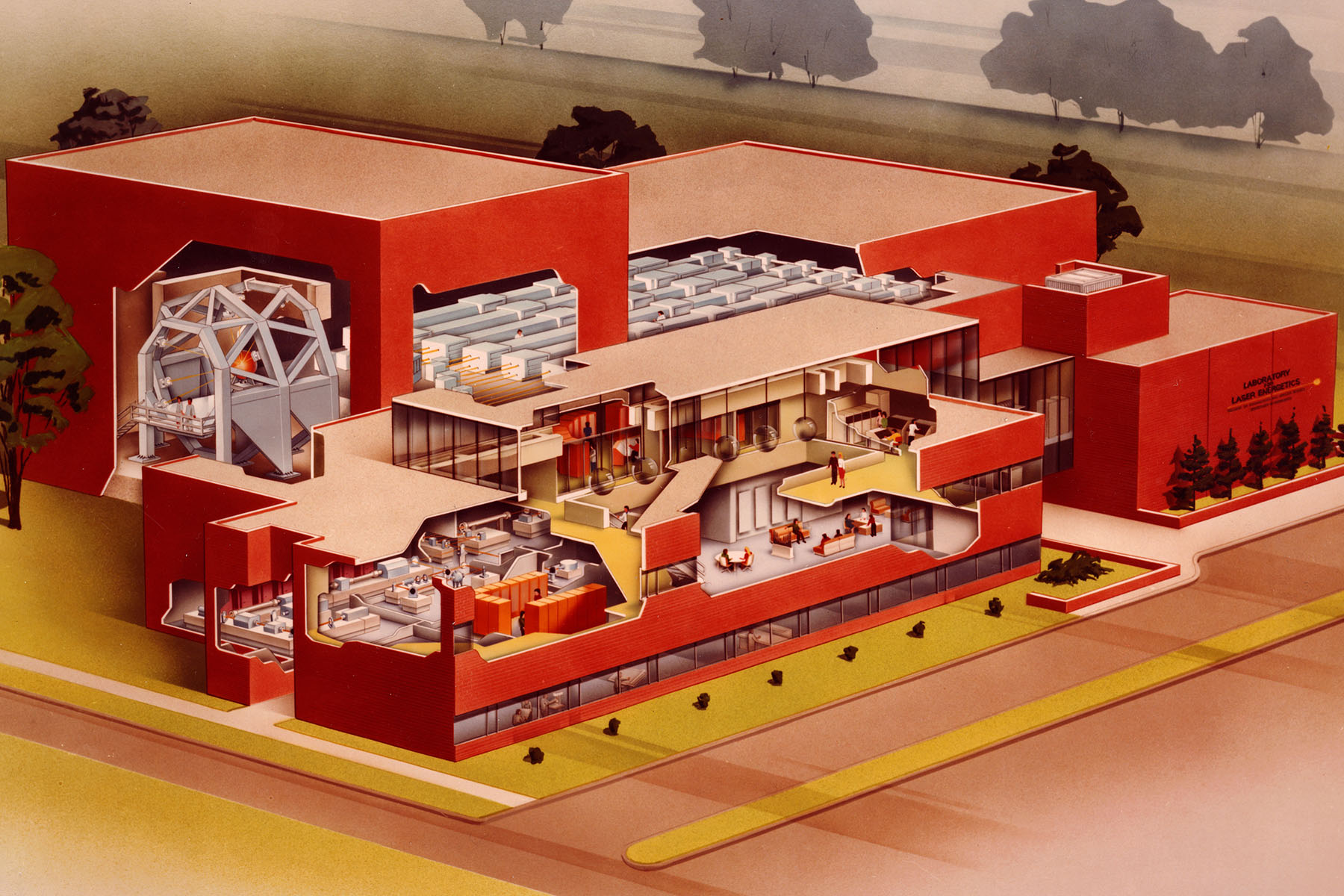
OMEGA Upgrade Preliminary Design
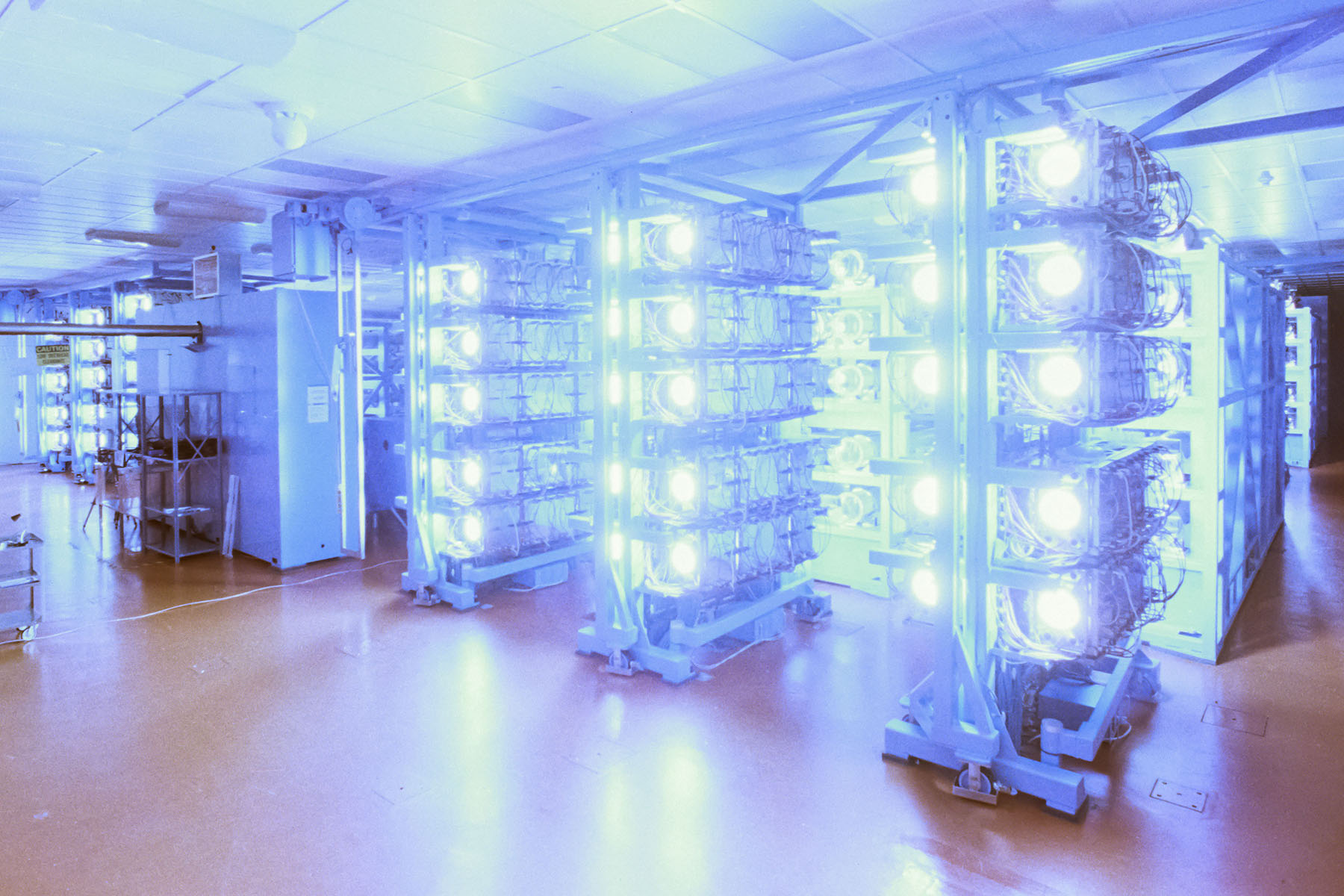
The preliminary design of the OMEGA system upgrade was completed in October 1989.