Timeline
1977
Glass Development Laser
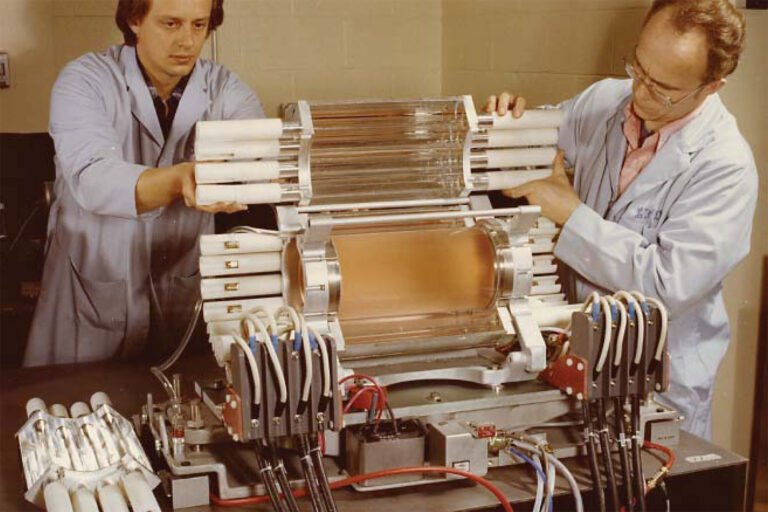
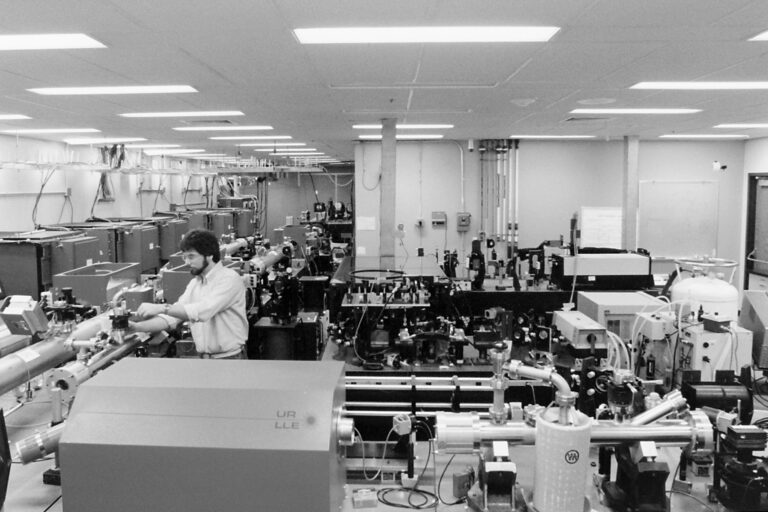
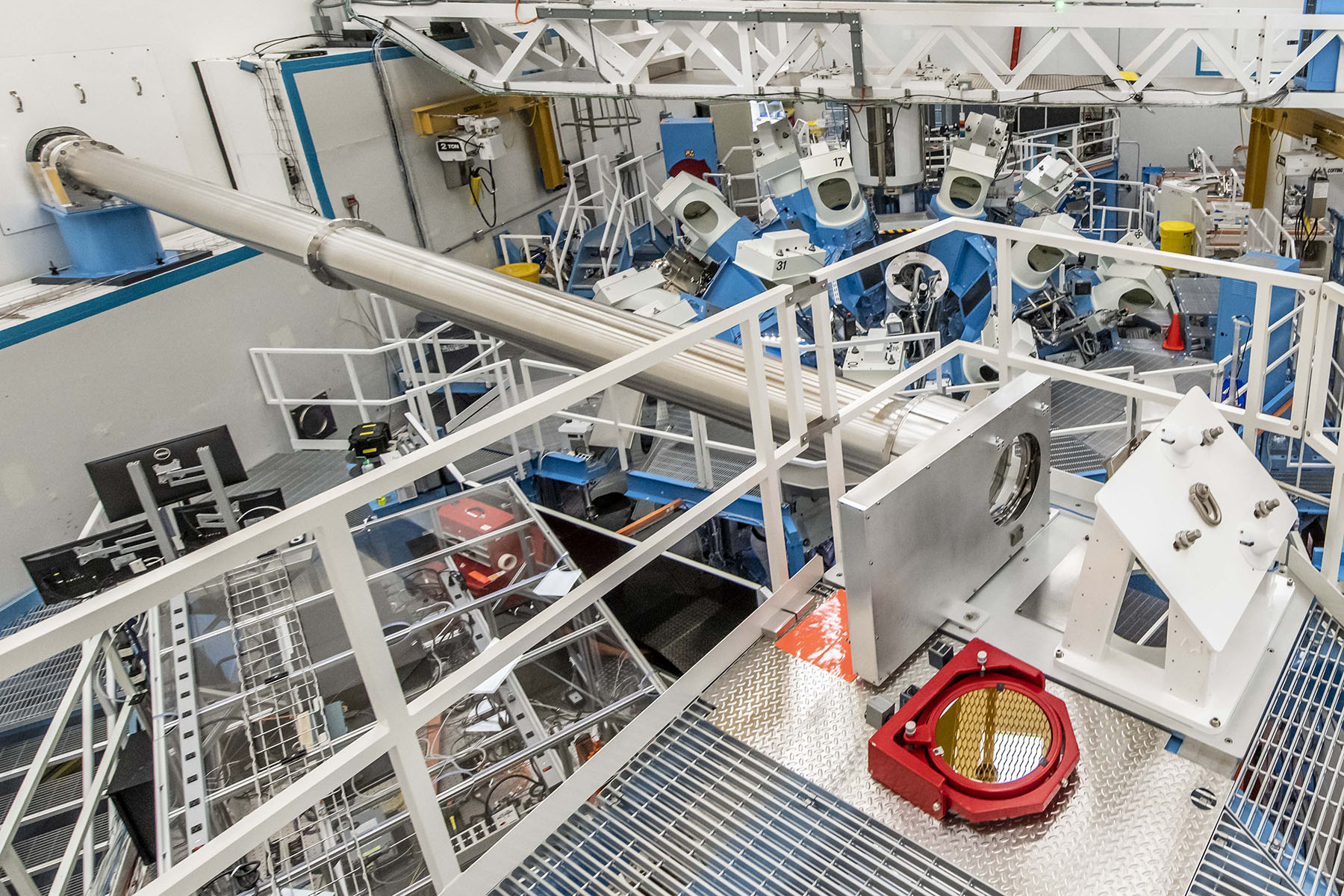
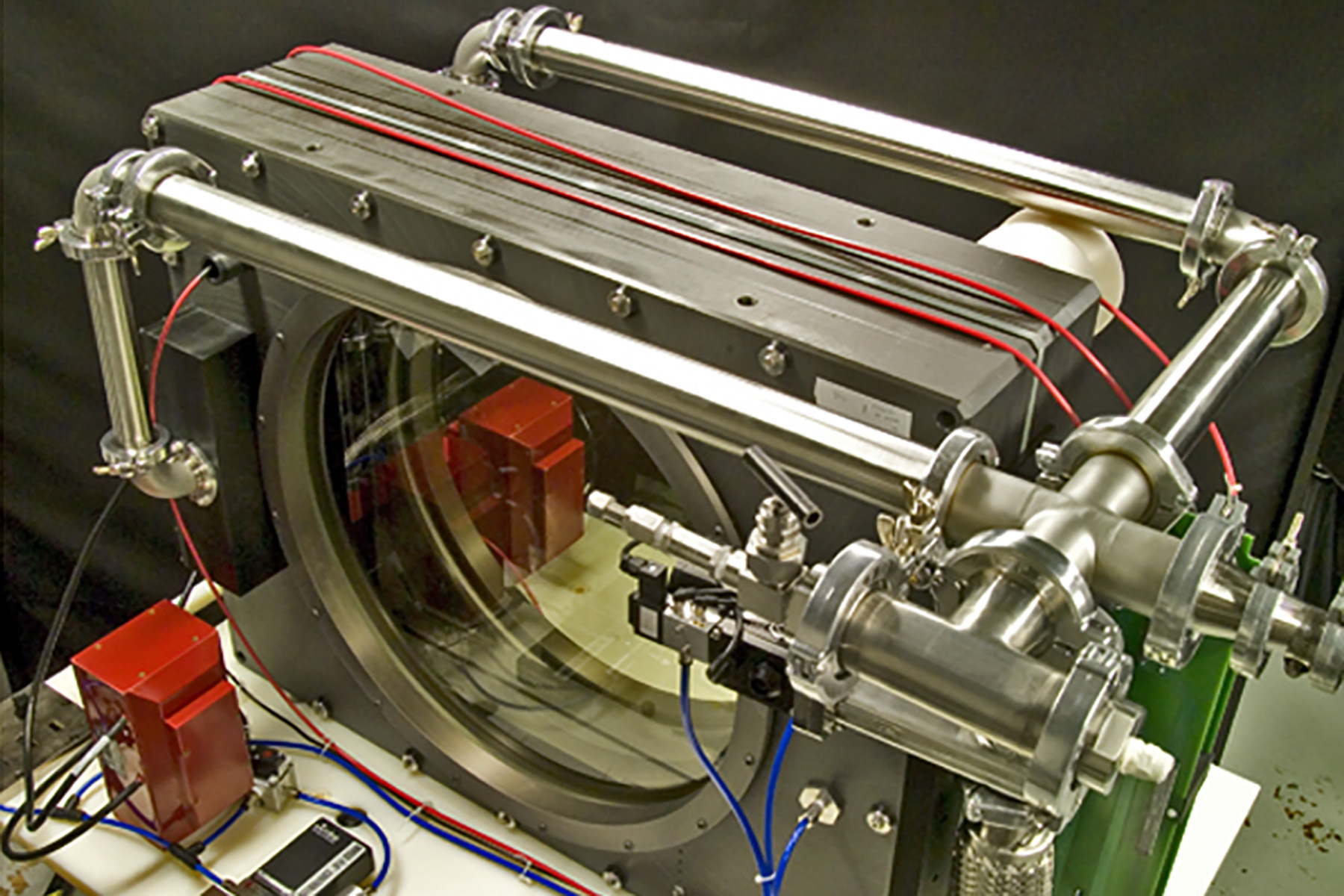
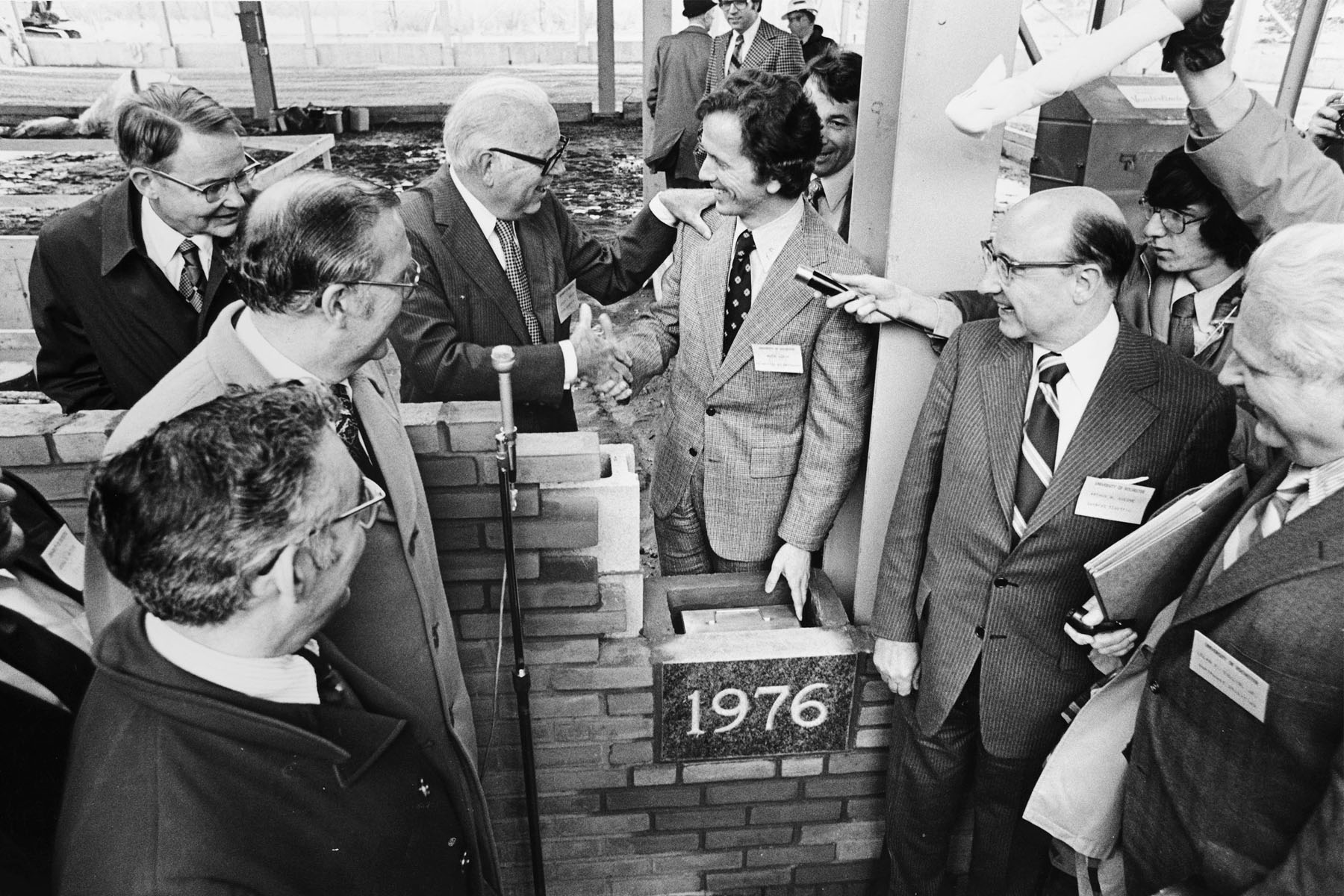
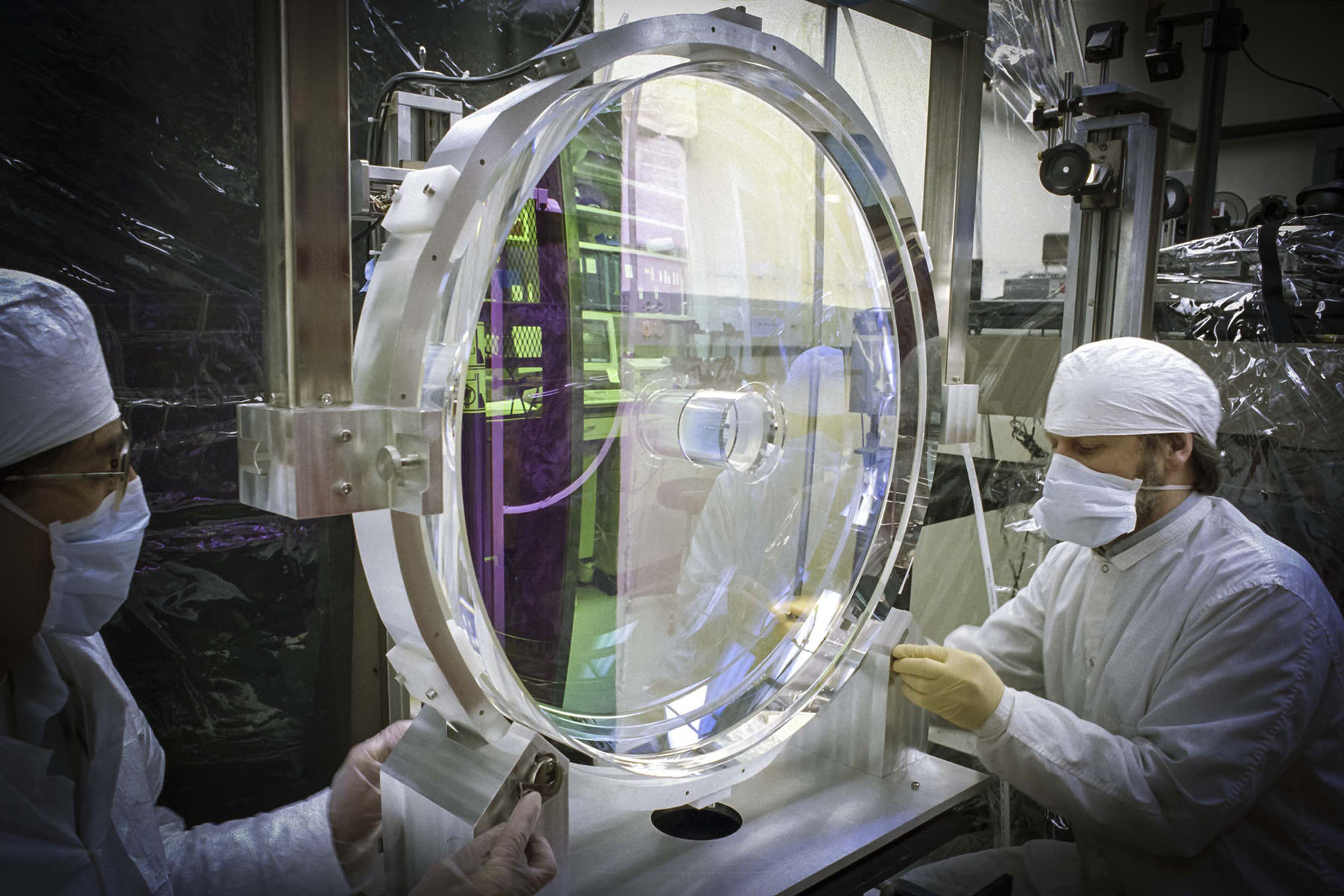
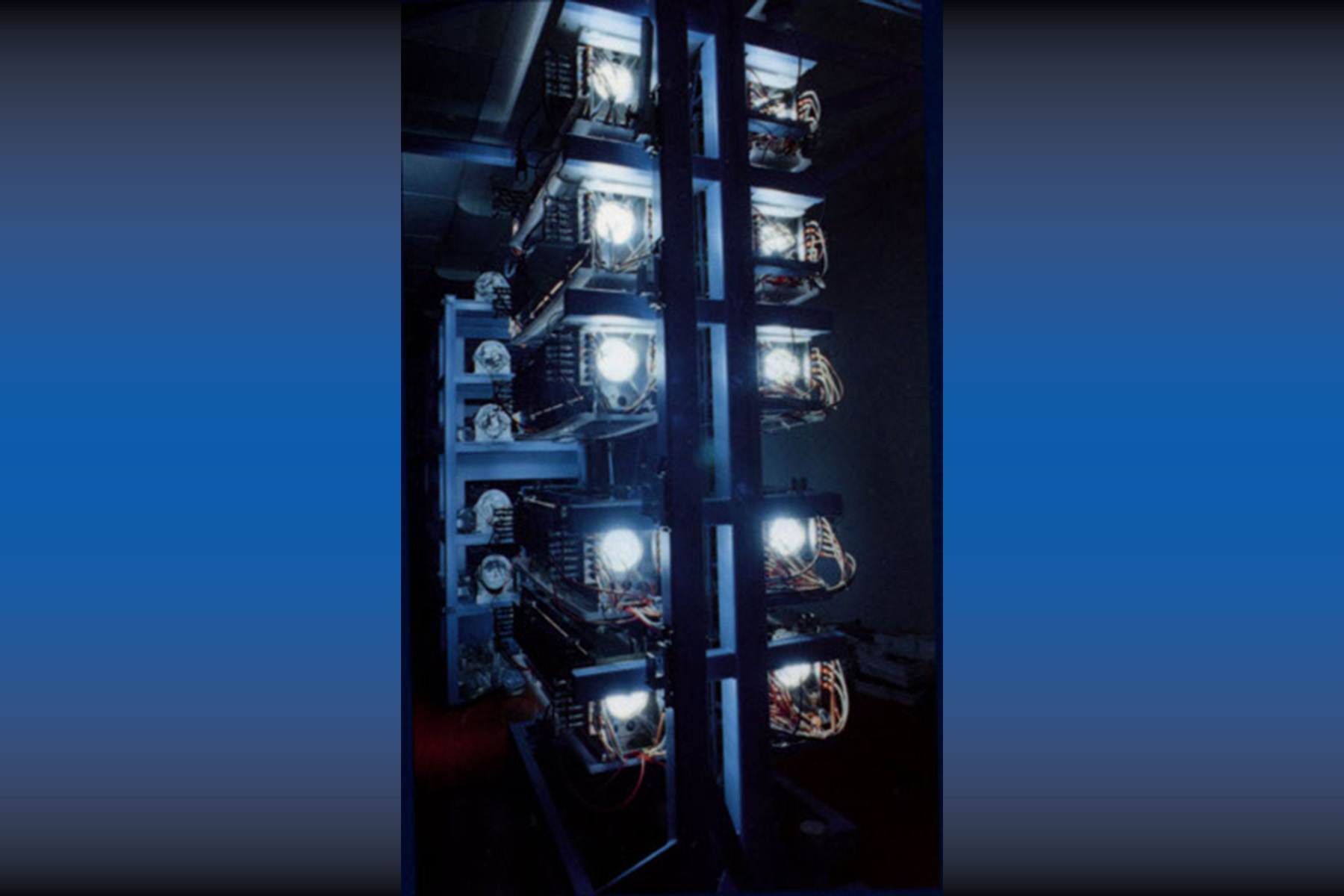
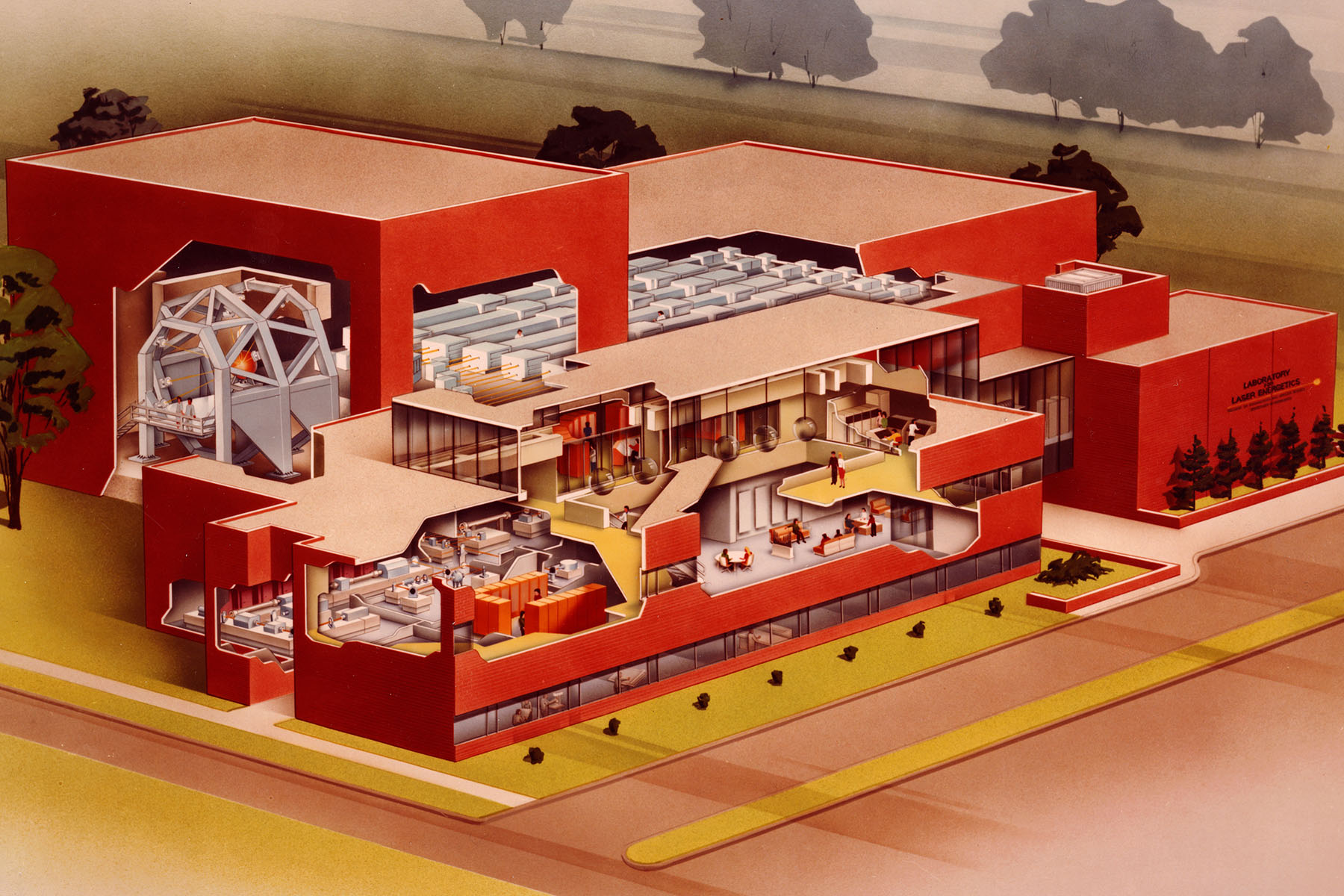
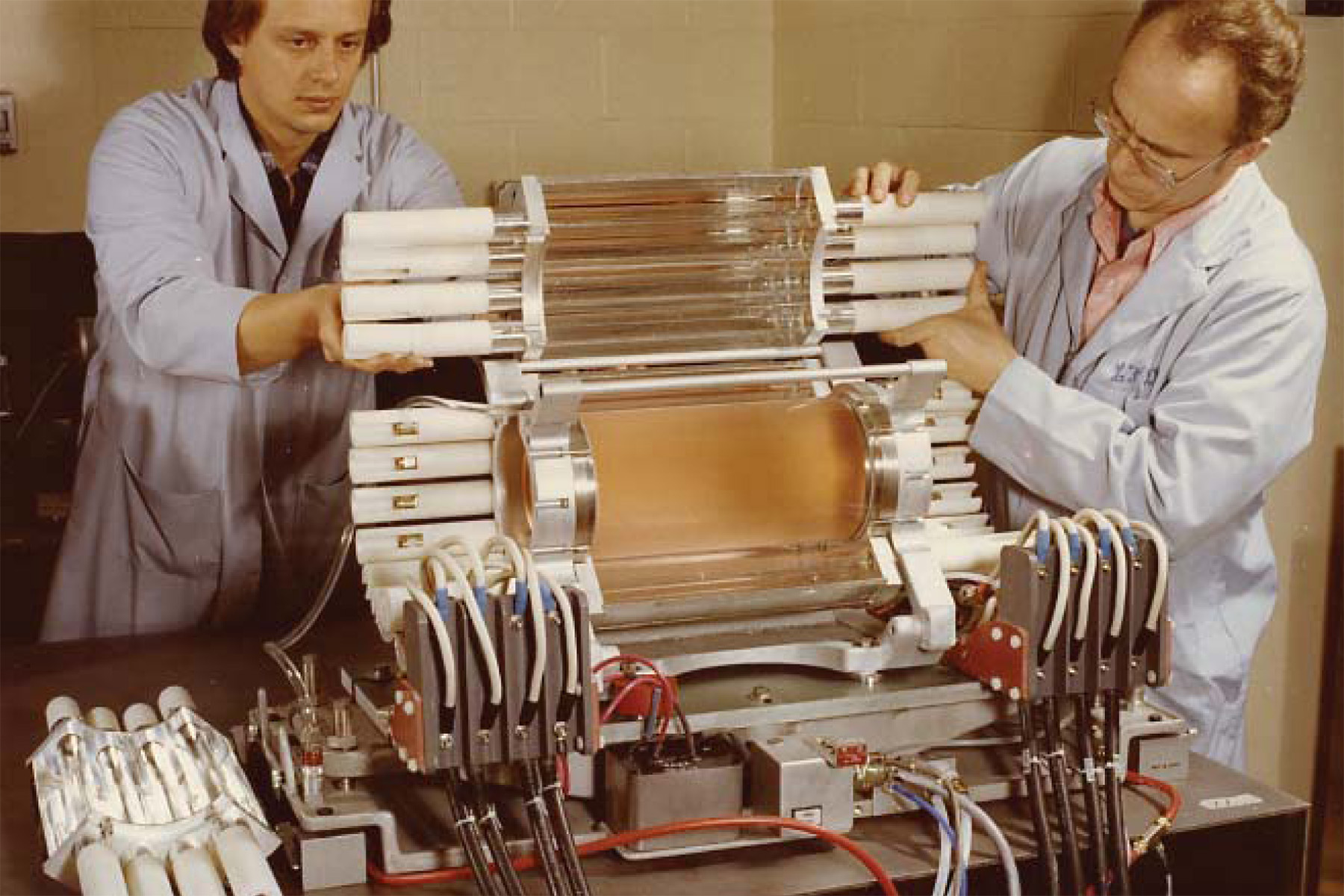
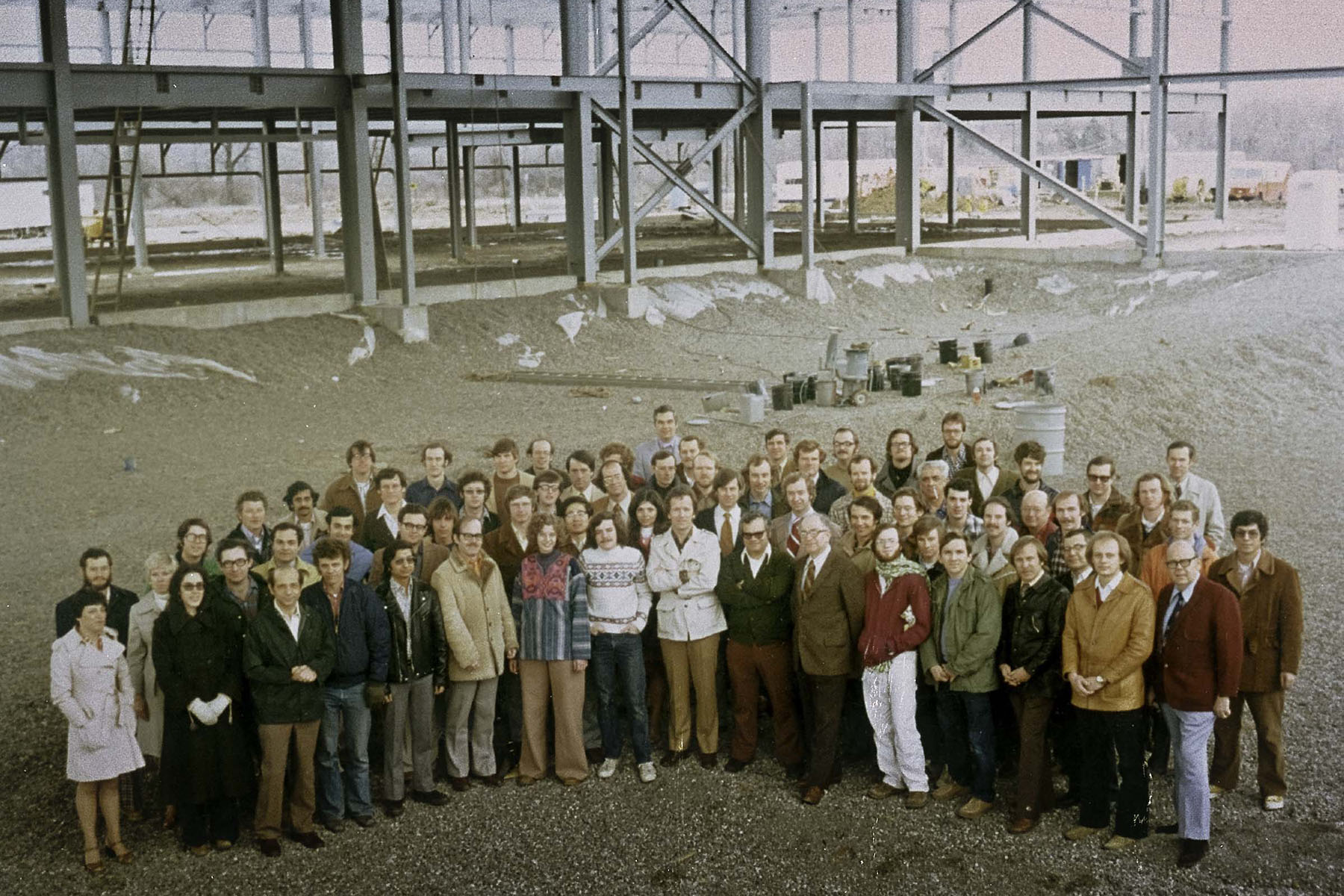
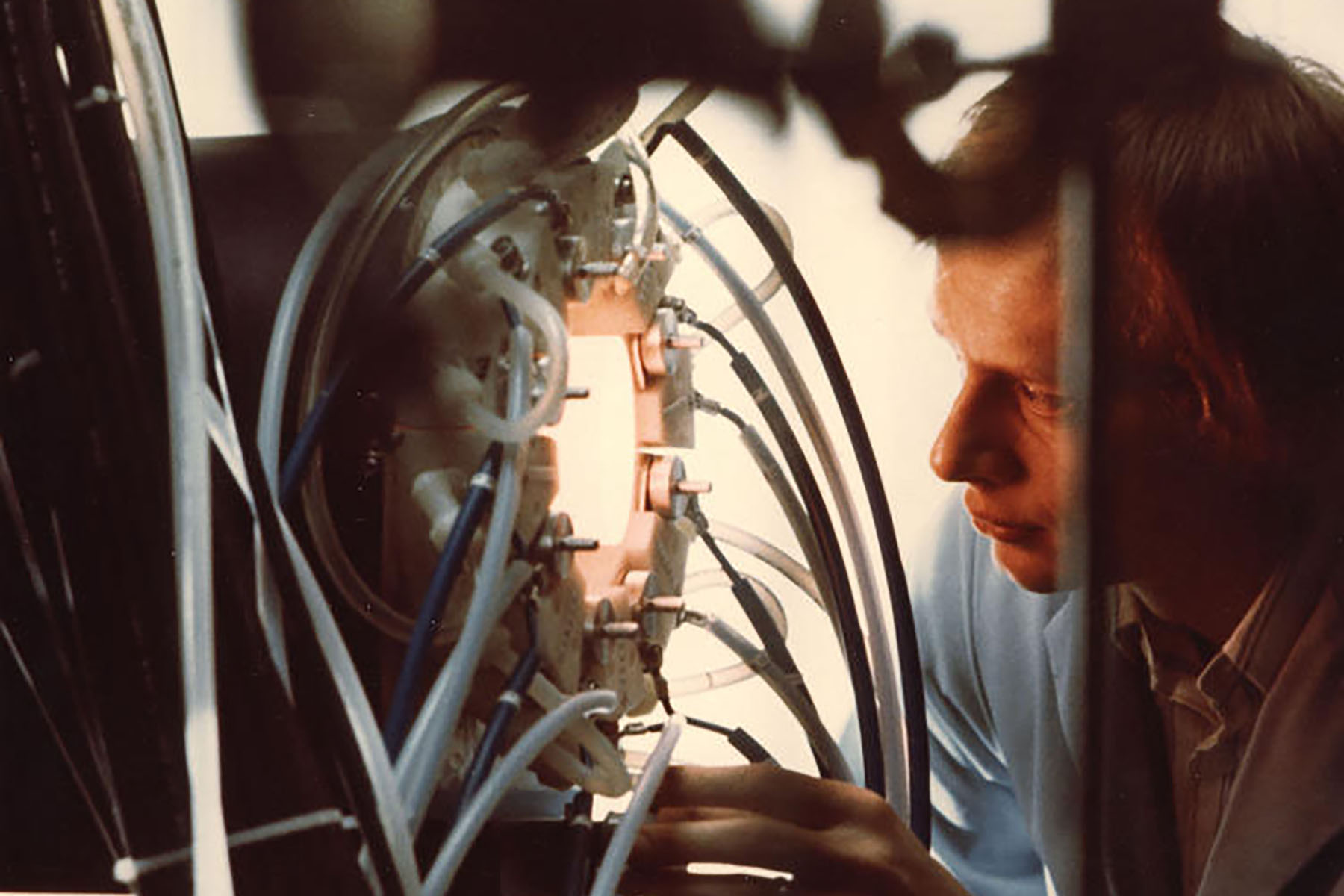
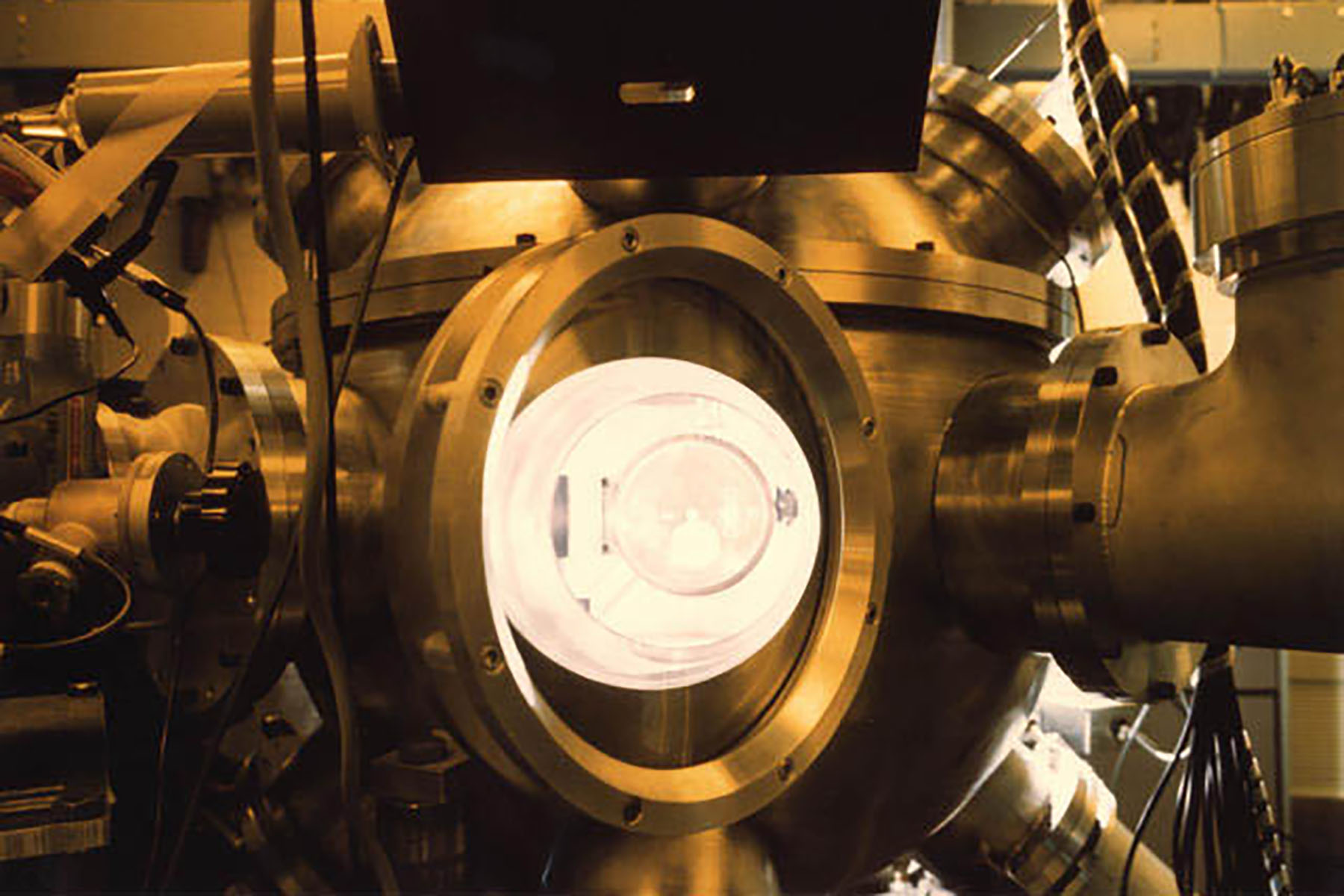
To verify the ability of the original 24-beam OMEGA laser to reach its specified performance level, a one-beam prototype system, GDL (glass development laser), was built in the “new” LLE building in 1977. By November 8, 1977, GDL was producing peak power levels in excess of 0.5 TW per beam in short pulses. GDL continued to operate for a variety of experiments including the first demonstration of high-efficiency frequency tripling, the first comprehensive series of 0.35-μm laser–matter interaction experiments, and the first series of NLUF experiments.
Direct Compression Measurement of Imploded Targets
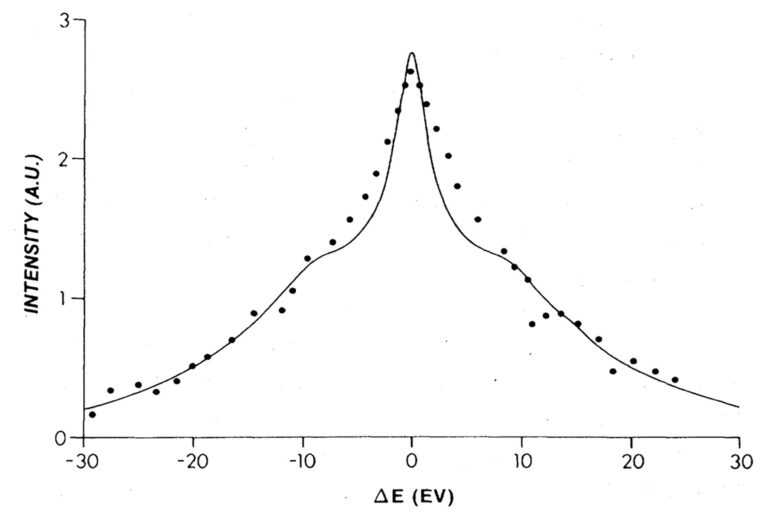
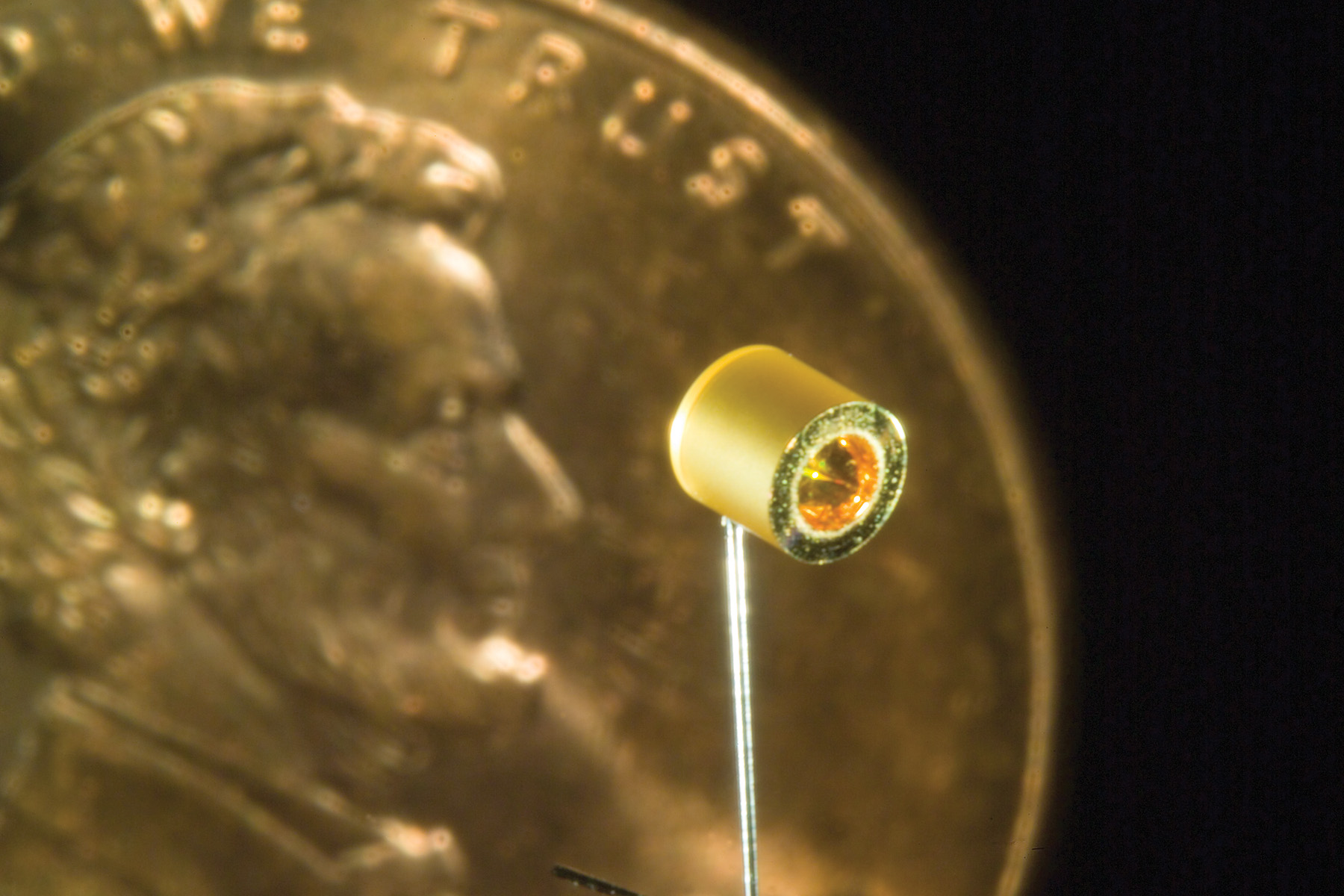
The first direct measurement of compressed fuel density in a laser-imploded target using x-ray spectroscopy is reported in a Physical Review Letters article by LLE scientist B. Yaakobi et al.
B. Yaakobi, D. Steel, E. Thorsos, A. Hauer, and B. Perry, “Direct Measurement of Compression of Laser-Imploded Targets Using X-Ray Spectroscopy,” Phys. Rev. Lett. 39 (24), 1526–1529 (1977).
Laser-Driven Compression Efficiency and Wavelength
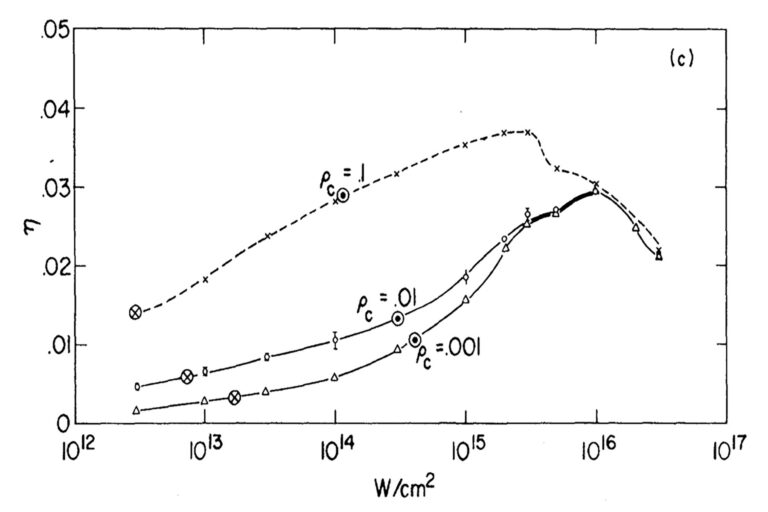
On March 7, 1977, Physical Review Letters published a paper by R. L. McCrory of the Laboratory for Laser Energetics and R. L. Morse of the University of Arizona showing that the efficiency with which absorbed laser energy causes a given spherical implosion increases by a factor of 3 to 5 if the laser wavelength is decreased from the infrared wavelengths to the blue or near-ultraviolet. This finding was key in the thrust to develop high-efficiency frequency conversion for high-power Nd:glass fusion lasers.
R. L. McCrory and R. L. Morse, “Dependence of Laser-Driven Compression Efficiency on Wavelength,” Phys. Rev. Lett. 38 (10), 544–547 (1977).